6 Tips for Climbing Mount Kilimanjaro
6 Tips for Climbing Mount Kilimanjaro, a colossal dormant volcano, Mount Kilimanjaro, is located in northern Tanzania. Kilimanjaro, at an elevation of 5,895 meters (19,341 feet) above sea level, is undoubtedly a coveted hiking destination for many. Many individuals visit this location to assess their climbing skills and embark on their quest to conquer the Seven Summits. We have directed countless of trekkers up this intriguing peak. We have gained insights from both the successes and mistakes of our clients. Here are our recommendations for successfully hiking Mt. Kilimanjaro.
 Practice, practice, practice.
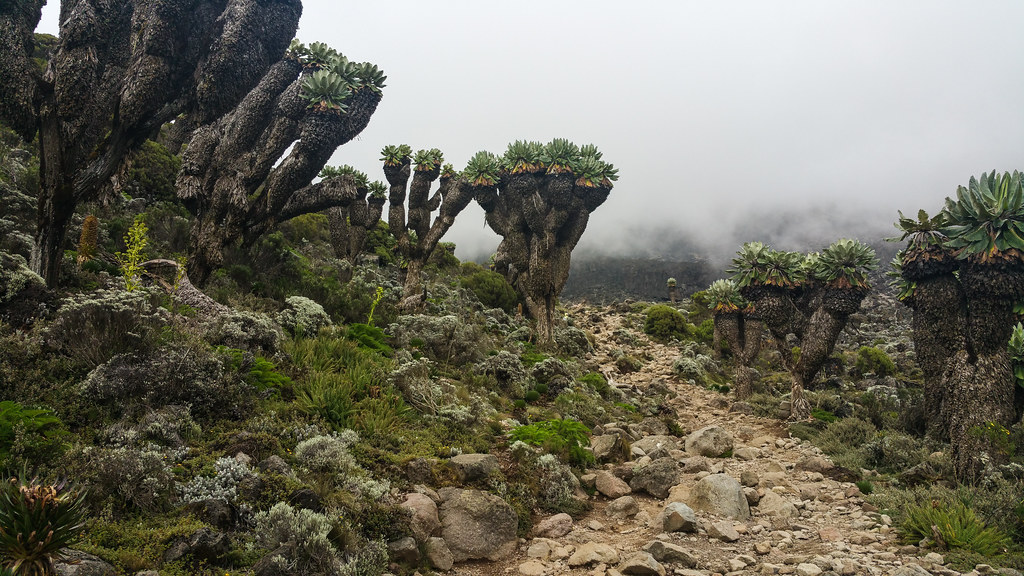
This is more common. “Kilimanjaro does not require technical climbing skills.” Kilimanjaro is an accessible ascent. No technical climbing expertise necessary. Only endurance will propel you to the summit. Nonetheless, it is a considerable challenge, and the primary cause for many individuals’ failure is insufficient training. It is essential to clarify that one does not need to be an athlete to prepare for the hike.
Commence with light weights, engage in running, and participate in additional exercises to strengthen your leg muscles. Frequent gym attendance indicates you are progressing appropriately. Simply incorporate more activities into your standard regimen. However, if you are unable to frequent the gym, there is no need for concern. To clarify, individuals in their 80s have successfully ascended this remarkable peak.
 Select the most effective route.
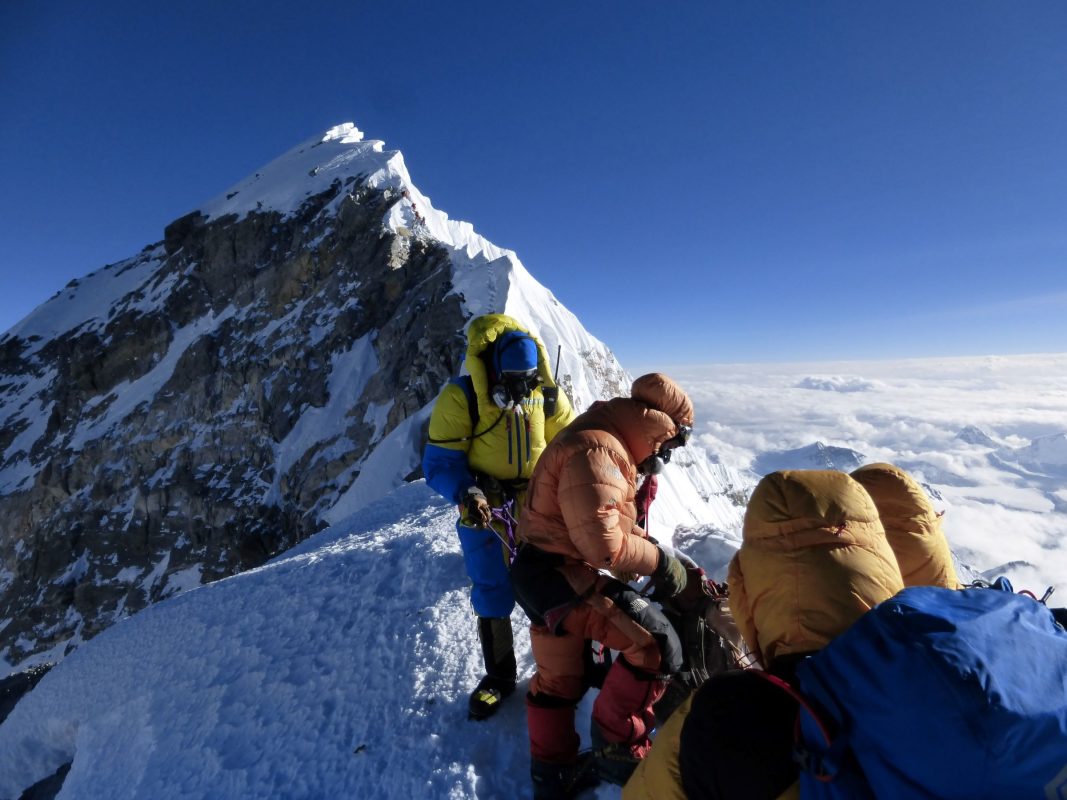
Occasionally, the significance lies not in one’s fitness level, but in the selected trail. Kilimanjaro features seven trekking routes, each distinguished by its specific gradient, length, and vistas. The selection of the route frequently relies on your fitness level, the duration of your stay on the mountain, and the scenic perspectives. If it is your inaugural ascent of Kilimanjaro, select Marangu, Machame, Lemosho, or Rongai. The initial two are more favored. Anticipate hiking alongside fellow enthusiasts. The final two are isolated and more picturesque.
For experienced hikers, the Northern Circuit, Shira, and Umbwe routes are optimal. The initial path is the longest to yet, whilst the final one is the shortest. The Northern Circuit surpasses all other routes in summit success due to hikers’ extended duration on the mountain. For expert climbers, the Umbwe route is ideal because to its brevity and directness, challenging one’s hiking abilities.
Incorporate an additional day for acclimatization.
The typical ascent of Kilimanjaro often requires five days. However, that is not consistently effective. What is the reason for this? The Marangu route permits a 5-day ascent. It does not invariably encompass an additional day for acclimatization. Consequently, climbers succumb to altitude sickness.
To mitigate this, prolong your ascent by a minimum of one day: specifically, allocate an additional day prior to the summit attempt. This alters your body’s circadian cycles. You manage the oxygen supply at such altitudes alongside atmospheric pressure.
Select seasoned tour operators.
Experience is significant. It is important to note that you are embarking on a hike, not a safari, which is typically conducted by a driver. Your operator need to be thoroughly familiar with the uphill path. They should employ qualified mountain guides who possess comprehensive knowledge of climbing, including packing lists and the specific obstacles that deplete the majority of climbers. With the assistance of this specialist, your ascent will proceed efficiently and seamlessly.
Therefore, when preparing for a Kilimanjaro ascent, conduct thorough research. Commence by examining evaluations on esteemed platforms such as TripAdvisor and Safari Bookings to ascertain the opinions of previous hikers. Subsequently, seek out professional affiliations. What is the reason? Reliable operators are affiliated with organizations, like the Tanzania Porters Organization (TPO) and the Kilimanjaro Guides Association (KGA). Furthermore, verify if the company is duly registered to conduct operations.
Mount Kilimanjaro National Park possesses the necessary memberships and registrations. We do not merely affiliate with associations. We prioritize our employees by offering competitive remuneration and maintaining a secure working environment.
Schedule your hike at an appropriate time.
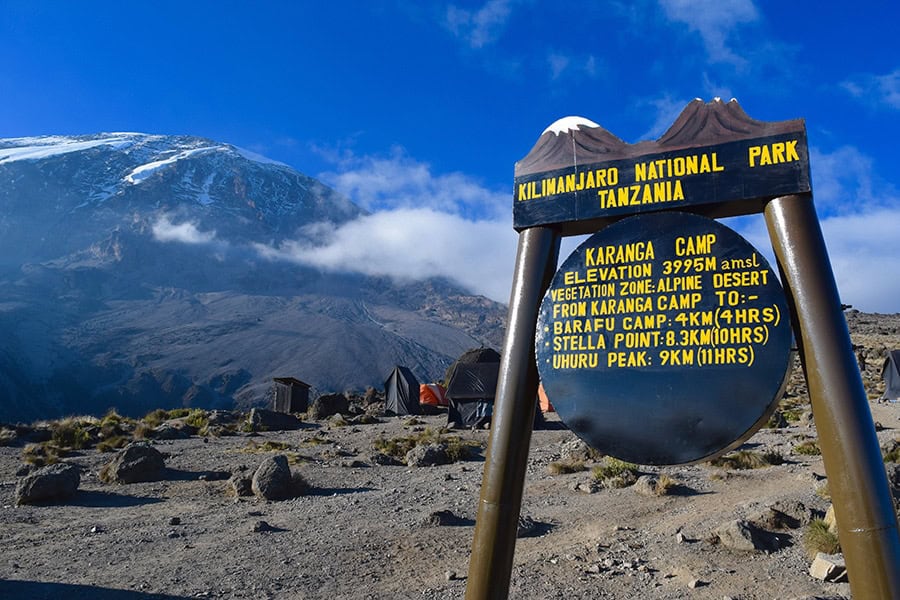
Selecting the appropriate moment is essential to provide an excellent climbing experience. Selecting an inappropriate moment places you one step closer to failure. Schedule your ascent from June to October and January to February when circumstances are optimal for hiking: clear skies and arid routes.
Congregations are prevalent during the peak months of the arid season: July and August. Trekking on Kilimanjaro from January to February allows for the avoidance of crowds. For safety, refrain from visiting during the wet months of November, April, and May unless you are amenable to inclement weather. We recommend that travelers during these months utilize the Rongai route. This path is located in the northern region of Kilimanjaro, an area that has reduced precipitation.
Drink plenty of water.
This is a minor action, yet it has the potential to transform the entire situation. Science corroborates this assertion. What is the significance of this? We elucidate all aspects. Initially, as you ascend, the air becomes drier and less dense, resulting in rapid moisture loss through respiration. Secondly, hydration mitigates the danger of headaches, exhaustion, and nausea, hence decreasing the probability of altitude sickness. Ultimately, water enhances your energy levels and cognitive function.