Kilimanjaro Packing List (Complete & Detailed Guide)
Kilimanjaro Packing List: Climbing Mount Kilimanjaro, Africa’s highest mountain at 5,895 meters (19,341 ft), requires careful preparation. Packing the right gear is essential for safety, comfort, and success. Weather conditions on Kilimanjaro range from tropical heat to arctic cold, all within a few days.
Trekking Kilimanjaro encompasses five primary climatic zones, ranging from the warm, humid forest and lower slopes to the frigid summit zone, characterized by glaciers, ice, and snow. One must be equipped for all weather conditions on Kilimanjaro: sunny, windy, and rainy.
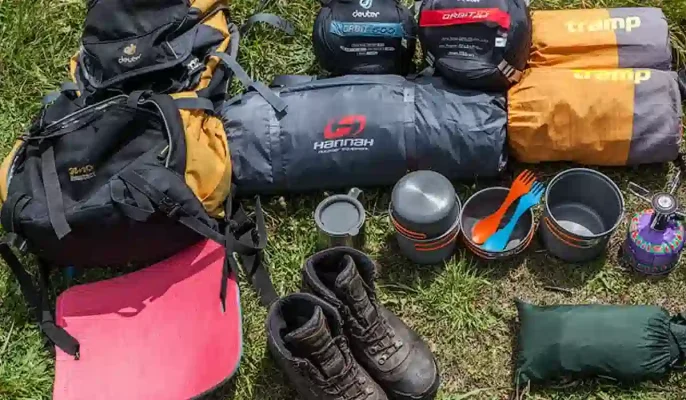
We supply tents, camping equipment, food, cooking amenities, and additional communal stuff. You will possess a duffel bag containing all your equipment, transported by the porters, while you will carry your own daypack throughout the trekking day.
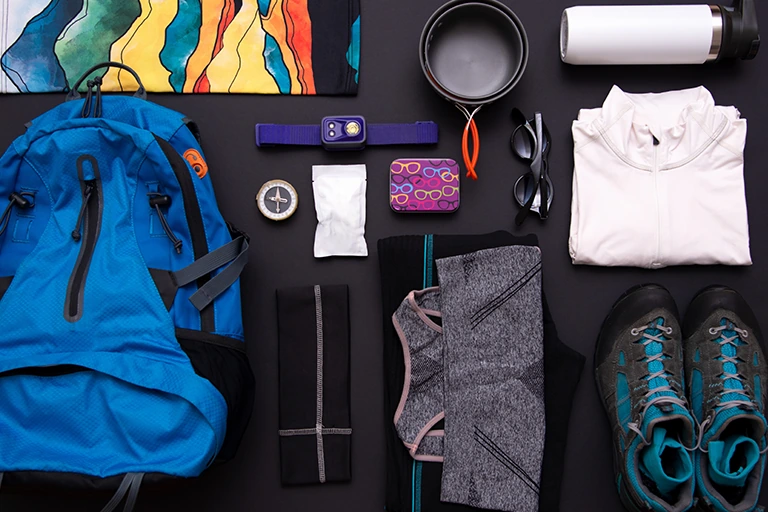
This ultimate Kilimanjaro packing list covers everything you need for a successful summit attempt.
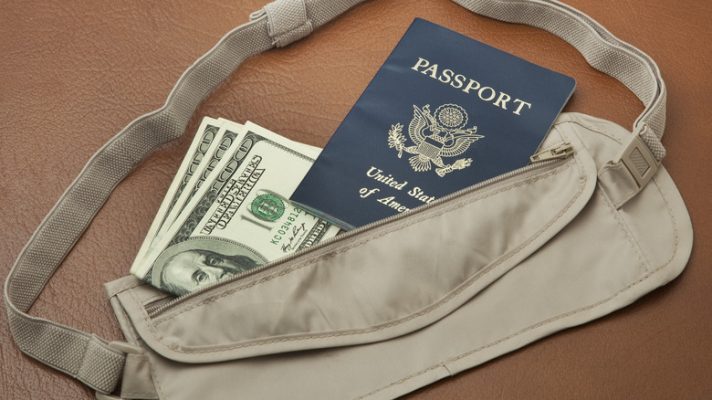
Essential Documents & Money
- Passport (valid for at least 6 months)
- Tanzania visa (online or on arrival)
- Yellow fever certificate (if required)
- Travel insurance (must cover high-altitude trekking & evacuation)
- Flight tickets
- Copies of passport and insurance (paper + digital)
- Cash (USD preferred for tips)
- Credit/debit cards
- Vaccination records
Clothing: Layering System (Critical)
Base Layers (Moisture-Wicking)
- 2–3 thermal tops (merino wool or synthetic)
- 2 thermal bottoms
- Moisture-wicking underwear
- Sports bras (for women)
Mid Layers (Insulation)
- Fleece jacket or softshell
- Insulated jacket (synthetic or light down)
Outer Layers (Weather Protection)
- Waterproof & windproof jacket (Gore-Tex recommended)
- Waterproof trousers
- Down jacket (heavy, summit-rated)
Trekking Pants & Shirts
- 2–3 trekking pants
- 2–3 long-sleeve trekking shirts
- 1–2 short-sleeve shirts
Summit Night Clothing
- Heavy down jacket
- Thermal base layers
- Insulated pants (optional but recommended)
Footwear & Gaiters
- Waterproof hiking boots (broken-in)
- Camp shoes or sandals
- 3–5 pairs of hiking socks (wool)
- Liner socks (optional)
- Gaiters (recommended for snow and scree)
Head, Hands & Accessories
- Warm beanie
- Sun hat or cap
- Neck gaiter or buff
- Insulated gloves (waterproof)
- Liner gloves
- UV-protection sunglasses
- Headlamp with extra batteries
Backpacks & Bags
-
Duffel bag (90–120L, waterproof or with rain cover)
-
Daypack (25–35L)
-
Pack rain cover
-
Stuff sacks or packing cubes
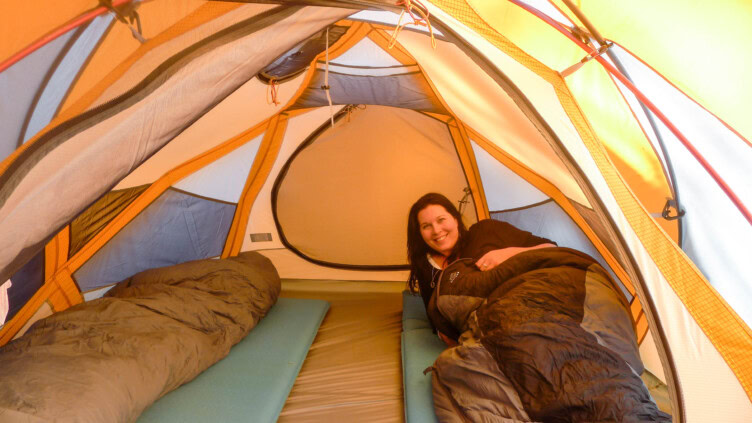
Sleeping Gear
- Sleeping bag (-10°C to -20°C rating)
- Sleeping bag liner
- Inflatable or foam sleeping pad (if not provided)
Trekking & Technical Gear
- Trekking poles
- Water bottles (2–3 liters total capacity)
- Hydration bladder (insulated tube recommended)
- Thermos flask (for summit night)
- Microspikes (optional, route & season dependent)
Toiletries & Personal Items
- Toothbrush & toothpaste
- Biodegradable soap
- Wet wipes
- Hand sanitizer
- Toilet paper
- Sunscreen (SPF 30+)
- Lip balm with SPF
- Quick-dry towel
- Small mirror
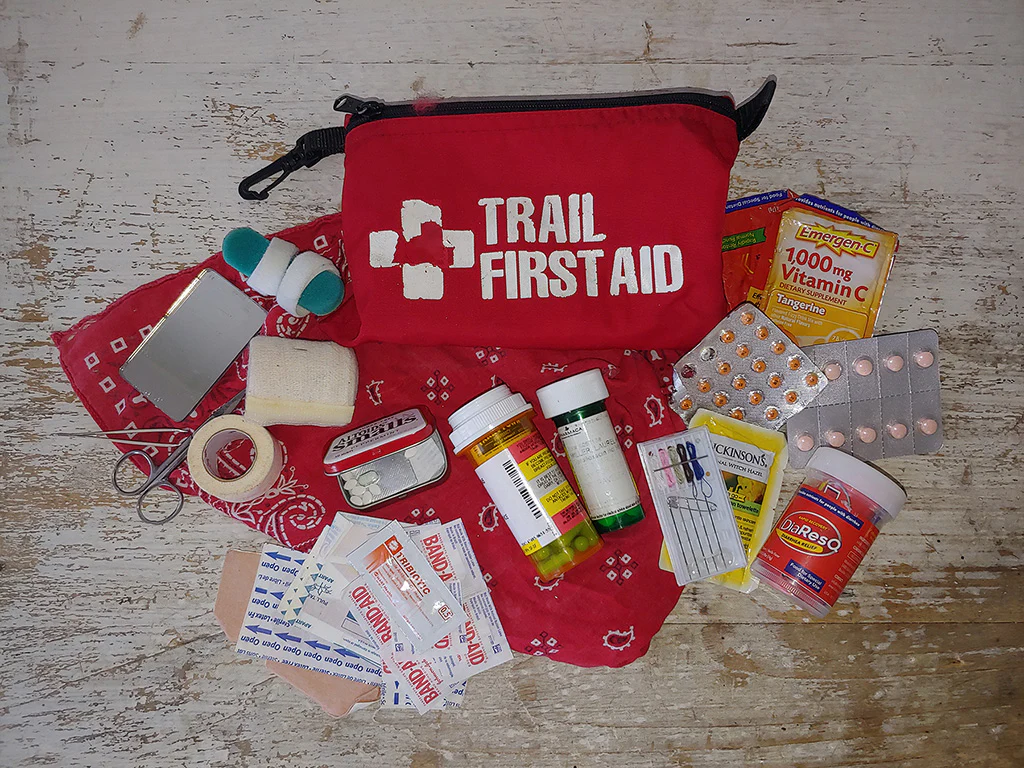
First Aid & Medications
- Personal prescription medication
- Diamox (Acetazolamide)
- Painkillers (ibuprofen/paracetamol)
- Blister treatment (Compeed, moleskin)
- Band-aids & antiseptic
- Electrolyte tablets
- Anti-diarrheal medication
- Altitude sickness medication
Snacks & Nutrition
- Energy bars
- Trail mix
- Electrolyte powders
- Energy gels
- Protein snacks
- Comfort food from home
Electronics & Extras
- Phone
- Camera
- Power bank (solar optional)
- Charging cables
- Plug adapter (Type D & G for Tanzania)
- GPS watch (optional)
- Notebook & pen
Optional but Helpful Items
- Earplugs
- Eye mask
- Lightweight book or Kindle
- Inflatable pillow
- Pee bottle (especially for women)
- Trekking towel
- Small lock for duffel bag
What NOT to Pack
- Jeans
- Cotton clothing
- Heavy hard-shell suitcases
- Excess valuables
- Drones (require special permits)
Kilimanjaro Packing Tips
- Layering is more important than heavy clothing
- Break in boots at least 2–3 months before the climb
- Keep essentials in your daypack
- Pack light—porter weight limit is usually 15 kg (33 lbs)
Mount Kilimanjaro, situated in Tanzania, East Africa, is the tallest mountain on the continent, reaching an elevation of 19,341 feet (5,895 meters). It is the world’s largest free-standing mountain and one of the seven peaks.
The snow-capped summit rises over the adjacent savannas and is situated within Kilimanjaro National Park, which hosts a diverse array of distinctive flora and animals. Although it is a dormant volcano, it remains a significant source of inspiration for climbers and outdoor enthusiasts around.
Additional details regarding Kilimanjaro
Who is Capable of Climbing Kilimanjaro? People ranging from children aged 10 to elderly adults in their 60s and 70s. What is required is determination and the resolve to reach the summit. The primary problem in ascending Kilimanjaro is the elevation and the speed of ascent. Rest assured, we will accompany you at every stage of the process.
With over 16 years of guiding experience and established in 2009, Climbing Kilimanjaro is a premier travel operator specializing in high-quality Mount Kilimanjaro treks, guided ascents, and Tanzania safaris. Our Certified Wilderness guides are among the most seasoned and proficient on the mountain, a crucial element contributing to our outstanding summit success rate. Through skilled pre-climb preparation and cutting-edge safety practices, along with tailored service on every route, we guarantee that each climber attains the peak safely and with confidence. Regardless of whether you select the Lemosho, Machame, Marangu, or Northern Circuit route, ascending Kilimanjaro ensures a genuine, secure, and indelible experience on Africa’s tallest summit.
Join the multitude of climbers who have reached the summit of Mount Kilimanjaro, guided by our expert trekking team. Ascend Kilimanjaro with the premier tour operator.
Kilimanjaro Climb Guide Company: As a leading operator of Kilimanjaro trekking excursions, we oversee all facets of your ascent personally, without outsourcing or functioning as a booking agent. Our crew of proficient mountain guides, porters, and support personnel possesses decades of collective experience on Africa’s highest summit. We provide individualized pre-climb preparation, thorough packing and fitness guidance, and real-time information on weather and terrain conditions to assure your readiness for every challenge. Our team accompanies you throughout your tour, from the initial briefing in Arusha to your airport transfer following the adventure of a lifetime.
Routes for Hiking Kilimanjaro
There are seven principal routes on Mount Kilimanjaro that ascend to Uhuru Peak, with one commencing on the northern flank and the remaining six originating from the southern side. The roads include Marangu, Machame, Lemosho, Shira, Rongai, Northern Circuit, and Umbwe.
Ascending Mount Kilimanjaro requires a duration of five to nine days to attain the summit and subsequently descend to the endpoint. Increased days on the mountain enhance the likelihood of a successful summit due to improved acclimatization to the altitude.
What is the Best time to ascend Mount Kilimanjaro?
The weather in mountainous regions can be erratic, and the optimal periods for a Kilimanjaro hike are the dry seasons: December to early March and June to October. We refrain from climbing during the peak of the rainy season due to safety concerns.
Final Thoughts
A well-prepared packing list dramatically increases your chances of summiting Mount Kilimanjaro safely and comfortably. Always confirm what gear is provided by your tour operator before packing.