
Money in Tanzania | Currency, Payments, ATMs & Travel Tips
This article serves as an introduction to Tanzanian currency for travelers. What is the currency, how can one acquire it, and what is the optimal method for carrying it? We examine Tanzanian banks and their ATMs to provide prompt and effortless access to cash.
Tanzanian currency
The Tanzanian shilling (TZS) serves as the national currency. It is relatively stable. Local money may only be imported by inhabitants of Tanzania, Kenya, and Uganda, and is prohibited from exportation. For the current exchange rates, see xe.com.
What is the preferred method of carrying currency in Tanzania?
The inquiry, therefore, is: in what manner should one transport currency in Tanzania? throughout other words, should you carry travelers’ checks, cash, or depend exclusively on your credit card to withdraw Tanzanian currency from ATMs throughout the country?
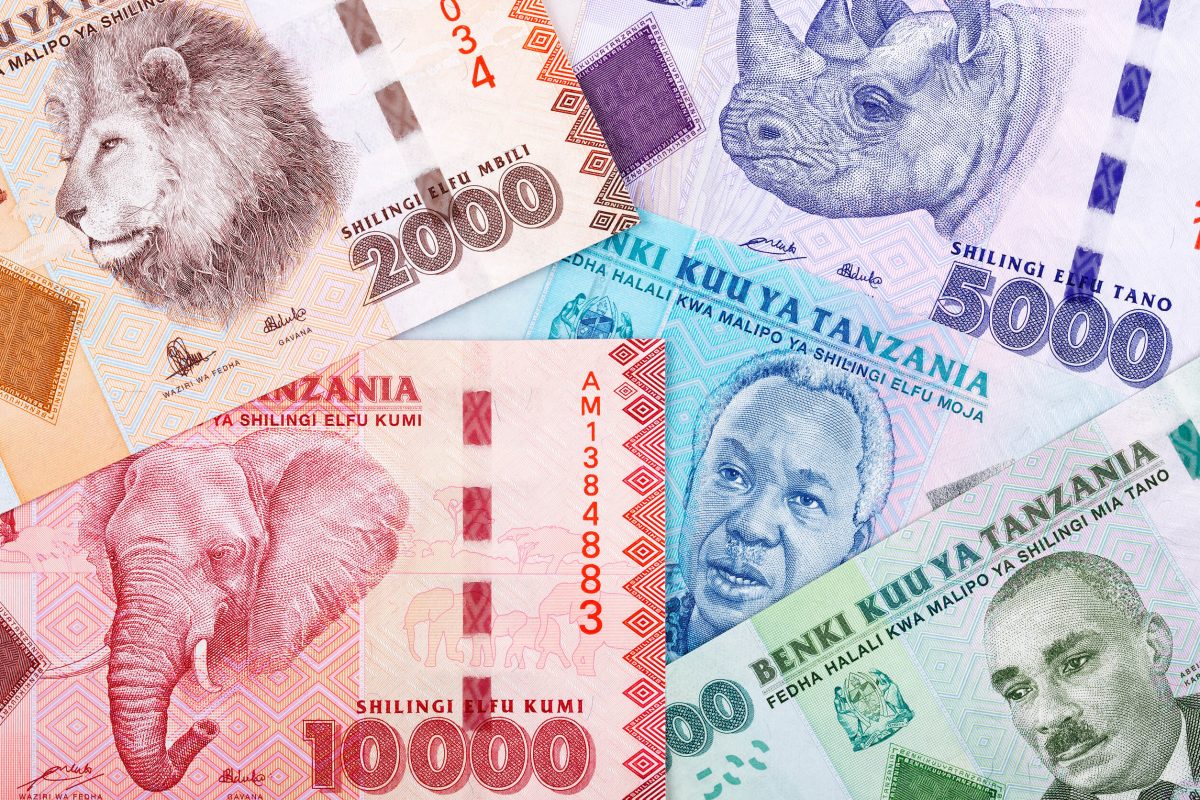 Travellers’ cheques in Tanzania
Travelers’ cheques are no longer accepted in Tanzania; thus, do not bring them.
Transporting currency to Tanzania
Foreign cash may be imported and exported to and from Tanzania without restriction. US dollars, and to a lesser degree, British pounds and euros, are the most advantageous currencies to carry. Cash is essential for instances when the Tanzanian shilling is not accepted, such as for payments of upscale hotel accommodations and airline tickets, which, officially, must be transacted in hard currency. The drawback of cash is that it represents the most perilous method of transporting funds.
Credit cards in Tanzania
An alternative is credit or debit cards, which are the most convenient, lightweight, and discreet to carry. Numerous banks in Tanzania currently own ATMs that accept foreign cards, hence facilitating the acquisition of Tanzanian shillings. Credit cards are increasingly accepted in prominent tourist hotels, restaurants, gift stores, and airline offices. Be advised that a standard fee of 5% applies for transactions made using debit or credit cards in Tanzania. Consequently, we advise withdrawing cash whenever possible. Visa is likely the more advantageous card, as it allows for withdrawals from a greater number of ATMs compared to MasterCard.
There is, undoubtedly, a chance that the cash machines would either reject the cards or, worse, retain them, resulting in your being stranded in Africa without financial resources. Therefore, we advise carrying multiple cards, if you possess several bank accounts, as a precaution against loss.
Banks and money-changers in Tanzania
Tanzanian banks generally operate from 8:30 AM to 4:00 PM, Monday through Friday, and from 8:30 AM to 1:00 PM on Saturday.
A substantially superior rate is offered for high denomination bills (US$50 and $100) compared to smaller denominations. Retain your exchange receipts to facilitate the conversion of any remaining shillings into hard currency upon your departure from the country. They infrequently verify, yet one can never be certain.
ATMs (‘cashpoints’) are available in all cities and towns in Tanzania and Kenya, serving as the most efficient means to obtain local currency. Be aware that their fees are predominantly high, occasionally significantly so. However, there are a few that are complimentary, which we reference throughout the book.
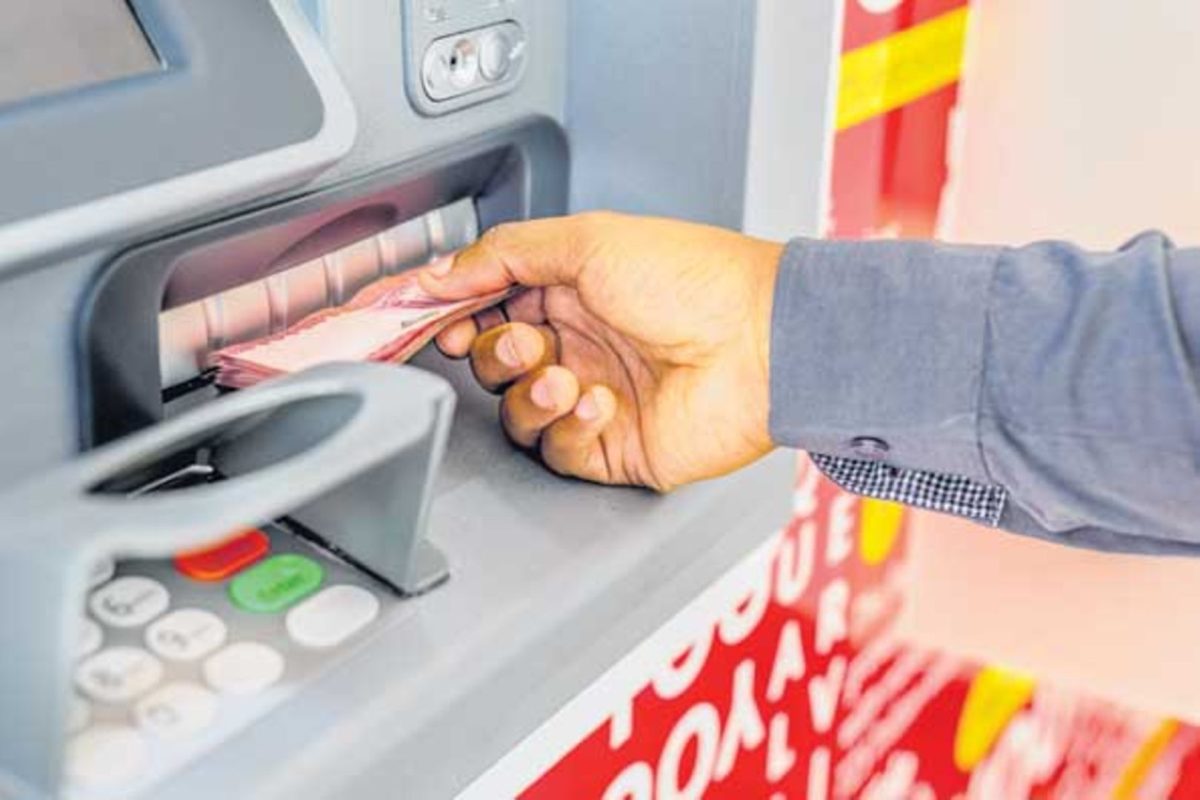 A summary of Tanzanian currency.
We recommend carrying credit or debit cards, ideally one Visa and one MasterCard, to enhance your likelihood of successfully withdrawing cash from an ATM. Additionally, carry several hundred dollars in cash as a contingency in the event of an issue with your card. The amount of monies you bring is contingent upon your prior payments. The duration of your stay in the region and your intended activities will also influence this decision.
As travelers’ cheques have become obsolete, there is no necessity to visit a Tanzanian bank currently.
Additionally, ensure that the dollar bills you bring are current, as any printed prior to 2013 are rarely accepted.