
Climbing Kilimanjaro guide– Complete Guide to Reaching Africa’s Highest Peak
Climbing Kilimanjaro guide, Climbing Kilimanjaro is one of the most iconic adventure experiences in the world. Standing at 5,895 meters (19,341 feet), Mount Kilimanjaro is Africa’s highest mountain and the tallest free-standing mountain on Earth. Located in northern Tanzania, this legendary peak attracts thousands of climbers every year seeking a life-changing challenge.
This complete guide covers everything you need to know about climbing Mount Kilimanjaro, including routes, costs, difficulty level, best time to climb, and preparation tips.
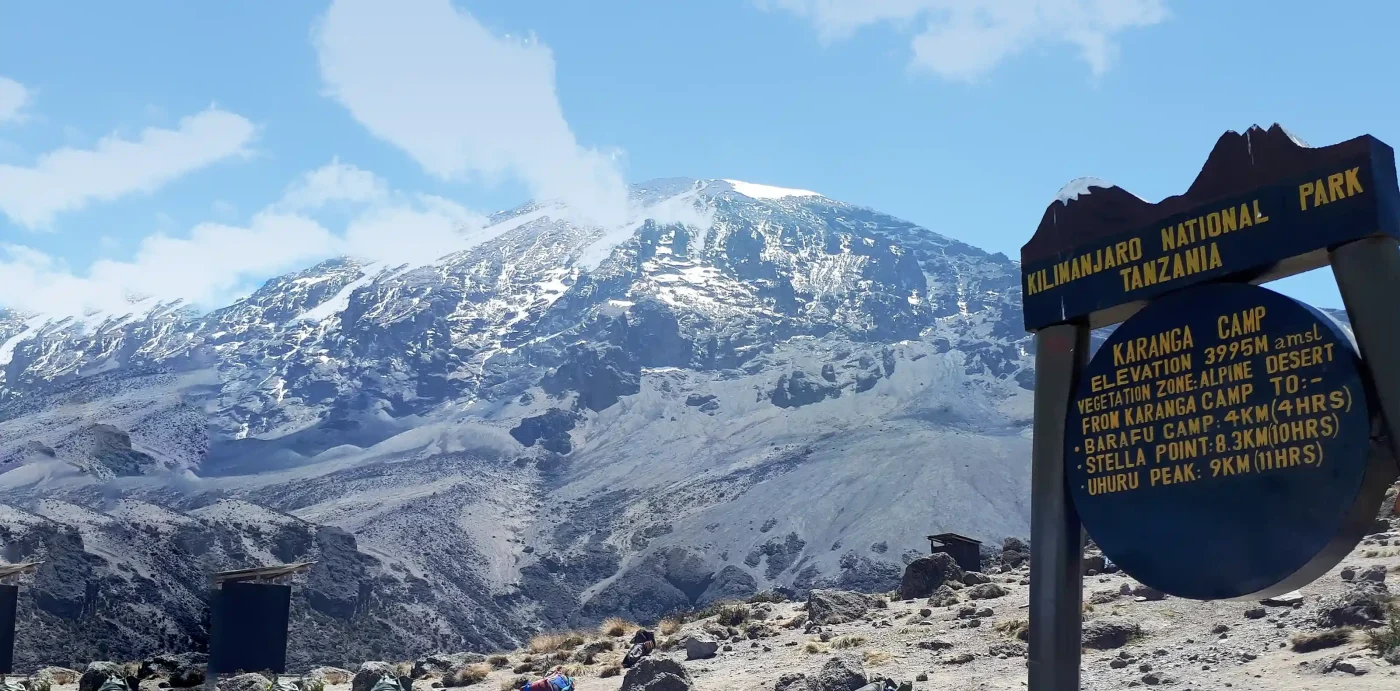 Why Climb Mount Kilimanjaro?
Climbing Kilimanjaro offers a unique opportunity to:
✔ Stand on the “Roof of Africa”
✔ Experience five climate zones in one trek
✔ Challenge yourself physically and mentally
✔ Witness breathtaking sunrise views from Uhuru Peak
✔ Achieve a major personal milestone
Unlike technical mountains, Kilimanjaro is a trekking peak, meaning no ropes or mountaineering experience are required.
How Difficult Is Climbing Kilimanjaro?
Kilimanjaro is considered a moderate to challenging trek, mainly due to altitude rather than steep terrain.
Main Challenges:
- High altitude (risk of altitude sickness)
- Long summit night (6–8 hours uphill in cold temperatures)
- Rapid elevation gain
Proper acclimatization and choosing a longer route significantly increase summit success rates.
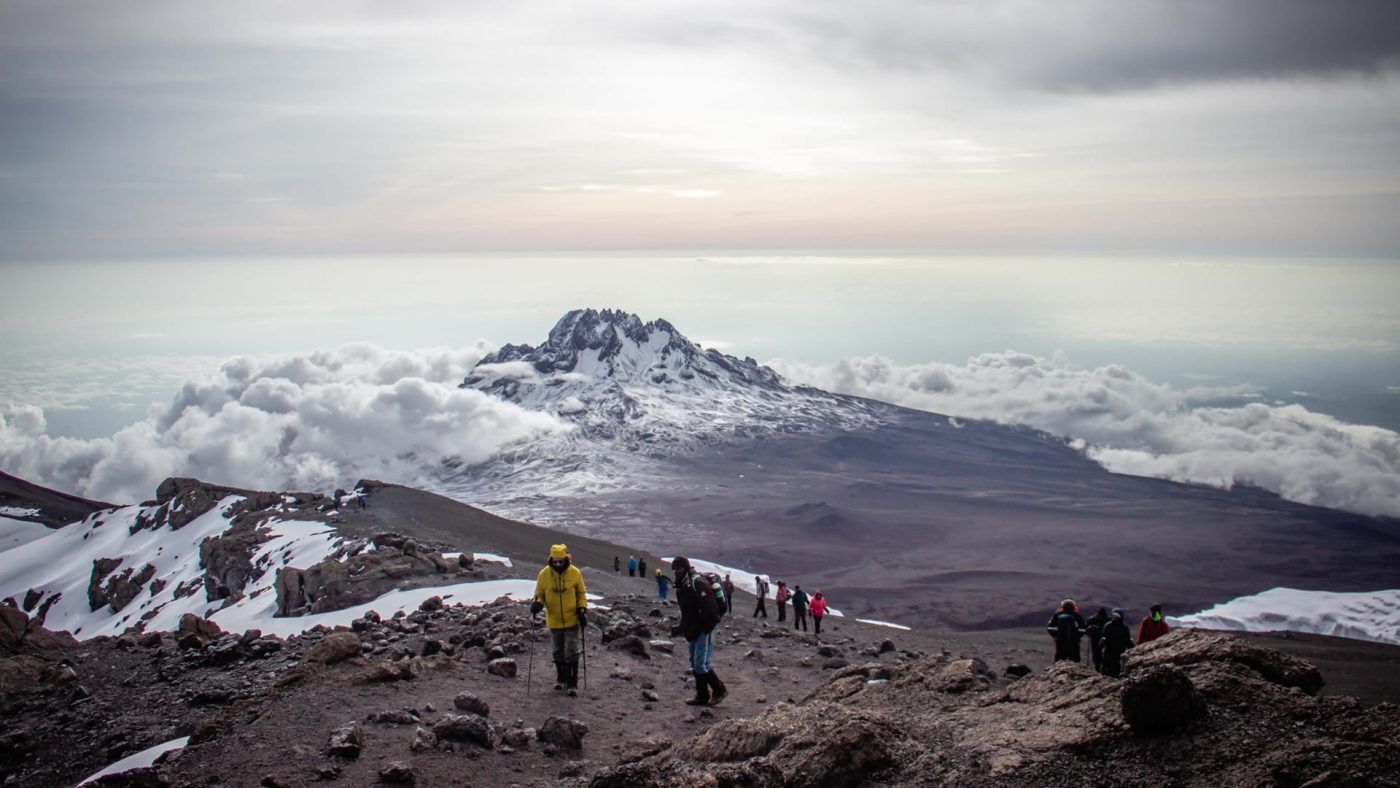 Best Routes for Climbing Kilimanjaro
There are several routes to reach the summit, each offering different scenery and difficulty levels.
1️⃣ Machame Route (6–7 Days)
- Most popular route
- Excellent acclimatization profile
- High success rate
- Scenic landscapes
2️⃣ Lemosho Route (7–8 Days)
- Most scenic
- Less crowded at the start
- High summit success rate
3️⃣ Marangu Route (5–6 Days)
- Only route with hut accommodation
- Shorter but lower acclimatization
4️⃣ Rongai Route (6–7 Days)
- Drier northern approach
- Less traffic
5️⃣ Northern Circuit (8–9 Days)
- Longest and most gradual
- Highest summit success rate
- Panoramic views
Choosing a 7-day or longer itinerary improves your chances of reaching Uhuru Peak.
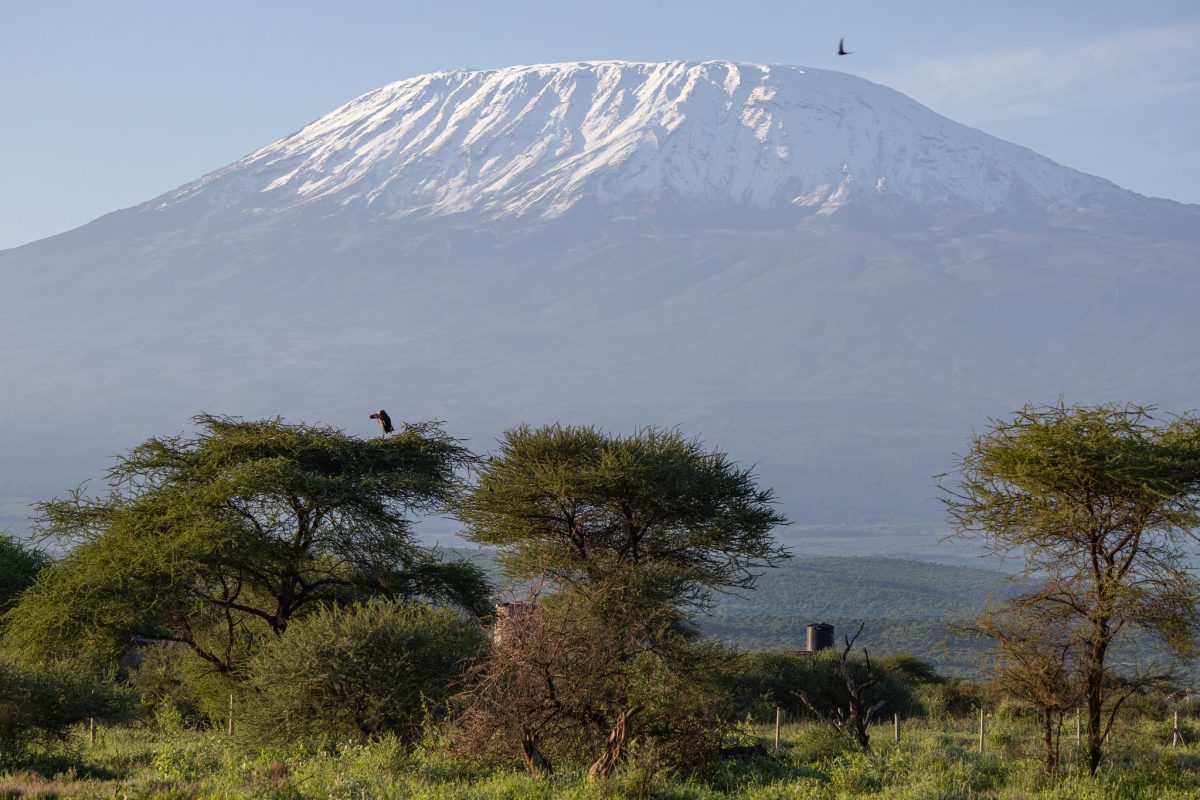 Best Time for Climbing Kilimanjaro
🌞 January – March
- Cooler and quieter
- Possible snow at summit
☀ June – October
- Best weather conditions
- Clear skies
- Most popular season
🌧 April – May & November
- Rainy seasons
- Slippery trails
- Fewer climbers
Kilimanjaro Climbing Cost
The cost of climbing Kilimanjaro typically ranges from:
USD 1,500 – 3,500 per person
The price depends on:
- Route chosen
- Number of days
- Group size
- Level of service (budget, mid-range, luxury)
Most packages include:
- Park fees
- Licensed mountain guides
- Porters and cook
- Mountain accommodation
- Meals during trek
- Transfers
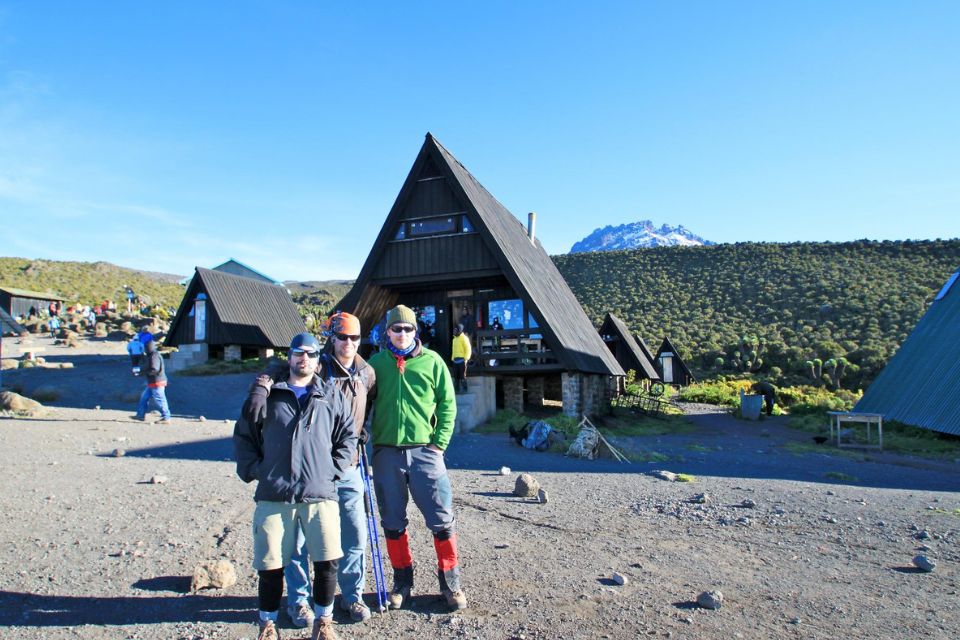 Physical Preparation for Kilimanjaro
Climbing Kilimanjaro requires endurance rather than technical skill.
Recommended training:
- Hiking with elevation gain
- Cardio exercises (running, cycling)
- Strength training (legs & core)
- Multi-day hiking practice
Training at least 8–12 weeks before your climb improves performance.
What to Pack for Climbing Kilimanjaro
Essential items include:
- Waterproof hiking boots
- Warm summit jacket (down jacket)
- Thermal base layers
- Sleeping bag (-10°C or lower)
- Headlamp
- Trekking poles
- Sunscreen & sunglasses
Layering is key due to drastic temperature changes.
Safety and Altitude Tips
✔ Walk slowly (“Pole Pole”)
✔ Stay hydrated
✔ Eat well
✔ Choose experienced guides
✔ Consider altitude medication (consult doctor)
Altitude sickness is the biggest risk, so proper acclimatization is critical.
Can Beginners Climb Kilimanjaro?
Yes. Many first-time trekkers successfully climb Kilimanjaro every year. No technical climbing experience is needed, but mental determination and preparation are essential.
Combining Kilimanjaro with Safari or Zanzibar
Many travelers combine climbing Kilimanjaro with:
- Serengeti safari
- Ngorongoro Crater tour
- Tarangire National Park
- Zanzibar beach holiday
This combination creates the ultimate Tanzania adventure.
Final Thoughts on Climbing Kilimanjaro
Climbing Kilimanjaro is not just about reaching the summit—it’s about resilience, teamwork, and personal achievement. Watching the sunrise from Uhuru Peak is a moment that stays with you forever.
If you’re ready for the challenge, proper preparation and choosing the right route will make your Kilimanjaro adventure unforgettable.