
Mount Kilimanjaro Height
Mount Kilimanjaro National Park is home to one of the most iconic natural landmarks in the world: Mount Kilimanjaro. Rising dramatically from the plains of northern Tanzania, Kilimanjaro is not only Africa’s tallest peak but also the highest free-standing mountain on Earth. Its immense height and unique ecological zones make it one of the most fascinating destinations for trekkers, researchers, and nature lovers alike.
The Height of Mount Kilimanjaro
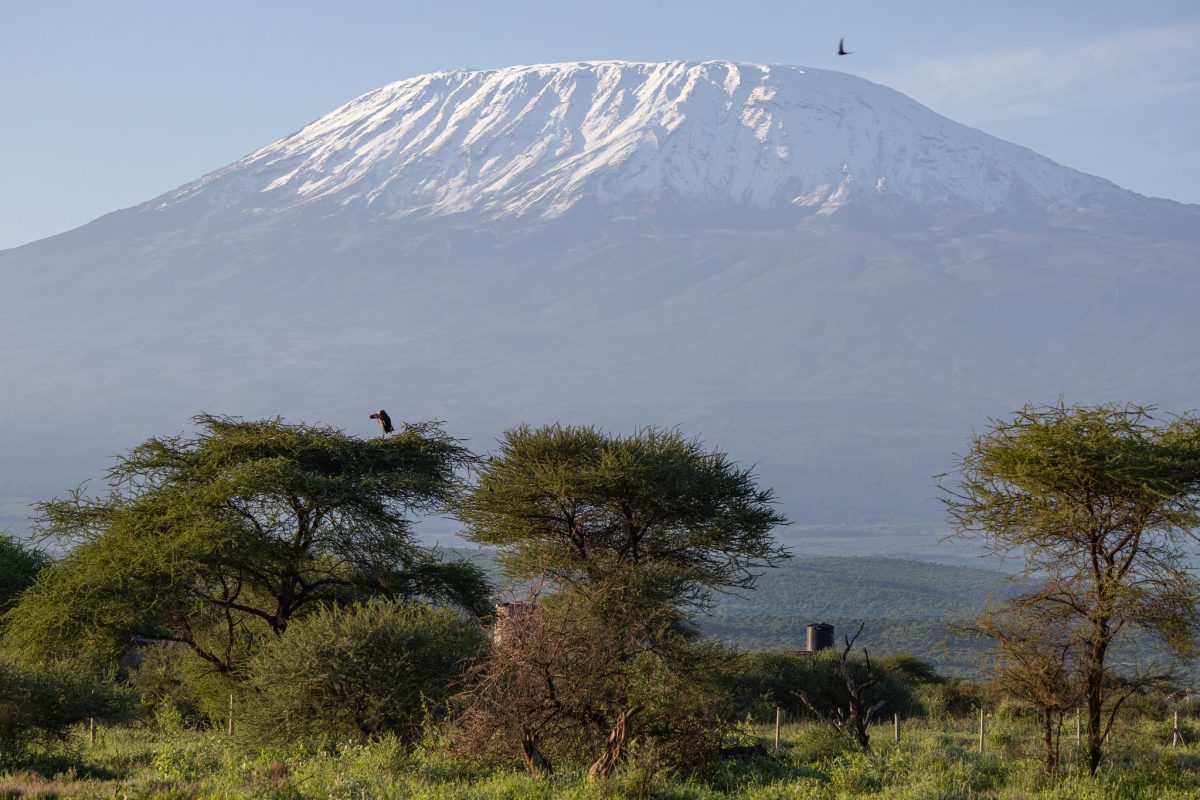
The official height of Mount Kilimanjaro is 5,895 meters (19,341 feet) above sea level, with its highest point known as Uhuru Peak, located on the Kibo volcanic cone. This towering elevation places Kilimanjaro among the world’s most prominent mountains, despite not being part of a larger mountain range. Its solitary rise from the surrounding savannah amplifies its visual dominance, making it appear even taller than its actual measurement.
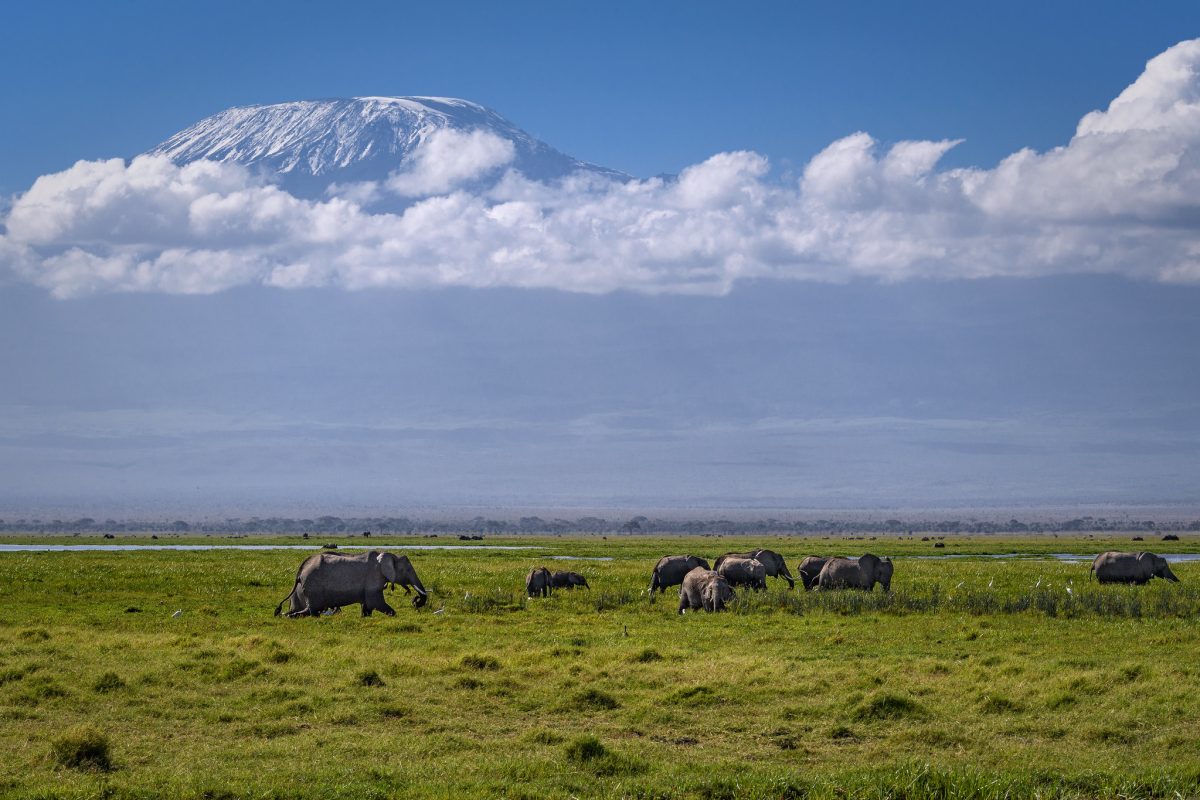
Kilimanjaro consists of three volcanic cones: Kibo, Mawenzi, and Shira. Kibo is the tallest and the only one that remains snow-capped year-round, although climate change has significantly reduced its glaciers over time. Mawenzi, at about 5,149 meters, is rugged and jagged, while Shira, the oldest cone, has eroded into a plateau. Together, these formations contribute to the mountain’s massive structure and geological significance.
Altitude Zones and Their Impact
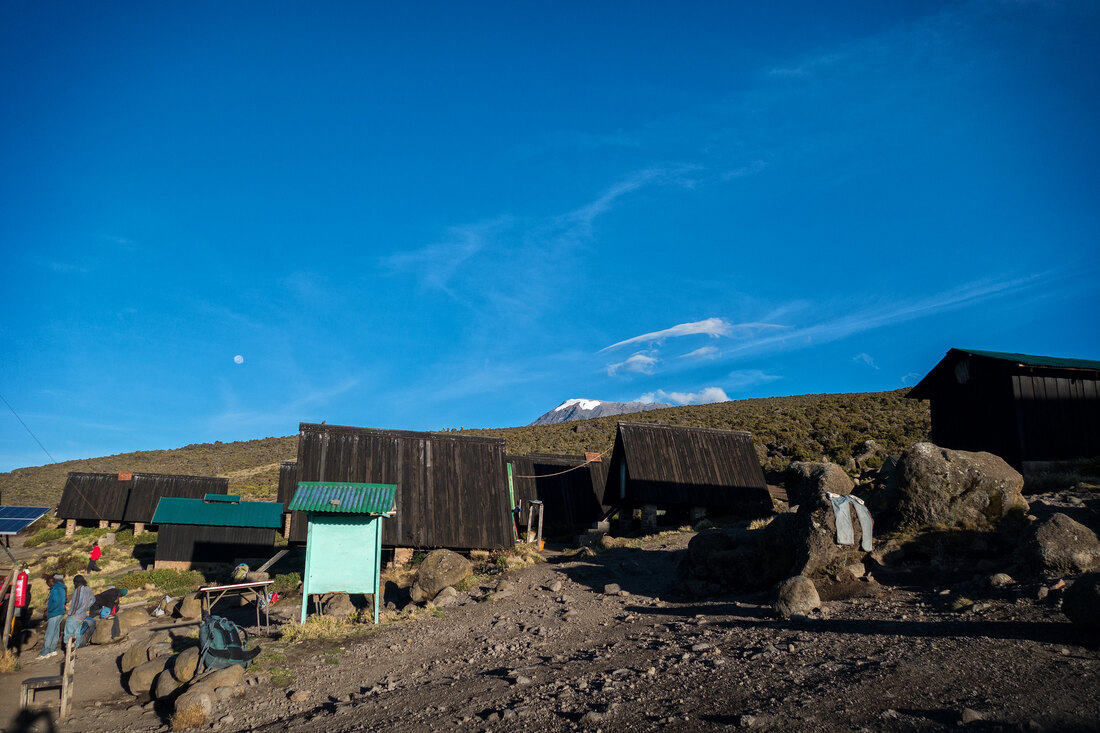
The extreme height of Kilimanjaro creates a series of ecological zones, each with distinct climates, vegetation, and wildlife. Starting at the base (around 800–1,000 meters), climbers pass through cultivated farmland before entering lush montane forests. As the altitude increases, the landscape transitions into heath and moorland, followed by alpine desert, and finally the arctic summit zone above 5,000 meters.
This dramatic change in altitude over a relatively short horizontal distance is one of Kilimanjaro’s most remarkable features. It allows visitors to experience multiple ecosystems in just a few days of trekking. However, the rapid gain in height also poses challenges, particularly altitude sickness. As climbers ascend, the oxygen level decreases significantly, making acclimatization a crucial part of any successful summit attempt.
The Significance of Kilimanjaro’s Height
The height of Mount Kilimanjaro is not just a numerical figure—it represents a major natural achievement and a symbol of adventure. For many climbers, reaching Uhuru Peak is a once-in-a-lifetime accomplishment, requiring physical endurance, mental strength, and proper preparation. Unlike many high mountains, Kilimanjaro does not require technical climbing skills, making it accessible to a wide range of trekkers, yet its altitude ensures it remains a serious challenge.
Additionally, Kilimanjaro’s elevation plays a critical role in its climate and hydrology. The mountain acts as a water catchment area, supporting surrounding ecosystems and communities. Its glaciers, though shrinking, have historically been vital sources of freshwater. The altitude also influences weather patterns, often creating its own microclimate, with clouds forming around the mountain slopes even when the surrounding plains are dry.
A UNESCO World Heritage Site
Mount Kilimanjaro National Park was designated a UNESCO World Heritage Site due to its outstanding natural value. The park protects not only the mountain itself but also the diverse habitats found along its slopes. The height of Kilimanjaro is central to this biodiversity, as it allows for a wide range of species to thrive in different altitude zones.
Wildlife such as elephants, buffaloes, and colobus monkeys inhabit the lower forest regions, while unique plant species like giant lobelias and senecios dominate the higher altitudes. As elevation increases, life becomes scarcer, culminating in the harsh, icy conditions at the summit where only the hardiest organisms can survive.
Conclusion
The height of Mount Kilimanjaro—5,895 meters—defines every aspect of Mount Kilimanjaro National Park, from its ecosystems and climate to its global reputation as a premier trekking destination. Standing at the “Roof of Africa,” Kilimanjaro is more than just a mountain; it is a natural wonder that continues to inspire adventurers from around the world. Its towering presence, ecological diversity, and cultural significance make it one of the most extraordinary landscapes on the planet.