
What is the best month to go to Mount Kilimanjaro?
What is the best month to go to Mount Kilimanjaro? Mount Kilimanjaro, the tallest mountain in Africa, reaches an elevation of around 5,985 meters. The weather on Mount Kilimanjaro significantly influences the trekking performance of any traveler, making it essential to determine the optimal time for ascent for one’s benefit. Adverse weather conditions on Kilimanjaro not only result in an unpleasant walk and compromise your photographs; more critically, they significantly increase the difficulty of the ascent. Your likelihood of reaching the summit increases with favorable weather conditions on Kilimanjaro.
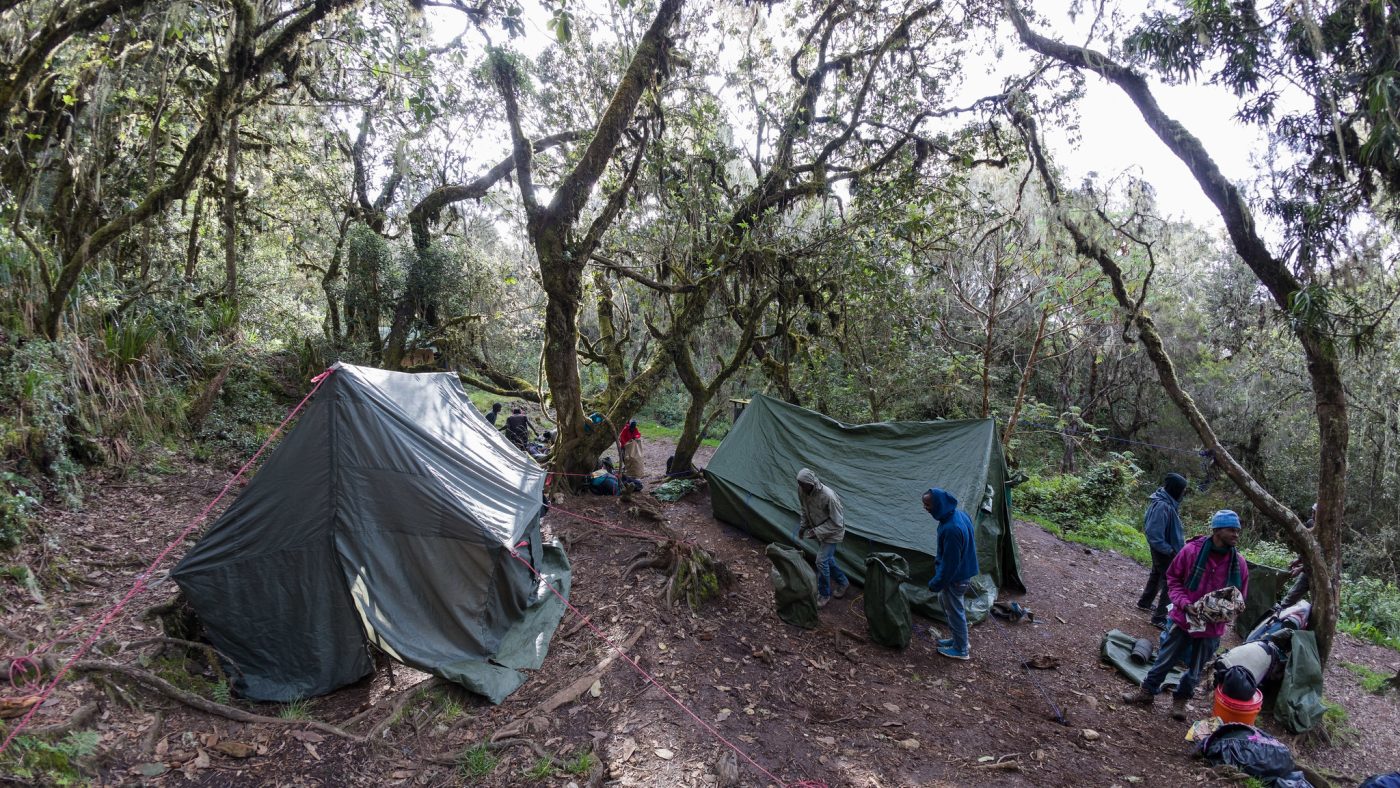
Mount Kilimanjaro is situated near the Equator, within the Tropics, where the concepts of summer and winter do not apply. There exist solely a dry season and a wet season. Ascending Kilimanjaro in the wet season necessitates traversing substantial mud during the initial days. At these altitudes, fog and precipitation prevail, gradually infiltrating your clothing, equipment, and very bones.
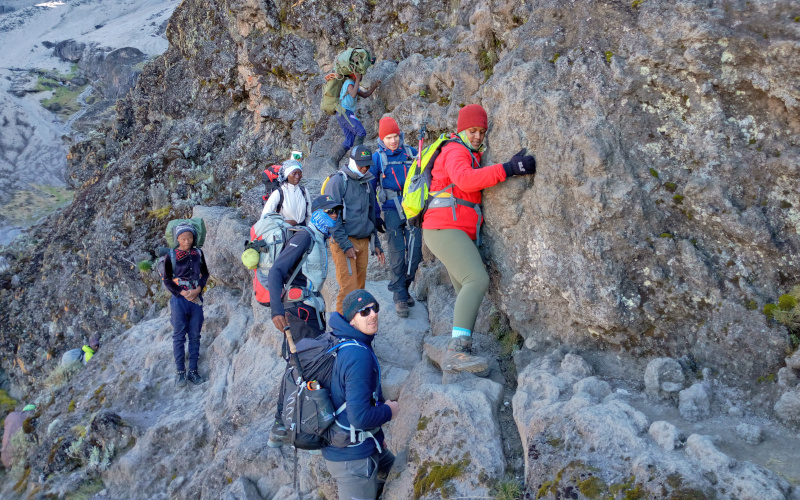
At the summit, you may need to contend with ice and snow. The presence of moisture in your clothing and belongings will not alleviate the frigid conditions above. Nevertheless, additional factors must be taken into account, like the temperatures, the vistas, and, of course, the density of individuals on the mountain. As is frequently the case, there is no definitive answer and no universally optimal time to ascend Kilimanjaro.
From late March until mid-June, the rainy season in East Africa occurs, characterized by significant precipitation, however the precise onset and cessation of rainfall remain uncertain due to fluctuating weather conditions. Tanzania experiences its warmest season of the year; nonetheless, the excessive rainfall in April and May leads many operators to refrain from offering climbs during these months.
From late June to August, precipitation diminishes and temperatures decline, with July and August showcasing optimal sunlight at Mount Kilimanjaro. The climate on Kilimanjaro is arid and clear, although the evenings are exceedingly frigid. This period is designated as the high season.
From August to October, August and particularly September represent the pinnacle of the climbing season on Kilimanjaro. The weather is favorable, characterized by numerous clear days and temperatures exceeding those of June or July. Cloud cover may obscure the woodland and moorland areas, and the southern routes may see rainfall during the initial days of the trek. However, after you depart from the rainforest, all is favorable! Favorable circumstances persist until approximately mid-October, when the onset of the brief showers commences.
From October to November, the weather on Kilimanjaro becomes increasingly volatile, resulting in a decline in the number of climbers. In all tropical places globally, the rainy season is heralded by afternoon clouds and sporadic thunderstorms. Provided you are prepared to endure sporadic rain, this should not pose significant issues.
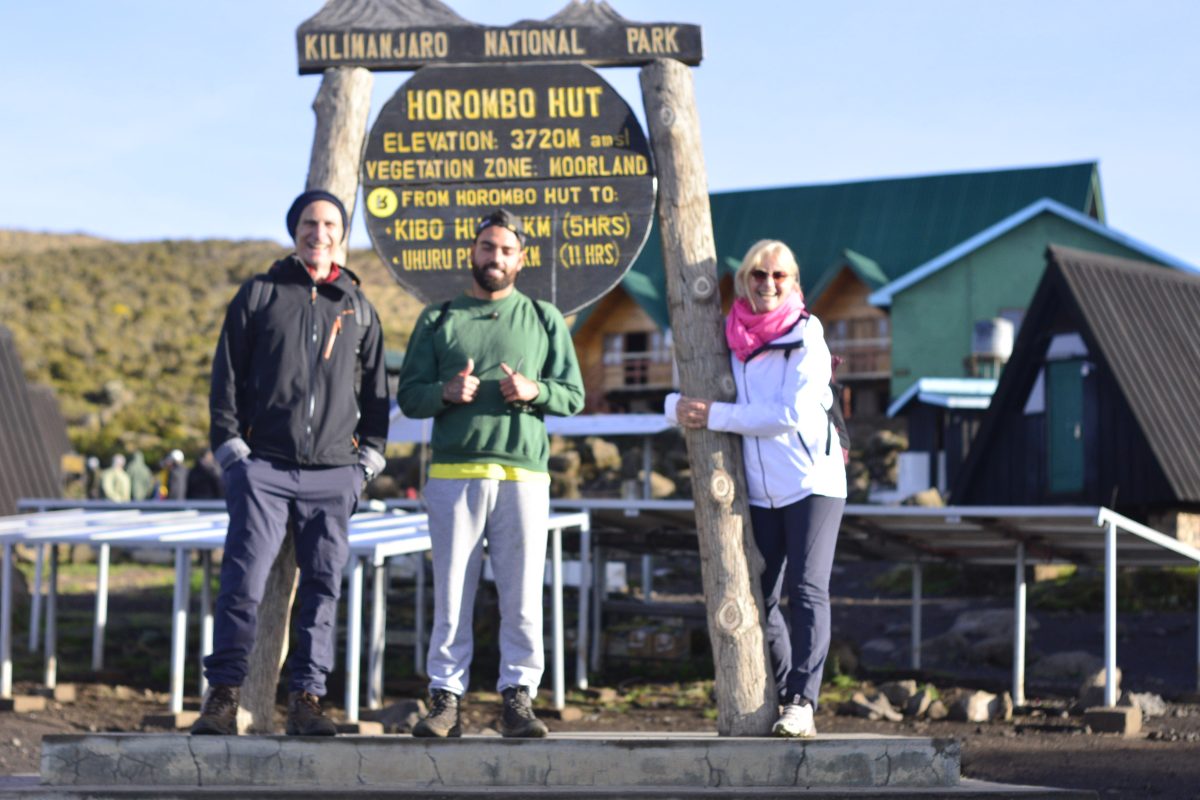
November to December — November marks the minor rainy season, with precipitation extending into mid-December. The temperatures have decreased, and the rain introduces all the dangers already outlined. The timing is suboptimal for ascending Kilimanjaro.
The period from December to January, encompassing four to six weeks surrounding Christmas and New Year, constitutes the second peak climbing season on Kilimanjaro. Traffic remains exceptionally heavy, despite the likelihood of precipitation and dense cloud cover in the lower areas. This is not a period I would select.
Mid-January to mid-March is an optimal period for ascending Kilimanjaro. The weather is reasonable, not too cold, not too wet, and there aren’t as many climbers. The days are predominantly arid, exceptionally clear with minimal cloud cover and sporadic brief rain showers. In March, the probability of precipitation progressively rises as one nears the extended rainy season.
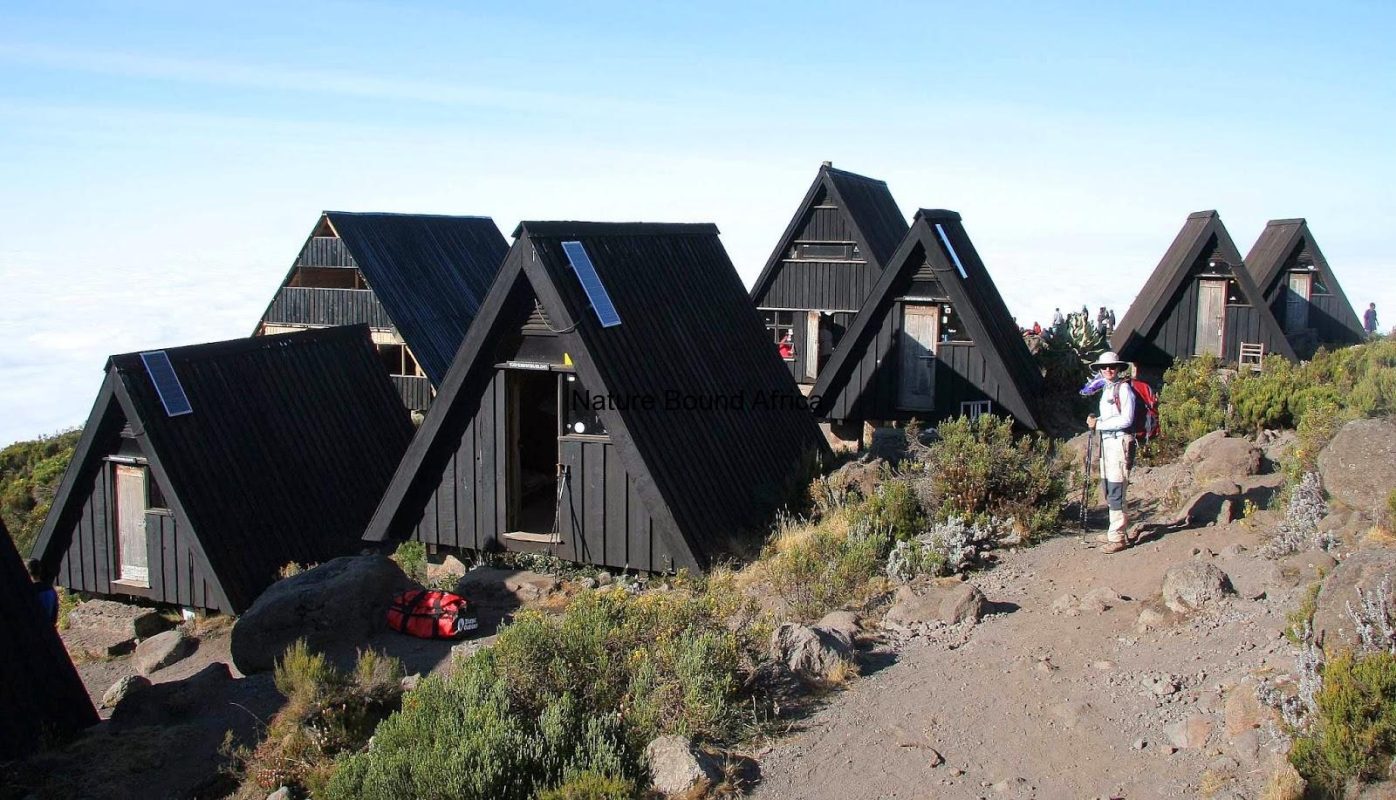
In conclusion, you may opt to ascend at an inopportune moment, whether to evade the primary influx or due to the limited availability of time off from work. If that’s the case, consider the taking the shorter routes such as Rongai route located on the northern side of the mountain and much drier than the other Kilimanjaro routes. And if you want the best weather on Kilimanjaro but hate crowds, then Rongai route will do for you also consider also Shira and Lemosho routes than the overcrowded Machame route and Marangu routes.
Also be note that the day and night temperatures can be vastly different. In this regard, the alpine desert is analogous to other deserts globally. At elevations beyond 4,000 meters, daytime temperatures may surpass 30°C (85°F), while nighttime temperatures remain below 0°C.During summit night, temperatures can plummet to approximately 20°C (-5°F), although the wind chill factor may cause the perceived temperature to reach as low as -40°C. Anticipate the most catastrophic outcome, and thereafter relish the fact that events unfold with greater ease than anticipated!