What is unique about Kilimanjaro National Park?
What is unique about Kilimanjaro National Park, Kilimanjaro National Park is one of Africa’s most extraordinary protected areas, globally renowned for hosting Mount Kilimanjaro, the highest mountain in Africa and the tallest free-standing mountain in the world. Located in northern Tanzania, the park is a UNESCO World Heritage Site and a top destination for adventure travel, nature tourism, and cultural exploration.
Mount Kilimanjaro – Tanzania’s Most Famous Landmark
Rising to 5,895 meters (19,341 feet), Mount Kilimanjaro is:
- The highest mountain in Africa
- The tallest free-standing mountain in the world
- A symbol of Tanzania’s natural heritage
Travelers from around the world visit Tanzania specifically to climb Kilimanjaro, making it the country’s top adventure tourism attraction.
Kilimanjaro National Park is one of Africa’s most extraordinary protected areas, globally renowned for hosting Mount Kilimanjaro, the highest mountain in Africa and the tallest free-standing mountain in the world. Located in northern Tanzania, the park is a UNESCO World Heritage Site and a top destination for adventure travel, nature tourism, and cultural exploration.
Unique Ecosystems Found Only on Mount Kilimanjaro
Kilimanjaro National Park features five ecological zones, all within a single Tanzanian protected area:
Rainforest Zone – Rich in wildlife and birdlife
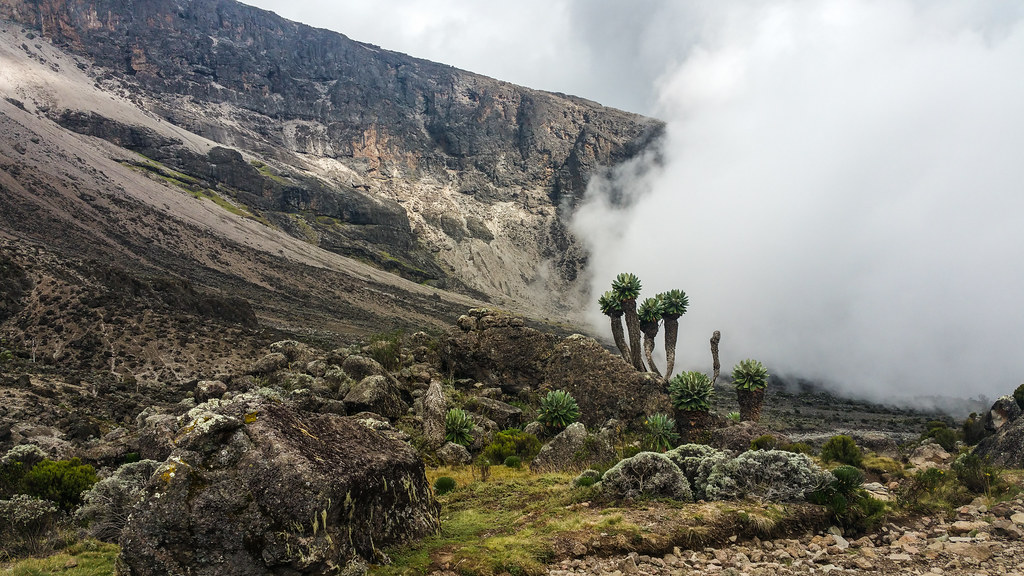
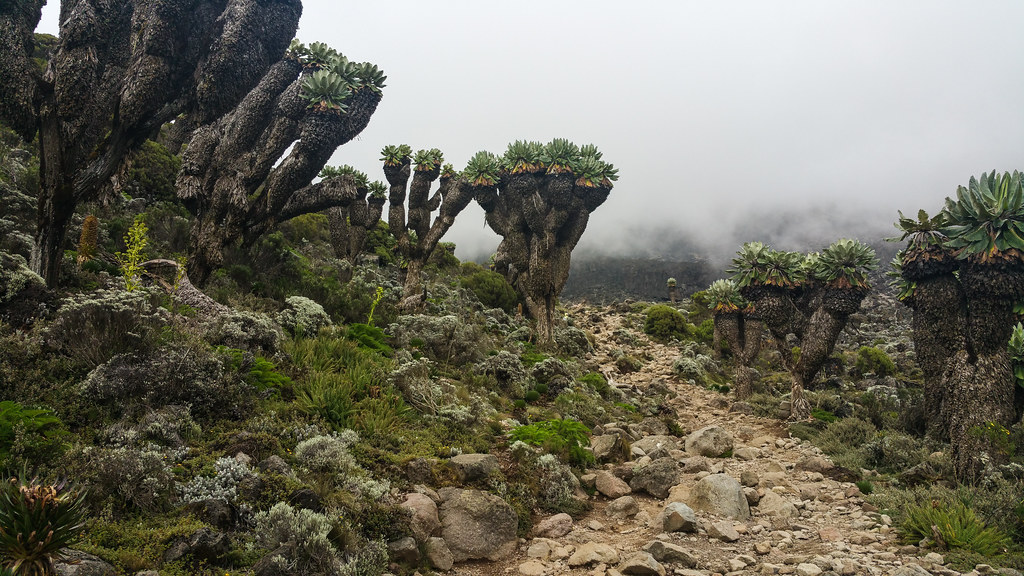
Moorland Zone – Famous for giant groundsels and lobelias
Alpine Desert – Rare volcanic landscapes
Arctic Summit – Snow and glaciers near the equator
This rare environmental diversity makes Kilimanjaro one of the most unique national parks in Tanzania.
Easy Access from Major Tanzania Travel Hubs
Kilimanjaro National Park is strategically located:
1 hour from Moshi Town
90 minutes from Arusha
45 minutes from Kilimanjaro International Airport (JRO)
This makes it ideal to combine Kilimanjaro trekking with a Tanzania wildlife safari to Serengeti, Ngorongoro, Tarangire, or Lake Many
Unique Ecosystems Found Only on Mount Kilimanjaro
Kilimanjaro National Park features five ecological zones, all within a single Tanzanian protected area:
Rainforest Zone – Rich in wildlife and birdlife
Moorland Zone – Famous for giant groundsels and lobelias
Alpine Desert – Rare volcanic landscapes
Arctic Summit – Snow and glaciers near the equator
This rare environmental diversity makes Kilimanjaro one of the most unique national parks in Tanzania.

Best time to visit Mount kilimanjaro National Park
So you’ve decided to take on the task of climbing the highest peak in Africa? The next stage is to determine the ideal time to ascend the mountain in order to increase your chances of reaching the peak. The best time to climb Kilimanjaro depends on a number of factors, including popularity, trekking conditions, and weather. Although it is possible to hike Mount Kilimanjaro in Tanzania all year round, there are some months that are safer to climb and others that are riskier because of the colder temperatures, more precipitation, and possibility of heavy snowfall on the summit. When is the Best Time to Climb Mount Kilimanjaro?
Our typical opinion and advice is that you climb Kilimanjaro between December and mid-March and mid-June to the end of October, when it’s the warmest and driest, despite some suggestions that it’s best done all year round. Although the weather is thought to be at its best during these months, they are also Tanzania’s busiest, so expect to see many other tourists ascending Kilimanjaro’s biggest peak, Uhuru Peak, along the route.
We’ve broken down the Kilimanjaro climbing season into off-peak options, times to avoid, and other considerations to help you choose the best time to go on this mountain adventure.
December through February is the ideal time and is advised.
January and February are the most popular and best months to climb Mount Kilimanjaro. You may expect clear, sunny sky in the mornings and nights because they are the warmest; in the afternoons, clouds may form and there may be some rain. However, as it could rain at any time during this month, don’t forget to pack water-resistant clothing and hiking gear to prevent getting wet. When is the Best Time to Climb Mount Kilimanjaro?
(Not advised) from March, April, and May
The end of March marks the start of the long rainy season, which lasts until early June. We do not advise or advocate climbing Kilimanjaro during this period because the chances of success are limited and it can be risky due to the muddy, snowy, and wet slopes. Climbing in the rain will prevent you from enjoying the amazing views and photo opportunities, and it will probably make the experience less pleasurable. Even the busiest routes may offer solitude, peace, and quiet, so if you do choose to trek during this time of year, you’ll avoid the tourist hordes at the campgrounds and on the trails because it’s low season.
Furthermore, because it makes the trek more challenging and offers breathtaking vistas, some people choose to climb Kilimanjaro when the top is likely to be blanketed with snow.
June is the ideal time to climb Kilimanjaro, and it is highly recommended.
Since June is the beginning of the dry season following the rainy season, it is usually far drier than March, April, and May. However, since the sky is typically overcast and the sights won’t be as spectacular, you should prepare for the cold. It is less risky to climb Mount Kilimanjaro in this month as opposed to the wet months of March, April, and May. You have a good chance of making it to the top of the mountain because of the pleasant and well-maintained hiking trails, as well as the great weather and climate throughout this month. However, keep in mind that this is the start of Tanzania’s busiest travel season, so be ready to run into other travelers while climbing the mountain.
The best and most recommended months are July, August, September, and October.
From July until the end of October, the weather is usually considerably drier but frequently cooler. Normal precipitation levels are modest, although there is a chance of getting wet throughout the year, particularly if you go into moorlands and rainforests.
If you keep dry, you’ll feel more at ease and enjoy the walk more in general. During these months, you will also experience climbs, beautiful views, and sunny, clear sky. A disadvantage of these months is that the trails can grow quite crowded, but some travelers like the opportunity to mingle with other groups at the campgrounds. After all, working as a team is essential to reaching the summit?
November climbing of Mount Kilimanjaro is not advised.
Tanzania’s short rainy season runs from early November until early December. Mornings and evenings are typically clear, although afternoons are often rainy. This month is not advised for climbing Mount Kilimanjaro due to the likelihood of severely muddy, slippery, and wet conditions.
Climbing Kilimanjaro Under a Full Moon
During a full moon, Mount Kilimanjaro’s summit is particularly beautiful. The glaciers are illuminated by the brilliant moon, creating stunning views. The moonlight will make it easier for you to see, especially on your final trek to Uhuru Peak, which is another advantage of hiking at this time of day.
Although it is not required to do so in order to take advantage of moonlight, many people like to arrive at Uhuru Peak when the moon is closest to full. If you do wish to reach the peak on a full moon, you should start your seven-day climb five days before to the full moon date, and your eight-day trek six days prior. Due to the extreme popularity of these dates and the limited number of available spots on the mountain at any given time, make reservations in advance.