Best Time of Year to Climb Mount Kilimanjaro – A Detailed Guide
Climbing Mount Kilimanjaro is a year-round adventure, but choosing the right time of year can significantly influence your overall experience, success rate, and enjoyment. Located within Mount Kilimanjaro National Park, the mountain’s weather patterns are shaped by equatorial climate systems rather than traditional four-season cycles. Instead of summer, winter, autumn, and spring, Kilimanjaro experiences alternating dry and rainy seasons, each bringing its own unique conditions. Understanding these seasonal variations is essential for anyone planning a successful and memorable climb.
The most popular and widely recommended times to climb Kilimanjaro are during the dry seasons, which typically occur from January to early March and June to October. These periods are characterized by relatively stable weather, clearer skies, and lower chances of rainfall, making trekking conditions more comfortable and safer. During these months, climbers are more likely to enjoy unobstructed views of the surrounding landscapes and, if lucky, the iconic snow-capped summit. However, it’s important to note that “dry season” does not mean completely dry—weather on the mountain can still be unpredictable, and occasional or cloud cover is always possible.
The January to early March window is often considered one of the best times for climbing. During this period, temperatures tend to be slightly warmer compared to other months, especially at lower elevations. The skies are generally clear in the mornings and evenings, although clouds may build up later in the day. This time of year is also less crowded than the mid-year peak season, offering a more peaceful and intimate trekking experience. For photographers and those seeking a quieter climb, this period strikes an excellent balance between favorable weather and manageable trail traffic.
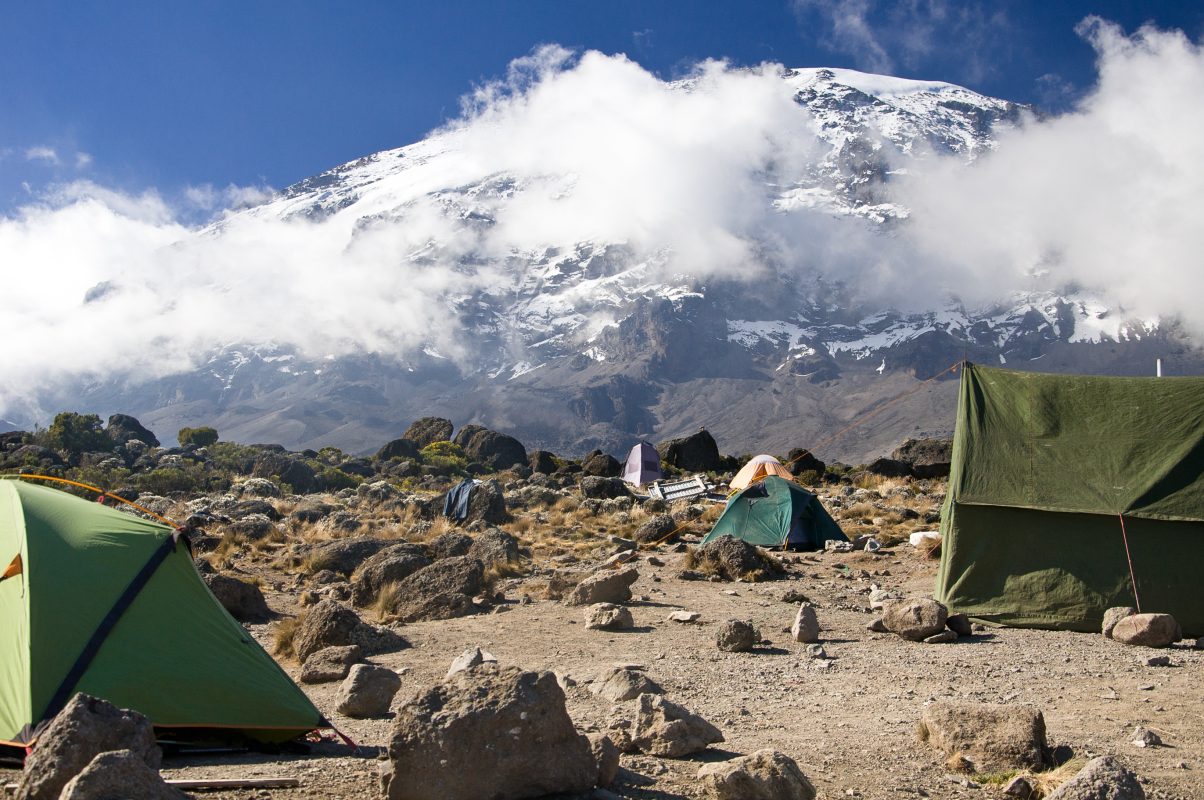
The second prime climbing season, from June to October, coincides with Tanzania’s long dry season. This is the most popular time to climb Mount Kilimanjaro, attracting trekkers from around the world. The weather is generally cool and dry, with excellent visibility and minimal rainfall. These conditions make for ideal trekking, particularly on summit night when clear skies can reveal breathtaking views of the stars and sunrise over the African plains. However, the popularity of this season means that routes can become crowded, especially in July and August, which are peak tourist months.
In contrast, the rainy seasons—March to May (long rains) and November (short rains)—are generally considered less favorable for climbing. During these periods, heavy rainfall can make trails muddy, slippery, and more challenging to navigate. The lower slopes, particularly in the rainforest zone, can become wet and humid, increasing the likelihood of discomfort and gear complications. Visibility is often reduced due to clouds and mist, limiting scenic views. Despite these challenges, some experienced climbers still choose to trek during the rainy season for the solitude it offers. With fewer people on the mountain, the experience can feel more remote and personal, but it requires proper preparation and a willingness to endure tougher conditions.
Another important factor to consider when choosing the best time to climb is temperature variation. Regardless of the season, Kilimanjaro’s high altitude means that temperatures drop significantly as you ascend. While daytime temperatures at the base may be warm and pleasant, summit temperatures can plunge well below freezing, especially at night. During the June to October season, summit conditions can be particularly cold due to clearer skies and less atmospheric moisture. Climbers should be prepared for extreme temperature differences and pack accordingly, regardless of when they choose to go.
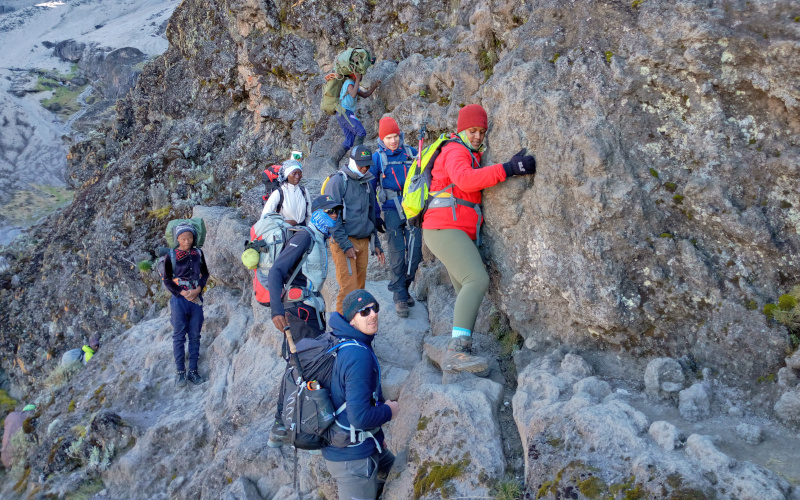
The timing of your climb can also affect your chances of summit success. Stable weather conditions during the dry seasons generally contribute to higher success rates, as climbers face fewer environmental obstacles. However, success is still heavily dependent on factors such as acclimatization, route choice, and personal fitness. Opting for a longer itinerary during a favorable season can significantly improve your chances of reaching Uhuru Peak.
Ultimately, the best time to climb Mount Kilimanjaro depends on your priorities. If you value clear skies, dry trails, and optimal conditions, the dry seasons are your best bet. If you prefer fewer crowds and don’t mind the possibility of rain, the shoulder or rainy seasons may still offer a rewarding experience. Each time of year presents its own advantages and challenges, but with proper planning and preparation, Kilimanjaro can be climbed successfully in any month.
Choosing the right season is about aligning your expectations with the mountain’s realities. Whether you aim for the crisp clarity of the dry season or the quiet solitude of the rains, Mount Kilimanjaro National Park offers a powerful and unforgettable journey to the roof of Africa.