Kilimanjaro Trekking – Complete Guide to Climbing Africa’s Highest Peak
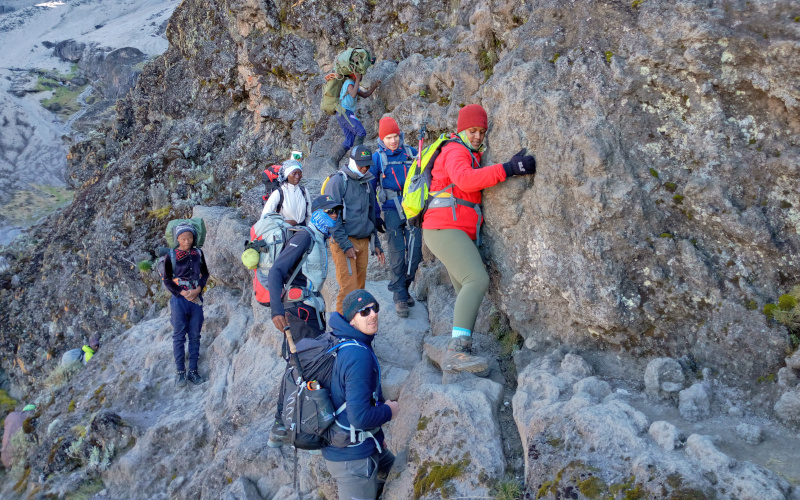
Kilimanjaro trekking is one of the world’s most iconic adventure experiences. Standing at 5,895 meters (19,341 feet) above sea level, Mount Kilimanjaro is the highest mountain in Africa and the tallest free-standing mountain in the world.
Located in northern Tanzania, Kilimanjaro attracts thousands of climbers each year who come to challenge themselves and witness breathtaking landscapes—from rainforest to glaciers—all in a single journey.
Why Go Kilimanjaro Trekking?
Climbing Mount Kilimanjaro is more than a hike—it’s a life-changing adventure.
✔ Reach the “Roof of Africa”
✔ No technical climbing required
✔ Diverse climate zones
✔ Stunning sunrise at Uhuru Peak
✔ Personal achievement and endurance challenge
Unlike many high-altitude mountains, Kilimanjaro trekking requires no mountaineering skills, making it accessible to fit and determined trekkers.
Kilimanjaro Trekking Routes
There are several routes to the summit, each offering different scenery, difficulty levels, and success rates.
1️⃣ Machame Route (6–7 Days)
- Most popular route
- Excellent acclimatization
- Scenic and varied landscapes
- High summit success rate
2️⃣ Marangu Route (5–6 Days)
- Known as the “Coca-Cola Route”
- Only route with hut accommodation
- Shorter but lower acclimatization profile
3️⃣ Lemosho Route (7–8 Days)
- Most scenic route
- Lower traffic
- High summit success rate
- Excellent acclimatization
4️⃣ Rongai Route (6–7 Days)
- Approaches from the north
- Drier route
- Less crowded
5️⃣ Northern Circuit (8–9 Days)
- Longest route
- Highest success rate
- 360-degree mountain views
Kilimanjaro Route Comparison Table
| Route | Duration | Difficulty | Scenery | Accommodation | Success Rate | Traffic Level | Best For |
|---|---|---|---|---|---|---|---|
| Machame Route | 6–7 Days | Moderate–Challenging | ⭐⭐⭐⭐ | Camping | High (85%+) | Busy | Adventurous trekkers |
| Marangu Route | 5–6 Days | Moderate | ⭐⭐⭐ | Mountain Huts | Moderate (70–80%) | Moderate | Budget & hut preference |
| Lemosho Route | 7–8 Days | Moderate | ⭐⭐⭐⭐⭐ | Camping | Very High (90%+) | Low–Moderate | Scenic & high success seekers |
| Rongai Route | 6–7 Days | Moderate | ⭐⭐⭐ | Camping | Good (80–85%) | Low | Dry season climbers |
| Northern Circuit | 8–9 Days | Moderate | ⭐⭐⭐⭐⭐ | Camping | Highest (95%+) | Very Low | Best acclimatization |
| Umbwe Route | 5–6 Days | Very Challenging | ⭐⭐⭐⭐ | Camping | Lower (65–70%) | Low | Experienced hikers |
Here is a high-converting Kilimanjaro trekking landing page designed to generate inquiries and bookings:
Climb Mount Kilimanjaro – Conquer Africa’s Highest Peak (5,895m)
Your Ultimate Kilimanjaro Trekking Adventure Starts Here
Are you ready to stand on the Roof of Africa?
Climbing Mount Kilimanjaro (5,895 meters) is one of the world’s most rewarding adventures. No technical climbing skills required—just determination, preparation, and the right expert team guiding you every step of the way.
We specialize in safe, successful, and unforgettable Kilimanjaro trekking experiences with certified mountain guides, ethical porter treatment, and high summit success rates.
👉 Request Your Free Climb Consultation Today
Kilimanjaro Trekking Itinerary Overview (7-Day Example)
Day 1: Arrival in Moshi/Arusha
Pre-climb briefing and gear check.
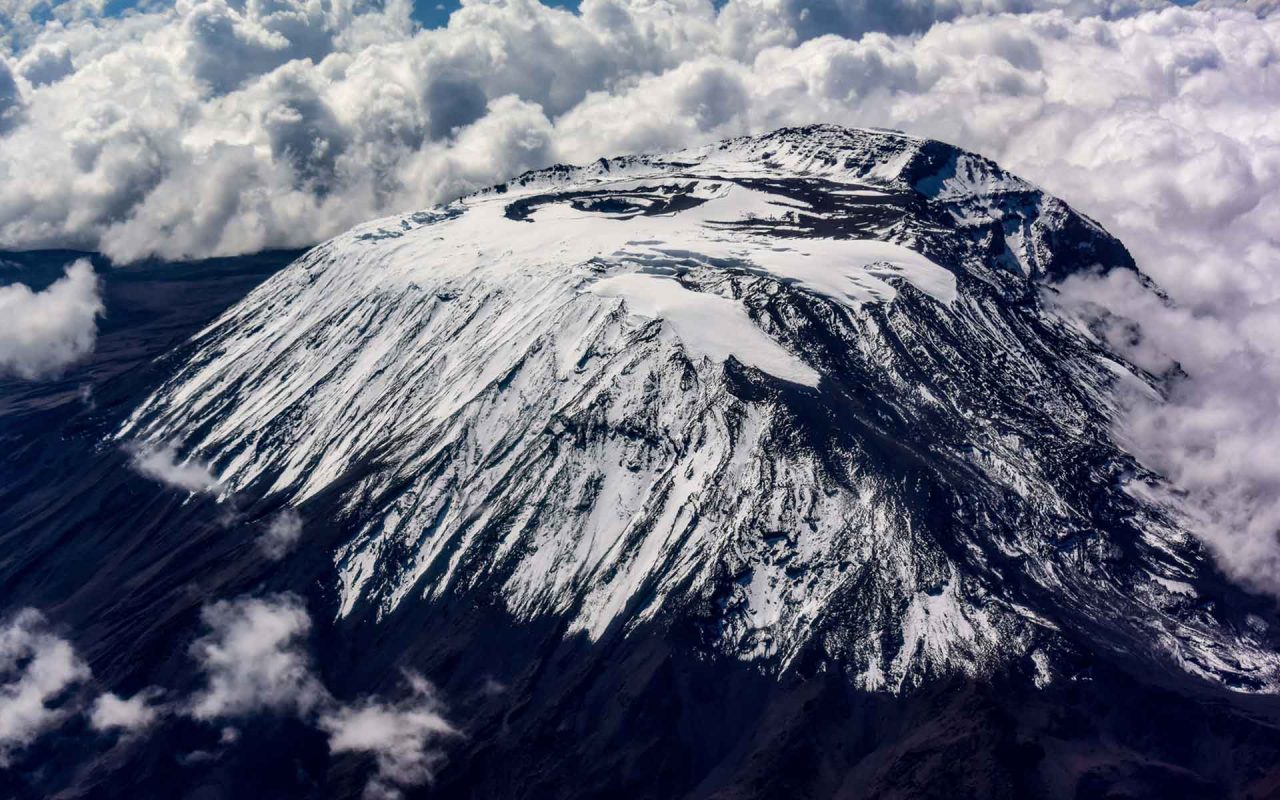
Day 2–6: Trek Through Ecological Zones
- Rainforest
- Moorland
- Alpine desert
- Arctic summit zone
Gradual ascent with acclimatization days included.
Summit Night:
Begin ascent around midnight to reach Uhuru Peak at sunrise.
Final Day:
Descent to the park gate and return to hotel.
Best Time for Kilimanjaro Trekking
🌞 January – March
- Cooler temperatures
- Fewer climbers
- Possible snow at summit
☀ June – October
- Most popular season
- Clear skies
- Best weather conditions
🌧 April – May & November
- Rainy seasons
- Fewer crowds
- Slippery trails
Kilimanjaro Trekking Cost
The cost varies depending on:
- Route selected
- Number of days
- Group size
- Level of service (budget, mid-range, luxury)
Average cost range:
-
USD 1,500 – 3,500 per person
Price typically includes:
- Park fees
- Professional mountain guides
- Porters and cook
- Accommodation on the mountain
- Meals during trek
- Transfers
Difficulty Level of Kilimanjaro Trekking
Kilimanjaro is considered a moderate to challenging trek, mainly due to altitude rather than terrain.
Key challenges:
- High altitude (risk of altitude sickness)
- Long summit night (6–8 hours ascent)
- Cold summit temperatures (below freezing)
Proper acclimatization and physical preparation increase summit success rates.
What to Pack for Kilimanjaro Trekking
Essential items include:
- Waterproof hiking boots
- Thermal base layers
- Down jacket
- Sleeping bag (rated for -10°C or colder)
- Headlamp
- Trekking poles
- Gloves and hat
Your tour operator usually provides a detailed packing list.
Why Choose Tanzania for Kilimanjaro Trekking?
✔ Safe and well-regulated trekking system
✔ Experienced local guides and porters
✔ Strong safety protocols
✔ Stunning biodiversity
✔ Option to combine with safari or Zanzibar beach holiday
Many travelers combine Kilimanjaro trekking with:
- Serengeti safari
- Ngorongoro Crater tour
- Zanzibar beach relaxation

Kilimanjaro Trekking Safety & Success Tips
- Choose a longer route (7+ days) for better acclimatization
- Stay hydrated
- Walk slowly (“Pole Pole” pace)
- Train in advance (cardio & hiking)
- Choose a reputable operator
Kilimanjaro Packing Checklist – Complete Gear List for Your Climb
Preparing for Kilimanjaro trekking requires the right gear to handle changing weather conditions, high altitude, and long trekking days. From rainforest humidity to freezing summit temperatures, packing correctly is essential for comfort, safety, and summit success.
This Kilimanjaro packing checklist covers everything you need to bring for a successful climb to Uhuru Peak (5,895m).
🧥 Clothing – Layering System (Very Important)
Kilimanjaro weather changes drastically with altitude. Dress in layers.
Base Layers (Moisture-Wicking)
- 2–3 thermal tops
- 2 thermal bottoms
- Moisture-wicking T-shirts
Mid Layers (Insulation)
- Fleece jacket
- Lightweight insulated jacket
- Softshell jacket
Outer Layers (Waterproof & Windproof)
- Waterproof jacket (Gore-Tex recommended)
- Waterproof pants
- Poncho (optional but helpful)
🧤 Cold Weather Gear (Summit Night Essential)
- Heavy down jacket
- Warm gloves (plus liner gloves)
- Warm beanie or wool hat
- Neck gaiter or buff
- Thermal socks (3–4 pairs)
- Insulated summit mittens
Summit temperatures can drop below -10°C to -20°C.
👖 Trekking Clothing
- 2–3 hiking pants
- 1–2 hiking shorts
- Breathable underwear
- Gaiters (for dust & scree)
🥾 Footwear
- Waterproof hiking boots (well broken-in)
- Camp shoes or sandals
- 4–5 pairs hiking socks
- Blister care kit
Good boots are critical for a successful Kilimanjaro climb.
🎒 Bags & Equipment
- Duffel bag (carried by porters, usually 90L max)
- Daypack (20–35L)
- Rain cover for backpack
- Trekking poles
- Headlamp (with extra batteries)
- Sleeping bag (-10°C to -20°C rating)
- Sunglasses (UV protection)
💧 Hydration & Nutrition
- 2–3L hydration bladder or water bottles
- Electrolyte powder
- Energy snacks (protein bars, nuts, chocolates)
Staying hydrated is key for altitude acclimatization.
🧴 Toiletries & Personal Items
- Sunscreen (SPF 50+)
- Lip balm with SPF
- Wet wipes
- Toothbrush & toothpaste
- Small towel
- Hand sanitizer
- Toilet paper
- Personal medications
💊 Health & Safety Kit
- Altitude sickness medication (consult doctor)
- Pain relievers
- Blister plasters
- First aid kit (basic)
- Diamox (if prescribed)
- Rehydration salts
Your guide carries emergency equipment, but personal items are recommended.
📄 Important Documents
- Passport
- Travel insurance (covers high altitude trekking)
- Yellow fever certificate (if required)
- Cash for tips
🏕 Optional but Useful
- Camera & extra batteries
- Power bank
- Lightweight book
- Earplugs
- Travel pillow
What NOT to Pack
❌ Heavy suitcases
❌ Cotton clothing (retains moisture)
❌ Too many clothes
❌ Expensive jewelry
Keep your duffel bag under the weight limit set by your operator (usually 15kg).
Can I Rent Kilimanjaro Gear?
Yes. In Moshi and Arusha, you can rent:
- Sleeping bags
- Down jackets
- Trekking poles
- Gaiters
Renting is a good option if you don’t want to buy specialized gear.
Final Packing Tips for Kilimanjaro
✔ Train in your hiking boots before arrival
✔ Pack light but smart
✔ Follow the layering principle
✔ Choose quality over quantity
✔ Label your gear clearly
Proper packing increases comfort and improves your summit success rate.
Final Thoughts
Kilimanjaro trekking is a once-in-a-lifetime adventure that challenges your body, strengthens your mind, and rewards you with one of the most breathtaking sunrises on Earth.
Reaching Uhuru Peak is not just about standing on Africa’s highest point—it’s about proving to yourself that you can achieve something extraordinary.