Climbing Kilimanjaro in December – A Detailed Guide
Climbing Mount Kilimanjaro in December offers a unique blend of opportunity and challenge, making it an appealing choice for trekkers who want to end the year with an unforgettable adventure. Located within Mount Kilimanjaro National Park, the mountain experiences seasonal weather patterns that shift throughout the year, and December falls within what is known as the “short rainy season.” While this may initially sound discouraging, the reality is more nuanced—December can still provide excellent climbing conditions, particularly in the latter half of the month.
One of the defining characteristics of December on Kilimanjaro is the variability of the weather. Early December often still experiences lingering short rains, which can bring occasional showers, especially in the lower rainforest zones. These rains are typically lighter and less prolonged than the heavy downpours seen during the long rainy season (March to May). As the month progresses, conditions generally improve, with clearer skies and more stable weather becoming common toward the end of December. This makes the holiday period, especially around Christmas and New Year, a surprisingly popular time to climb Mount Kilimanjaro.
The presence of rain during early December has both advantages and disadvantages. On the downside, trails—particularly in the forest zone—can become muddy and slippery, requiring extra caution and proper footwear. Wet conditions can also make camping less comfortable if gear is not properly waterproofed. However, the rain transforms the landscape into a lush, vibrant environment, with dense greenery, flowing streams, and a refreshed ecosystem that feels alive and dynamic. For nature lovers and photographers, this can be an incredibly rewarding time to experience the mountain.
Another important factor to consider when climbing in December is crowd levels. Compared to peak dry-season months like July, August, and September, early December tends to be quieter, offering a more peaceful and less crowded trekking experience. However, as the festive season approaches, the number of climbers increases significantly. Many people choose to celebrate the end of the year by attempting the summit, which can lead to busier trails and campsites around late December. Planning your climb dates carefully can help you strike a balance between solitude and favorable weather.
Temperature conditions in December are similar to other times of the year, with significant variation depending on altitude rather than season. At the base of the mountain, temperatures are generally warm and humid, especially after rainfall. As you ascend, temperatures drop steadily, and by the time you reach higher camps and the summit zone, conditions become extremely cold. On summit night, temperatures can fall well below freezing, often reaching -10°C to -20°C or lower. Regardless of the month, climbers must be prepared with proper layering, including waterproof outerwear and insulated clothing.
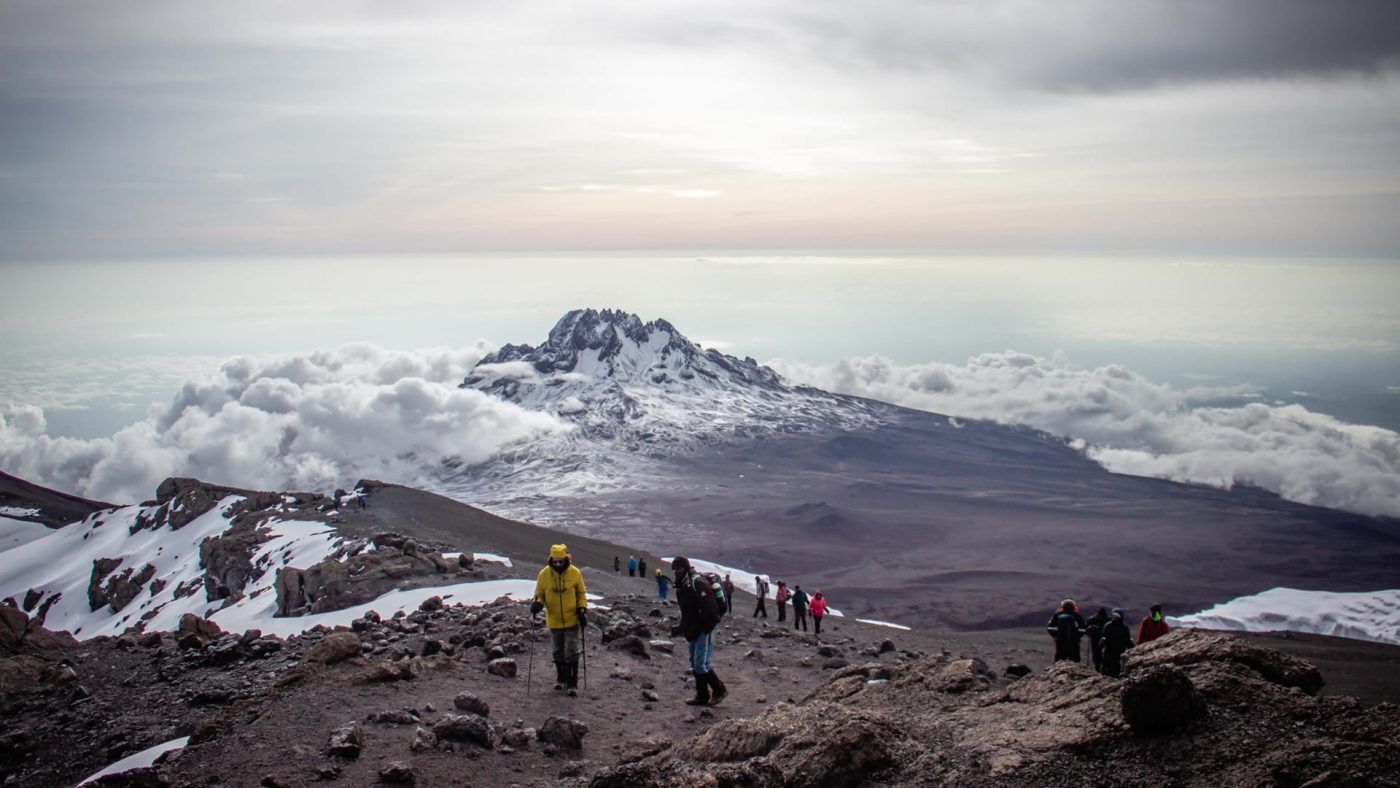
One of the benefits of climbing Kilimanjaro in December is the potential for dramatic scenery. The combination of lingering clouds, occasional and clearing skies can create stunning visual contrasts. You may witness mist rolling through the sunsets breaking through cloud layers, and even snow or ice formations near the summit. These changing conditions add a sense of unpredictability and beauty that is different from the consistently clear skies of the dry season.
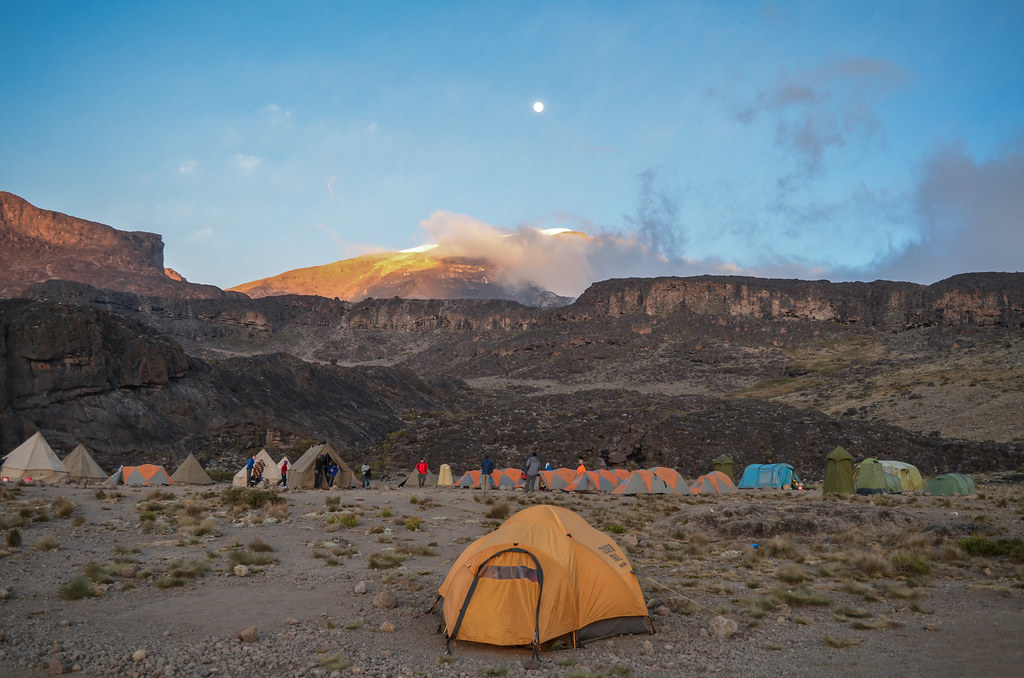
Route selection becomes particularly important during December. Some routes are better suited to wet conditions than others. For example, the Marangu Route, which offers hut accommodation instead of camping, can be more comfortable during rainy periods. Meanwhile, routes like Machame or Lemosho provide better acclimatization profiles but require good-quality waterproof gear. Choosing the right route based on your priorities—comfort, scenery, or success rate—can significantly enhance your experience.
Preparation for a December climb should focus heavily on weather readiness. Waterproof clothing, durable hiking boots with good grip, and dry bags to protect your belongings are essential. Mental preparation is equally important, as dealing with occasional rain and changing conditions requires patience and flexibility. Unlike the dry season, where conditions are more predictable, December demands a willingness to adapt and embrace the mountain in all its moods.
In terms of success rates, December can still be a very good time to summit, especially in the latter half of the month when weather conditions stabilize. As always, acclimatization, pacing, and overall fitness play a much larger role in success than the time of year alone. Climbers who take a longer route and allow their bodies time to adjust to the altitude have a strong chance of reaching Uhuru Peak.
In conclusion, climbing Mount Kilimanjaro in December offers a unique and rewarding experience that combines fewer crowds (early in the month), lush landscapes, and the excitement of year-end adventure. While it comes with the possibility of rain and variable conditions, it also provides moments of extraordinary beauty and tranquility. With proper preparation, the right mindset, and a flexible approach, a December climb in Mount Kilimanjaro National Park can be just as successful and memorable as climbing during the peak dry season.