Climbing Kilimanjaro on a Budget – A Detailed Guide
Climbing Kilimanjaro on a Budget: Climbing Mount Kilimanjaro is often seen as a once-in-a-lifetime adventure, but many people assume it is only possible for those with large travel budgets. The reality is that while Kilimanjaro is not a cheap destination, it is entirely possible to climb it affordably with careful planning, smart choices, and realistic expectations. Located within Mount Kilimanjaro National Park, the mountain is regulated by the Tanzanian government, which means certain costs—such as park fees and guide requirements—are fixed. However, there are still several ways to reduce overall expenses without compromising safety or the quality of your experience.
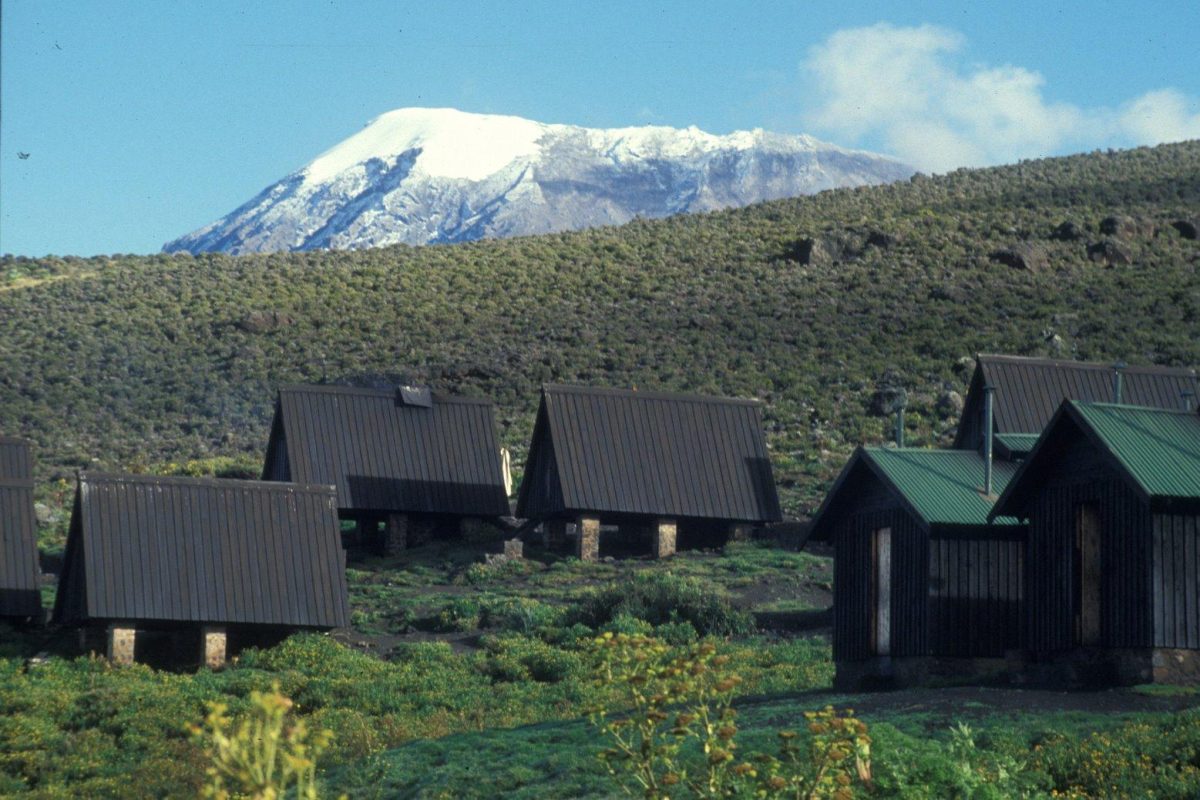
One of the most important things to understand when planning a budget climb is that you cannot climb Kilimanjaro independently. All climbers are required to go through a licensed tour operator, which includes guides, porters, and support staff. This is where most of your money will go, but it is also where smart budgeting decisions can make a big difference. Budget operators typically offer lower prices by using simpler camping equipment, basic meals, and smaller teams. While this reduces cost, it’s important not to choose purely based on price. Extremely cheap operators may cut corners on safety, staff welfare, or food quality. A good strategy is to look for mid-range local operators based in Tanzania, who often provide fair pricing while still maintaining proper standards and ethical treatment of porters.
Another key factor that affects cost is the choice of route and the number of days spent on the mountain. Shorter routes like Marangu or Umbwe are usually cheaper because they require fewer park fees and less time with the crew. However, these routes often have lower success rates due to limited acclimatization time. While it may seem counterintuitive, choosing a slightly longer route—such as Machame or Lemosho—can actually be more cost-effective in the long run, as it increases your chances of reaching the summit and avoids the need for a costly second attempt. Balancing affordability with a realistic chance of success is one of the most important decisions you can make.

Timing your climb can also have a significant impact on your budget. While the dry seasons (January to March and June to October) are the most popular times to climb Mount Kilimanjaro, they are also when prices tend to be higher due to demand. Traveling during the shoulder seasons—just before or after the rains—can sometimes result in better deals from tour operators and lower flight costs. Although weather conditions may be less predictable, the trade-off can be worthwhile for budget-conscious travelers who are flexible and prepared for occasional or muddy trails.
Flights are another major expense, especially for international climbers. Booking flights well in advance, being flexible with travel dates, and comparing different airlines can help reduce costs significantly. Flying into Kilimanjaro International Airport is the most convenient option, but some travelers save money by flying into Nairobi, Kenya, and then taking a bus or shuttle to northern Tanzania. While this option requires more time and planning, it can result in substantial savings.
Accommodation before and after the climb is another area where you can cut costs. Instead of staying in high-end lodges, budget travelers can find affordable guesthouses and hostels in towns like Moshi or Arusha. Many tour operators also include one or two nights of accommodation in their packages, so it’s worth checking what is already covered before booking separately. Keeping your pre- and post-climb lodging simple can free up more of your budget for the climb itself.
Gear is often an overlooked expense, but it can quickly add up if you try to buy everything new. Fortunately, you don’t need to purchase all your equipment. Many items—such as sleeping bags, trekking poles, and insulated jackets—can be rented locally in Moshi or Arusha at a fraction of the cost. Bringing essential personal items like well-fitted hiking boots and base layers from home, while renting bulky or specialized gear, is a smart way to balance cost and comfort.
Another important aspect of budgeting for Kilimanjaro is tipping. While not included in most package prices, tipping the guide, porters, and cook is a standard and expected part of the climb. This can add a few hundred dollars to your total cost, depending on the size of your group and the length of your trek. Planning for this expense in advance will help you avoid surprises and ensure that the hardworking crew is fairly compensated.

Food and water on the mountain are typically included in your tour package, but it’s wise to bring your own snacks, especially energy bars or familiar comfort foods. These small additions can improve your morale during the climb without significantly increasing your budget. Similarly, carrying a reusable water bottle and purification tablets can help reduce the need for buying bottled water before and after your trek.
Ultimately, climbing Mount Kilimanjaro on a budget is about making informed choices rather than cutting corners. Prioritize safety, choose a reputable operator, and be strategic about where you save money. While it may require some compromises—such as simpler accommodations or traveling in the off-season—the reward is the same: standing on Uhuru Peak and experiencing one of the most extraordinary achievements of your life.
With thoughtful planning and realistic expectations, Mount Kilimanjaro National Park can be accessible to a wide range of travelers, proving that this iconic adventure does not have to remain out of reach for those on a limited budget.