
Kilimanjaro National Park Weather
Kilimanjaro National Park Weather: As you prepare for your climb, retain this page for reference and often consult it as your climb date approaches to remain informed on Kilimanjaro’s weather. Mount Kilimanjaro National Park provides you with the latest updates on:
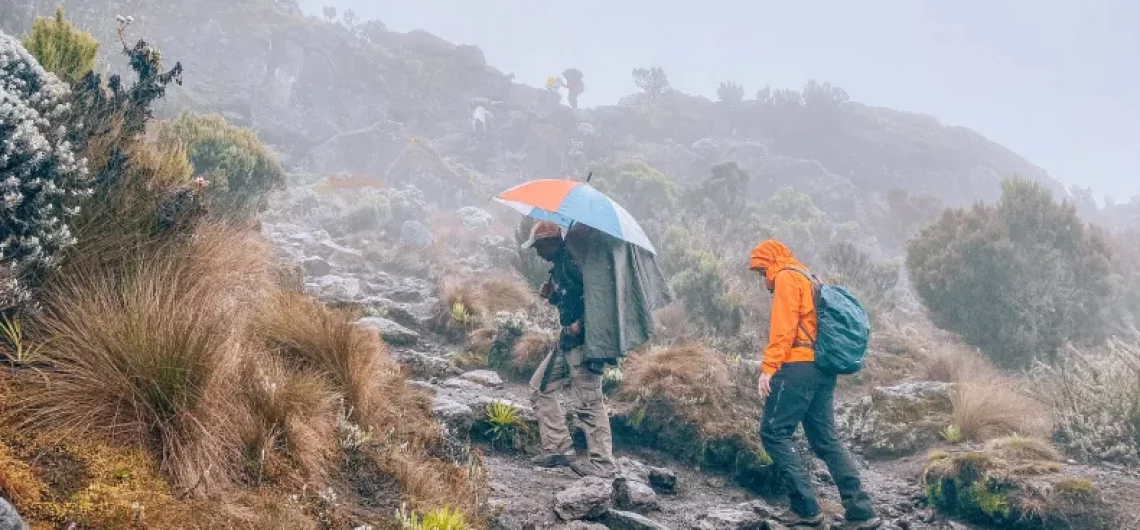 WHAT IS THE WEATHER CONDITIONS ON KILIMANJARO?
The weather of Kilimanjaro is predominantly influenced by its geological characteristic as a solitary freestanding mountain. The climate on Kilimanjaro can fluctuate from subzero temperatures to hot and humid conditions, depending on the season and elevation. Seasonal temperature variations are often minimal and predominantly influenced by the time of day. Kilimanjaro comprises five principal ecological climate zones, ranging from subtropical to arctic, each characterized by distinct weather conditions. Furthermore, the inclusion of two monsoon seasons renders nearly every conceivable meteorological scenario viable.
SUMMIT WEATHER
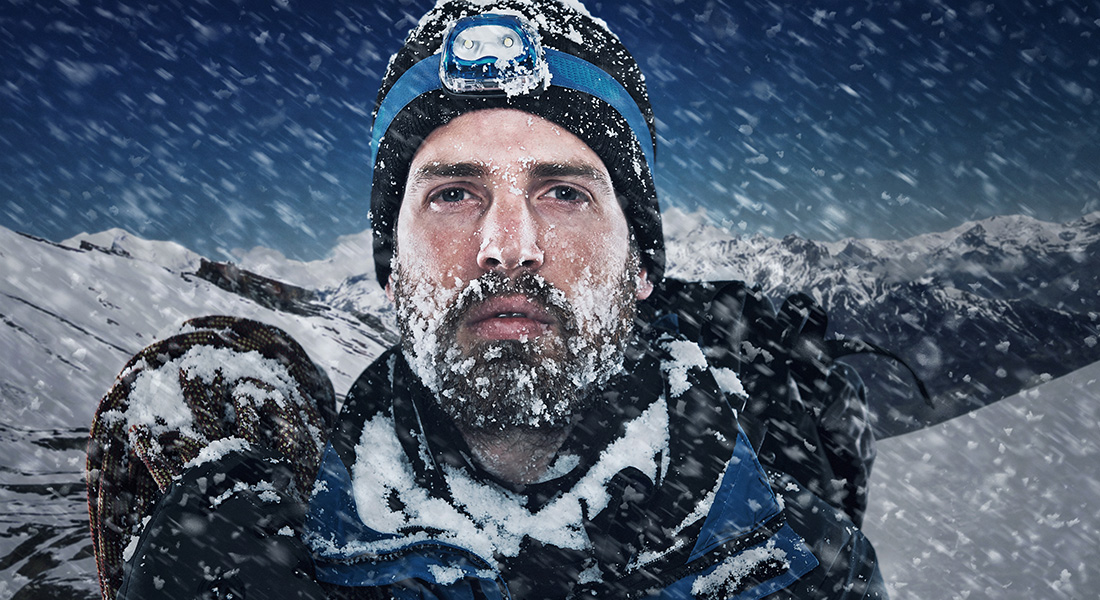
Your primary objective is the summit of Kilimanjaro, which stands at 19,491 feet (5,895 meters) above sea level. Your initial day in Moshi may be warm; however, the peak is freezing due to the great elevation. Refer to the following. The temperature hovers around 21°F (-6°C), indicating no precipitation, with typically mild winds. However, all you experience is the awe of attaining Africa’s pinnacle and confronting the task of your lifetime.
WIND PATTERNS
The seasonal climate of Tanzania is mostly influenced by the north-south movement of the Inter-tropical Convergence Zone (ITCZ), which is the meeting point of the Trade Winds from the Northern and Southern hemispheres. This zone of extremely low pressure varies, resulting in Tanzania’s two rainy seasons. Refer to the south winds during January and February, followed by the north winds for March, April, and May.
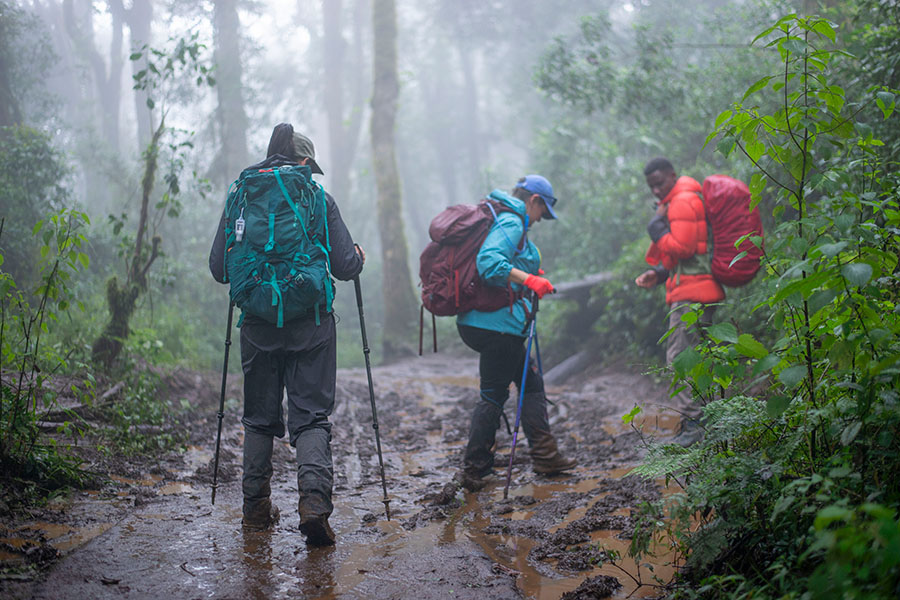 Temperature Range of Kilimanjaro
Upon arrival in Tanzania for your ascent, you will spend the initial two nights in the town of Moshi, situated at the base of Kilimanjaro. There are two rainy seasons: mid-March to May and November to mid-January, characterized by hot, humid, and overcast conditions. Throughout the year, temperatures range from 61°F (16°C) to 91°F (33°C), while the average at the peak is 21°F (-6°C).
MONTHLY WEATHER CONDITIONS AT KILIMANJARO
Ascending Kilimanjaro is perpetually exhilarating; yet, certain months pose more problems regarding meteorological conditions. Selecting the optimal time for ascent is merely one of numerous considerations while organizing your expedition. Here is pertinent information to assist you in determining the optimal time for climbing.
January and February
Between January and March, the mean temperature on Kilimanjaro is 78°F (25.6°C) with minimal precipitation. Although it is not the driest season, it is enough dry for a quite pleasurable ascent. Furthermore, the clear skies provide wonderful vistas.
The Rainfall in April
The wettest segment of the season commences in April, accompanied by a modest decrease in temperature. This period is generally among the least favored for climbing because to the tough conditions posed by mud and damp rocks. The advantage is that there are significantly less individuals on the mountain.
 May to August
May follows April’s rainy pattern, albeit with slightly reduced precipitation. The mean temperature will approximate 72°F (22.2°C). As June nears, the temperature and scant precipitation are optimal for climbing. July and August are the driest months of the year on Kilimanjaro, ideal for photography and exploration of the slopes. Nonetheless, the nights remain somewhat chilly.
September
September is an optimal month for ascending Kilimanjaro, rendering it one of the most frequented months on the mountain. The mean temperature is approximately 71°F (21°C). It is additionally the driest month, which further contributes to its popularity for climbing.
October, November, December
During these months, the weather exhibits a pleasant average temperature of 76°F (24.4°C), accompanied by a gradual increase in rainfall and partly cloudy skies.