Mount Kilimanjaro vs. Rwenzori Mountains: Which African Mountain Adventure Is Right for You?
Mount Kilimanjaro vs. Rwenzori Mountains, Africa is home to some of the world’s most breathtaking mountain landscapes, and among the most remarkable are Mount Kilimanjaro and the Rwenzori Mountains. Both destinations attract adventurers, nature lovers, photographers, and trekking enthusiasts from across the globe, yet they offer vastly different experiences. While Mount Kilimanjaro is celebrated as Africa’s highest peak and one of the most famous mountains in the world, the Rwenzori Mountains are known for their mystical beauty, extraordinary biodiversity, and rugged wilderness. Understanding the differences between these two mountain giants can help travelers choose the experience that best matches their interests, fitness levels, and sense of adventure.

Overview of Mount Kilimanjaro
Mount Kilimanjaro is located in northeastern Tanzania near the Kenyan border and rises to an impressive elevation of 5,895 meters above sea level. It is the highest mountain in Africa and the tallest free-standing mountain in the world. Unlike many other major mountains, Kilimanjaro is a dormant volcanic mountain composed of three volcanic cones: Kibo, Mawenzi, and Shira.
One of the reasons Kilimanjaro is so popular among international travelers is that it does not require technical climbing skills. Thousands of trekkers successfully reach the summit each year by following established hiking routes. The mountain offers an incredible journey through multiple ecological zones, allowing visitors to experience changing landscapes as they ascend from tropical forests to alpine deserts and eventually to icy glaciers near the summit.

Main Attractions of Mount Kilimanjaro
The summit, known as Uhuru Peak, remains the mountain’s biggest attraction. Reaching the highest point in Africa is a dream achievement for many travelers and mountaineers. The sense of accomplishment combined with panoramic views from the roof of Africa creates an unforgettable experience.
Another significant attraction is Kilimanjaro’s diverse ecosystems. The lower slopes are covered with lush rainforests inhabited by blue monkeys, colobus monkeys, and numerous bird species. As hikers climb higher, they encounter heathlands, moorlands, and alpine deserts that feature unique vegetation adapted to extreme conditions.
The mountain’s glaciers are also among its most famous features. Although climate change has caused significant glacial retreat over the years, visitors can still witness stunning ice formations near the summit. Sunrise views from Uhuru Peak are particularly spectacular, offering golden light stretching across Tanzania and neighboring Kenya.
Several trekking routes provide different perspectives of the mountain. Popular options include the Machame Route, Marangu Route, Lemosho Route, Rongai Route, and Northern Circuit Route. Each route presents unique scenery, varying difficulty levels, and different acclimatization opportunities.
Overview of the Rwenzori Mountains
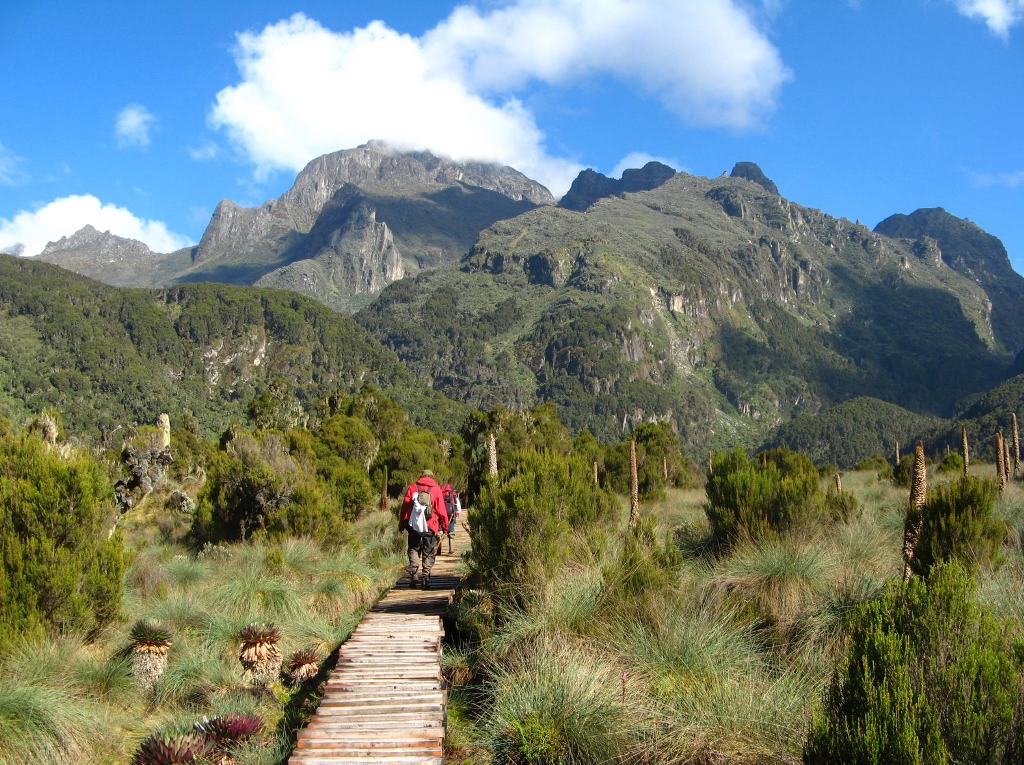
The Rwenzori Mountains are located along the border between Uganda and the Democratic Republic of Congo. Often referred to as the “Mountains of the Moon,” the range possesses an almost mythical reputation due to its dramatic landscapes and mysterious cloud-covered peaks. Unlike Kilimanjaro’s volcanic origin, the Rwenzori Mountains were formed through tectonic uplift, creating a rugged mountain range characterized by sharp ridges, deep valleys, and glacier-capped summits.
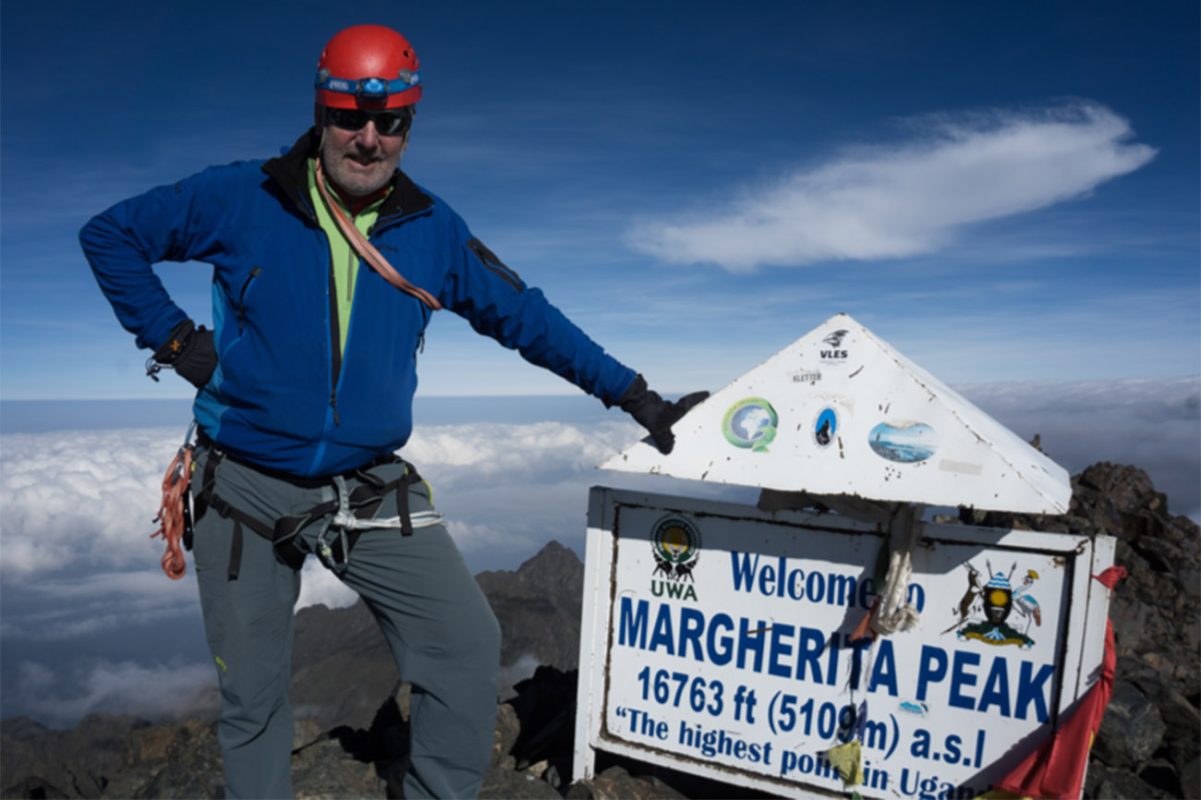
The highest peak in the range is Margherita Peak on Mount Stanley, which reaches 5,109 meters above sea level. Although it is lower than Kilimanjaro, many experienced trekkers consider the Rwenzori Mountains more challenging because of their steep terrain, muddy trails, unpredictable weather, and technical sections near the highest summits.
Main Attractions of the Rwenzori Mountains
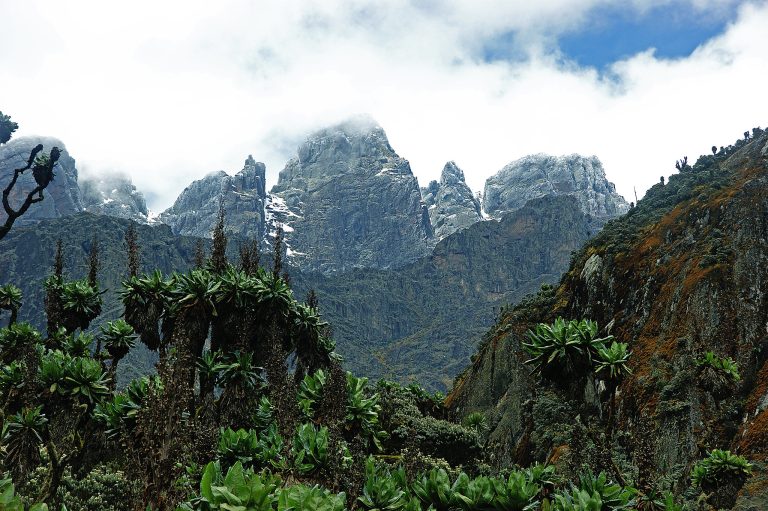
The most distinctive attraction of the Rwenzori Mountains is their extraordinary scenery. The landscape appears almost prehistoric, featuring giant lobelias, giant groundsels, moss-covered forests, and mist-filled valleys. Few mountain environments in the world resemble the unique ecosystem found in the Rwenzori region.
The mountain range is also recognized for its exceptional biodiversity. Visitors can encounter rare bird species, colorful butterflies, chameleons, forest elephants, and various primates. The diversity of plant and animal life has earned the region international recognition as an important conservation area.
Margherita Peak attracts experienced climbers seeking a more demanding challenge than Kilimanjaro. Reaching the summit often involves crossing glaciers and navigating rocky terrain, making it a rewarding achievement for adventurous trekkers.
The mountain’s numerous lakes, waterfalls, rivers, and valleys add to its appeal. Crystal-clear alpine lakes reflect surrounding peaks, while cascading waterfalls create stunning photographic opportunities throughout the trekking routes.
Trekking Experience Comparison
One of the most significant differences between Mount Kilimanjaro and the Rwenzori Mountains lies in the trekking experience itself. Kilimanjaro offers well-developed tourism infrastructure, established trails, and a relatively straightforward ascent. Most trekkers focus on reaching the summit within five to nine days, depending on the chosen route.
The Rwenzori Mountains provide a more remote and wilderness-oriented experience. Trekkers often spend several days crossing muddy trails, navigating dense vegetation, and traversing rugged terrain. The journey feels more exploratory and less crowded compared to Kilimanjaro.
Weather conditions also differ considerably. Kilimanjaro generally experiences more predictable weather patterns, although temperatures near the summit can be extremely cold. The Rwenzori Mountains receive heavy rainfall throughout much of the year, resulting in wet conditions that increase trekking difficulty.
Wildlife and Natural Beauty
Both mountain destinations showcase remarkable natural beauty, but in different ways. Kilimanjaro impresses visitors with its dramatic elevation changes, expansive views, volcanic landscapes, and snow-capped summit. The mountain’s changing ecological zones create an impressive visual journey from tropical forest to arctic-like conditions.
The Rwenzori Mountains excel in terms of biodiversity and lush scenery. Dense forests, rare vegetation, and abundant wildlife create an immersive wilderness experience. Many visitors describe the Rwenzori landscape as one of the most unique mountain environments on Earth.
Birdwatchers particularly appreciate the Rwenzori region due to the large number of endemic and migratory bird species. Nature photographers also find endless opportunities to capture extraordinary scenery rarely seen elsewhere in Africa.
Accessibility and Tourism
Mount Kilimanjaro benefits from easier accessibility and a highly developed tourism sector. International travelers can fly into nearby airports and choose from numerous tour operators, accommodation options, and trekking packages. The mountain attracts tens of thousands of climbers annually, making it one of Africa’s most visited adventure destinations.
The Rwenzori Mountains receive fewer visitors and maintain a more secluded atmosphere. While tourism infrastructure continues to improve, the region remains less commercialized. This appeals to travelers seeking authentic wilderness experiences away from larger tourist crowds.
Which Mountain Should You Choose?
Choosing between Mount Kilimanjaro and the Rwenzori Mountains depends largely on personal preferences and adventure goals. Travelers seeking the prestige of standing on Africa’s highest peak, combined with a well-supported trekking experience, will likely find Kilimanjaro the ideal choice.
Those who prefer remote wilderness, unique ecosystems, challenging trails, and exceptional biodiversity may find the Rwenzori Mountains more rewarding. The Rwenzori experience offers a deeper connection with nature and a sense of exploration that few destinations can match.
Conclusion
Mount Kilimanjaro and the Rwenzori Mountains represent two of Africa’s most extraordinary mountain destinations. Kilimanjaro stands as a global icon known for its accessibility, towering height, and unforgettable summit experience. The Rwenzori Mountains captivate visitors with their mystical beauty, remarkable biodiversity, and rugged adventure opportunities. Whether travelers choose the famous heights of Kilimanjaro or the enchanting wilderness of the Rwenzori range, both destinations promise life-changing experiences and memories that will last a lifetime.