What I Wish I Knew Before Climbing Mount Kilimanjaro
What I Wish I Knew Before Climbing Mount Kilimanjaro: Climbing Mount Kilimanjaro is often described as a “walkable” mountain, a non-technical trek that doesn’t require ropes or advanced mountaineering skills. While this is technically true, it can be dangerously misleading. What many first-time climbers don’t fully grasp is that the real challenge of Kilimanjaro is not the terrain—it’s the altitude. Rising to 5,895 meters, the mountain pushes your body into an environment where oxygen levels are nearly half of what they are at sea level. Before I climbed, I underestimated just how much this would affect my breathing, energy levels, and overall experience. Even the fittest hikers can struggle if they don’t respect altitude, and success often depends more on acclimatization than physical strength.
One of the biggest lessons I wish I had known earlier is that slower is always better. On Kilimanjaro, there is a Swahili phrase guides repeat constantly: “pole pole,” meaning “slowly, slowly.” At first, it feels almost frustrating to walk at such a reduced pace, especially if you are used to faster hiking speeds. However, this deliberate slowness is essential for allowing your body to adapt to the thinning air. Rushing—even slightly—can increase the risk of altitude sickness, which can quickly turn a dream climb into a failed attempt. I learned that conserving energy and maintaining a steady rhythm is far more effective than trying to prove endurance.
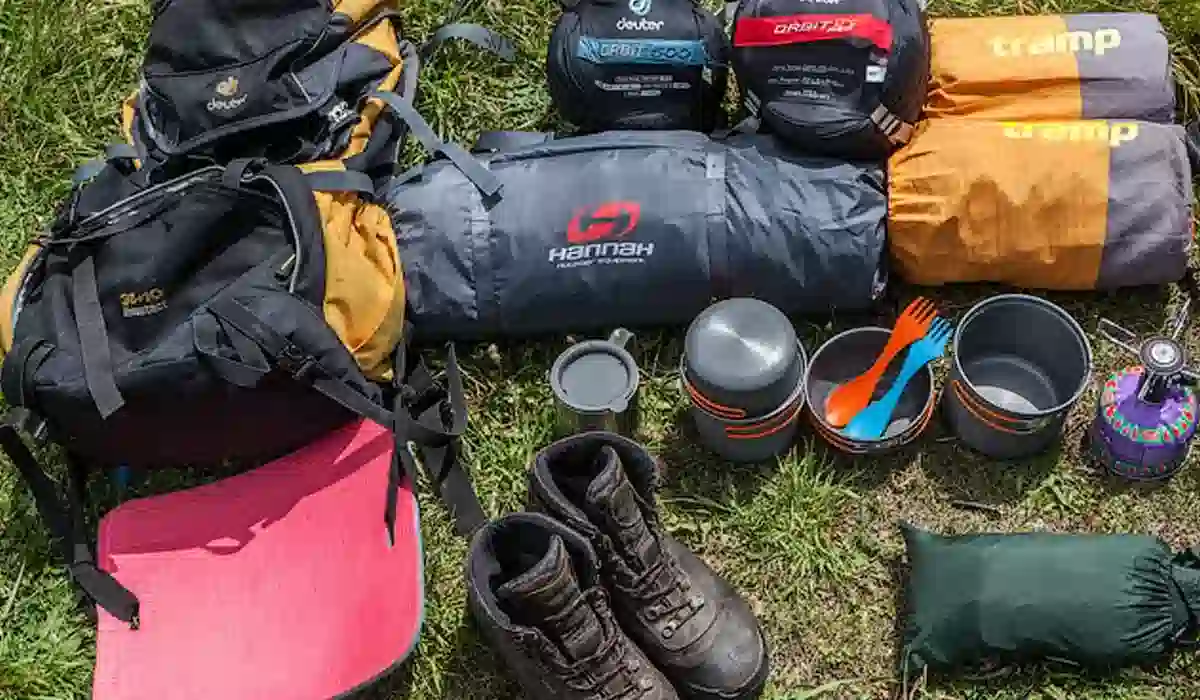 Another crucial realization is how unpredictable the mountain’s climate can be. Mount Kilimanjaro National Park contains multiple ecological zones, and each one feels like a different world. You may start your trek in warm, humid rainforest conditions and end it in freezing, arctic temperatures at the summit. Before climbing, I assumed a standard packing list would suffice, but I quickly understood that layering is everything. Temperatures can swing drastically within a single day, and being properly equipped with thermal layers, waterproof gear, and insulated clothing can make the difference between comfort and misery.
Something else I wish I had fully appreciated is how mentally demanding the climb can be. Physical fatigue is expected, but the psychological challenge of pushing forward when you are cold, tired, and oxygen-deprived is something else entirely. Summit night, in particular, is an intense test of willpower. You begin hiking in the dark, often around midnight, facing freezing temperatures and a steep ascent. Progress feels painfully slow, and every step requires effort. It’s during these hours that doubt creeps in. What I didn’t expect was how much mental resilience matters—staying positive, focusing on small goals, and trusting the process becomes just as important as physical ability.
Hydration and nutrition are also areas I underestimated. At high altitude, your appetite often decreases, yet your body needs more energy than ever. Drinking plenty of water is critical for acclimatization, but it can feel like a chore when you’re not thirsty. I wish I had known how important it is to force yourself to eat and drink regularly, even when you don’t feel like it. Simple habits like carrying snacks you actually enjoy and setting reminders to drink water can have a significant impact on your performance and recovery during the trek.
Another aspect that surprised me was the importance of choosing the right route and itinerary. Not all Kilimanjaro routes are equal—some are shorter and steeper, offering less time for acclimatization, while others are longer and more gradual. Before climbing, it’s tempting to choose a shorter route to save time and money, but this can significantly reduce your chances of reaching the summit. I learned that giving yourself extra days on the mountain greatly improves acclimatization and overall success rates. In hindsight, prioritizing a longer itinerary is one of the best decisions you can make.
 I also wish I had understood just how important the support team is. Climbing Kilimanjaro is not a solo endeavor—you are accompanied by guides, porters, and cooks who make the entire experience possible. These teams are incredibly experienced and play a crucial role in your safety and comfort. They monitor your health, set the pace, prepare meals, and encourage you when things get tough. Realizing how much effort they put into every climb gave me a deeper appreciation for their work, and it’s important to treat them with respect and ensure they are fairly compensated.
Finally, what I didn’t fully anticipate was the emotional impact of reaching the summit. Standing on Uhuru Peak, the highest point in Africa, is more than just a physical achievement—it’s a deeply personal moment. After days of effort, discomfort, and determination, the sense of accomplishment is overwhelming. But it’s not just about the summit; it’s about the journey—the people you meet, the landscapes you pass through, and the limits you push within yourself. Looking back, I realized that preparation is not just about gear and fitness; it’s about mindset, patience, and respect for the mountain.
Climbing Mount Kilimanjaro is an unforgettable experience, but it’s one that demands preparation, humility, and awareness. Knowing these lessons beforehand doesn’t make the climb easy—but it makes it far more manageable, enjoyable, and ultimately successful.