
Is It Dangerous to Climb Kilimanjaro?
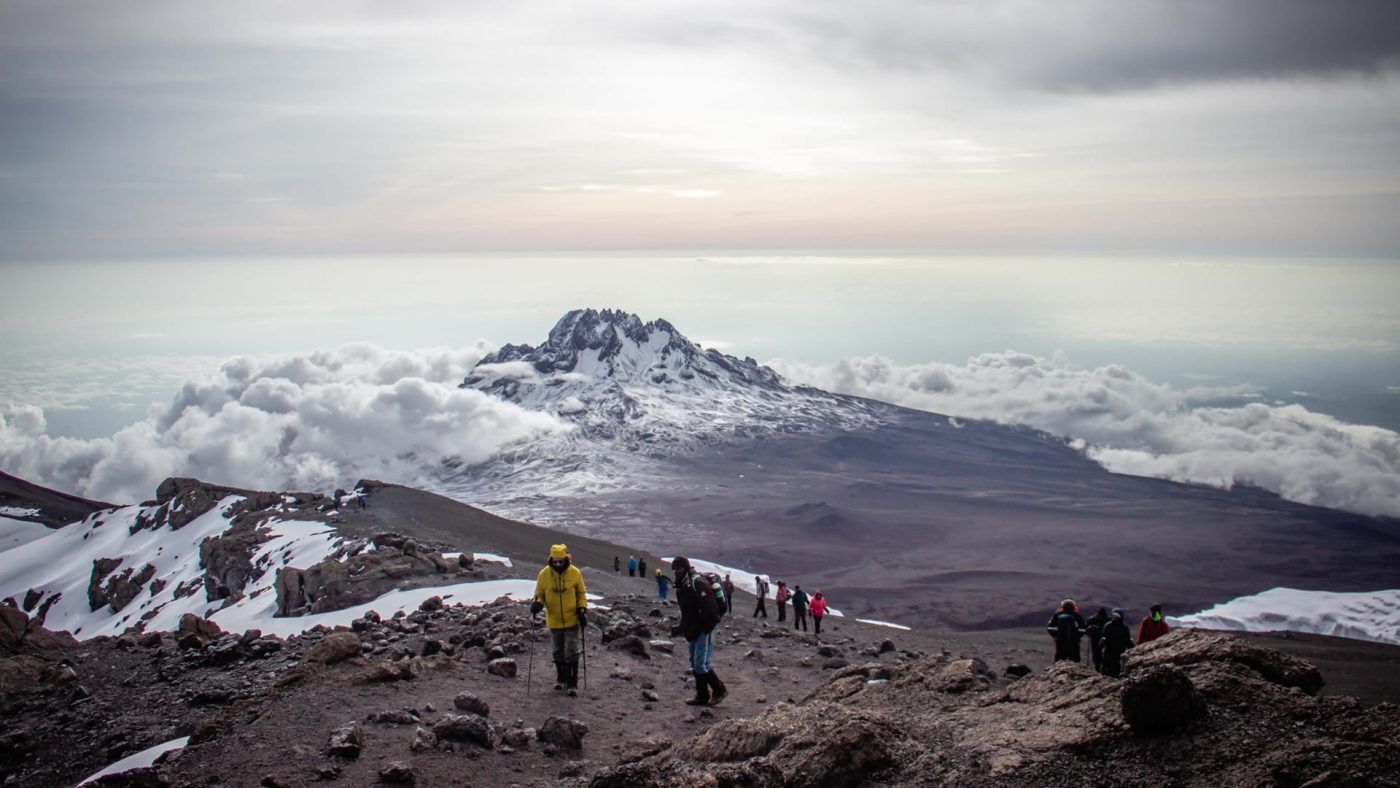
Is It Dangerous to Climb Kilimanjaro, Mount Kilimanjaro is one of the world’s most famous mountains and a dream destination for thousands of adventurers every year. Standing at 5,895 meters (19,341 feet) above sea level, it is the highest mountain in Africa and the tallest free-standing mountain on Earth. Unlike many high-altitude peaks that require technical climbing skills, Kilimanjaro can be climbed by ordinary hikers with determination, preparation, and the right guidance.
However, one question frequently arises among aspiring climbers: Is it dangerous to climb Kilimanjaro? The response is both yes and no. While Kilimanjaro is considered one of the more accessible high mountains in the world, it still presents several risks that should not be underestimated. Understanding these dangers and preparing properly can make the difference between a successful summit and a difficult experience.
 Understanding the Risks of Kilimanjaro
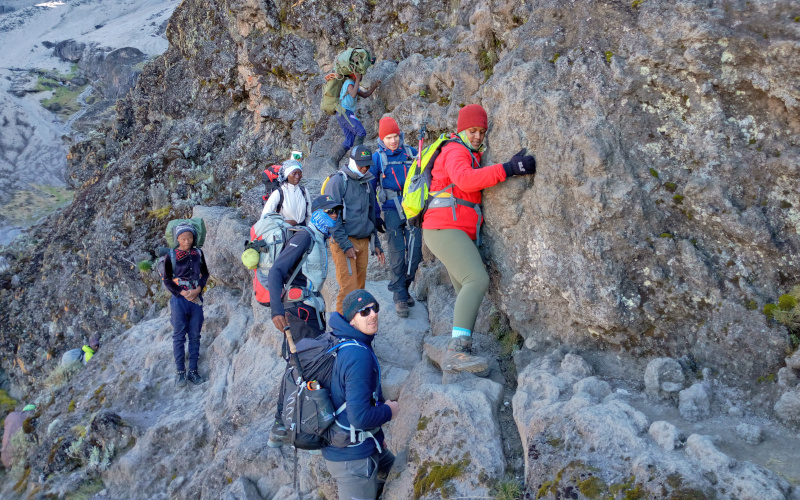
The most common misperception about Kilimanjaro is that it’s “just a hike.” Standard routes don’t require ropes or specialized climbing gear, although the mountain’s high height poses significant difficulties.
Every year, tens of thousands of people attempt the climb, and the vast majority complete it safely. However, accidents and medical emergencies do occur. The mountain’s dangers are primarily related to altitude, weather conditions, physical fitness, and poor preparation.
Altitude Sickness: The Greatest Threat
Altitude sickness is by far the most significant danger on Kilimanjaro. As climbers ascend higher, the air contains less oxygen. The body must adapt to these lower oxygen levels, but not everyone acclimatizes at the same rate.
Common symptoms of altitude sickness include:
- Headaches
- Nausea
- Dizziness
- Fatigue
- Loss of appetite
- Difficulty sleeping

In severe cases, climbers can develop life-threatening conditions such as High Altitude Pulmonary Edema (HAPE) or High Altitude Cerebral Edema (HACE). Immediate medical intervention and descending are necessary for these cases.
One reason altitude sickness is so common on Kilimanjaro is the speed of ascent. Climbers move from tropical forests to near-arctic conditions in just a few days. This rapid gain in elevation gives the body limited time to adjust.
The good news is that altitude-related risks can be reduced significantly by choosing longer routes, staying hydrated, moving slowly, and following the guidance of experienced mountain guides.
Unpredictable Weather Conditions
Another challenge on Kilimanjaro is its rapidly changing weather. The mountain contains multiple climate zones, ranging from warm rainforests at the base to icy alpine deserts and glaciers near the summit.
A climber may start the day in sunshine and end it battling freezing temperatures and strong winds. Summit night is particularly challenging. Temperatures can drop well below freezing, and wind chill can make conditions feel even colder.
- Without proper clothing, climbers may experience:
- Hypothermia
- Frostbite
- Severe discomfort
- Reduced physical performance
- Layered clothing, insulated jackets, gloves, and proper footwear are essential for staying safe throughout the expedition.
Physical Exhaustion and Fatigue
Climbing Kilimanjaro is physically demanding, even though technical climbing skills are not required. Most routes involve hiking for five to nine days, often for several hours each day.
The final summit push is usually the toughest part of the journey. Climbers often begin around midnight and hike through darkness, cold temperatures, and thin air for six to eight hours before reaching the summit
Fatigue can affect decision-making, balance, and motivation. Those who arrive without adequate preparation may struggle significantly during the ascent.
Regular cardiovascular exercise, hiking practice, and strength training before the trip can greatly improve the chances of success and reduce physical risks.
Slips, Falls, and Minor Injuries
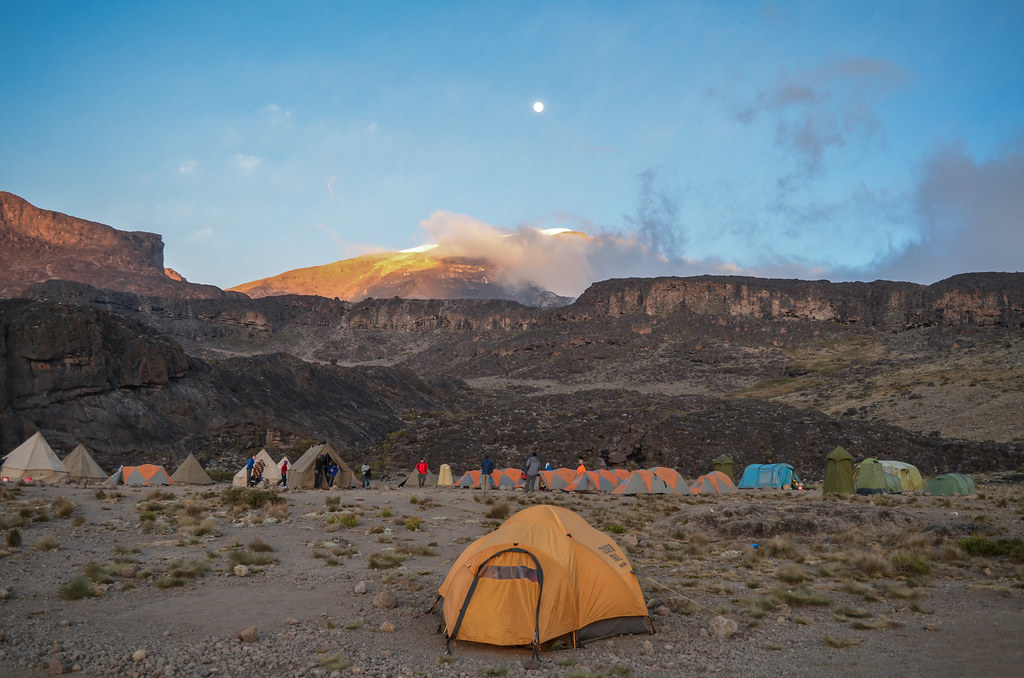
Although Kilimanjaro is not considered a technical mountain, slips and falls can still happen. Some sections contain loose gravel, rocky paths, steep inclines, and uneven terrain.
- Minor injuries such as:
- Sprained ankles
- Cuts and bruises
- Blisters
- Muscle strains
- are relatively common among climbers.
- Proper hiking boots with good ankle support, trekking poles, and careful footing can help prevent most accidents.
Mental Challenges on the Mountain
Many people underestimate the psychological difficulty of climbing Kilimanjaro. Long days of hiking, physical exhaustion, cold temperatures, and reduced oxygen levels can test mental resilience.
Summit night is often described as the most challenging part of the journey. Climbers may feel discouraged, exhausted, or emotional as they push toward the peak.
Maintaining a positive attitude, focusing on small goals, and relying on support from guides and fellow climbers can help overcome these mental obstacles.
How Safe Is Kilimanjaro Compared to Other Mountains?
Compared with famous peaks such as Everest, Denali, or Aconcagua, Kilimanjaro is significantly safer. Climbers do not face technical ice climbing, avalanche zones, crevasses, or extreme mountaineering hazards found on many high mountains.
Professional guiding services, established routes, and strict safety regulations also contribute to the mountain’s relatively good safety record.
However, “safer” does not mean “safe.” Every mountain deserves respect, and Kilimanjaro’s altitude alone makes it a serious undertaking.
Tips for Staying Safe on Kilimanjaro
To minimize risks and maximize enjoyment, climbers should follow several important safety guidelines:
Choose a Longer Route
Routes lasting seven to nine days allow better acclimatization and improve summit success rates.
Stay Hydrated
Drinking plenty of water helps the body adapt to altitude and reduces the likelihood of dehydration-related problems.
Walk Slowly
The term “pole pole,” which translates as “slowly” in Swahili, is frequently used by guides. Slowing down promotes better acclimation and energy conservation.
Listen to Your Body
Ignoring altitude sickness symptoms might be risky. Climbers should report any concerning symptoms to their guides immediately.
Train Before the Trip
Cardiovascular fitness and hiking experience can make the climb significantly easier and safer.
Pack Proper Equipment
Quality clothing, boots, sleeping gear, and trekking poles are essential for comfort and safety.
Choose a Reputable Tour Operator
Experienced operators provide trained guides, medical equipment, safety protocols, and proper support throughout the climb.
Final Verdict
Climbing Kilimanjaro does involve real risks, but it is not considered an extremely dangerous mountain when approached responsibly. The greatest threat is altitude sickness, followed by weather-related challenges and physical exhaustion. Fortunately, these risks can be managed through proper preparation, gradual acclimatization, good fitness, and professional guidance.
For most healthy individuals, Kilimanjaro is an achievable adventure rather than a dangerous gamble. Thousands of climbers successfully reach the summit every year and return with unforgettable memories. The key is to respect the mountain, prepare thoroughly, and prioritize safety over speed.
In the end, Kilimanjaro is less about conquering a mountain and more about overcoming personal challenges. With the right mindset and preparation, the journey can be both safe and life-changing.