
Is It Dangerous to Climb Mount Kilimanjaro?
Is It Dangerous to Climb Mount Kilimanjaro, For many adventure travelers, climbing Mount Kilimanjaro represents far more than simply reaching the highest point in Africa. The mountain has become a symbol of personal achievement, resilience, and exploration, attracting thousands of trekkers from around the world every year who dream of standing on its snow-capped summit and witnessing the sunrise from nearly 6,000 meters above sea level. Unlike technical mountains that require years of mountaineering experience, Kilimanjaro offers ordinary travelers the opportunity to tackle one of the world’s most famous peaks without needing ropes, crampons, or advanced climbing skills. However, the mountain’s accessibility often leads to an important question among first-time climbers: Is it dangerous to climb Mount Kilimanjaro?
The answer is more nuanced than a simple yes or no. While Kilimanjaro is considered one of the most achievable high-altitude mountains in the world, it is by no means a risk-free adventure. Every year, climbers encounter challenges ranging from altitude sickness and extreme weather conditions to physical exhaustion and dehydration. The reality is that Kilimanjaro’s greatest dangers are often invisible, making them more difficult to recognize than the obvious hazards associated with technical mountaineering. Understanding these risks before beginning the journey is essential for anyone hoping to complete the trek safely and successfully.
The Greatest Threat on Kilimanjaro Is Not the Terrain but the Altitude
One of the biggest misconceptions surrounding Mount Kilimanjaro is that the climb is easy simply because it does not require technical climbing skills. In reality, the mountain’s most significant challenge comes from its elevation rather than its terrain. As climbers ascend toward Uhuru Peak, the amount of oxygen available in the atmosphere gradually decreases, forcing the body to adapt to increasingly demanding conditions. This process, known as acclimatization, occurs at different rates for different individuals, which means that even highly fit athletes can struggle with altitude while less athletic climbers may adapt relatively well.
The effects of altitude can begin to appear at elevations well below the summit. Many trekkers experience headaches, fatigue, nausea, dizziness, and difficulty sleeping during the climb. Although these symptoms are often mild, they should never be ignored because they can indicate the early stages of altitude sickness. The danger lies in the fact that altitude-related illnesses can progress rapidly if a climber continues ascending without giving their body sufficient time to adjust.
In more severe cases, climbers may develop life-threatening conditions such as High Altitude Pulmonary Edema (HAPE) or High Altitude Cerebral Edema (HACE). Both conditions require immediate descent and medical intervention, which is why experienced guides continuously monitor the health of trekkers throughout the expedition. The good news is that most serious altitude-related incidents can be avoided through proper acclimatization, gradual ascent schedules, and a willingness to prioritize safety over reaching the summit.
 Unpredictable Weather Creates Additional Challenges
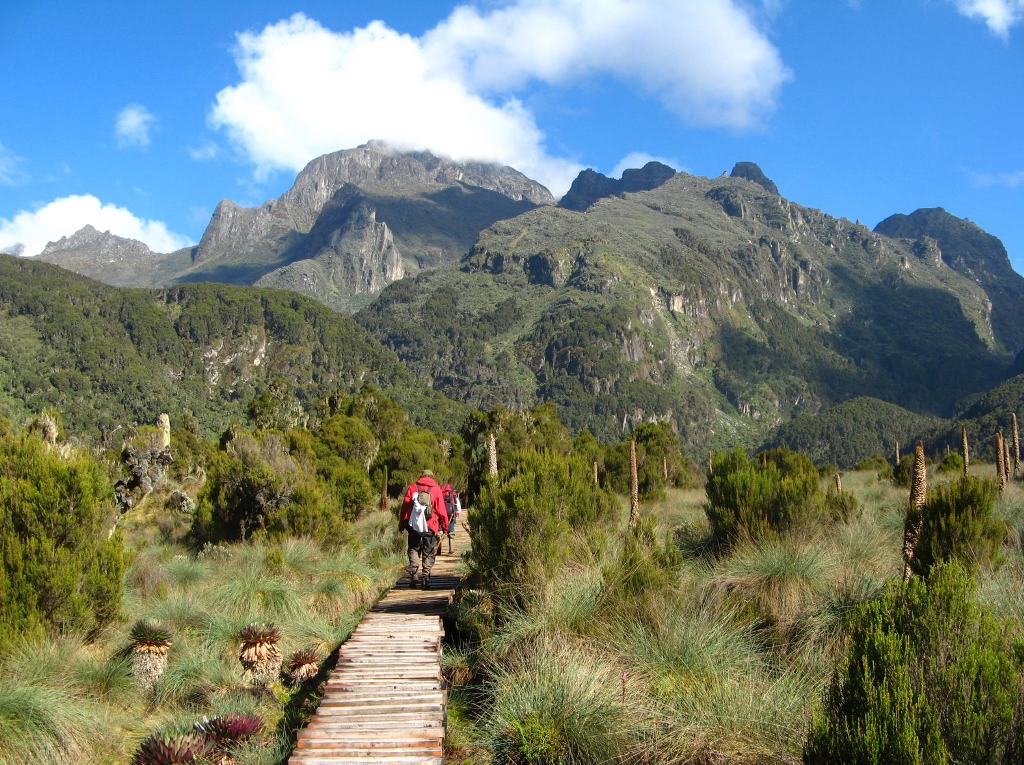
Another factor that contributes to the risks associated with climbing Kilimanjaro is the mountain’s remarkably diverse climate. During the course of a single trek, climbers pass through multiple ecological zones that differ dramatically in temperature, humidity, and weather patterns. The journey often begins in warm rainforest conditions where temperatures are comfortable and vegetation is abundant, yet within a matter of days’ trekkers may find themselves crossing barren alpine deserts before eventually entering an arctic-like environment near the summit.
This dramatic variation in climate means that weather conditions can change unexpectedly and sometimes become severe. Heavy rainfall, freezing temperatures, strong winds, and reduced visibility are all common occurrences on the mountain, particularly during certain seasons. Climbers who underestimate these conditions may find themselves struggling with hypothermia, frostbite, or significant discomfort that affects their ability to continue safely.
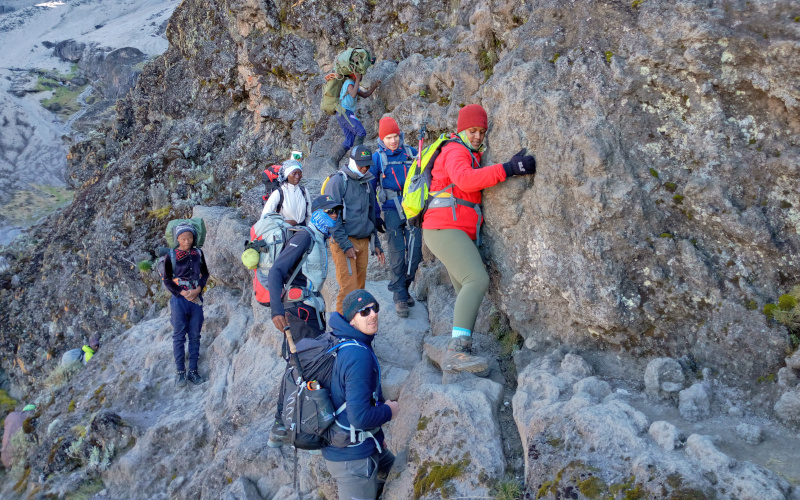
The summit attempt is especially demanding because it usually begins shortly after midnight when temperatures are at their lowest. At this stage, climbers are already fatigued from several days of trekking and must endure freezing winds while navigating steep, rocky terrain in darkness. Proper preparation, including layered clothing systems and high-quality equipment, plays a crucial role in reducing these weather-related risks.
Physical and Mental Endurance Are Equally Important
Although many discussions about Kilimanjaro focus primarily on altitude, the physical demands of the trek should not be underestimated. Most routes require participants to hike for five to nine consecutive days, covering significant distances while ascending thousands of meters in elevation. The cumulative effects of continuous hiking, limited sleep, changing weather conditions, and reduced oxygen levels can place considerable strain on both the body and the mind.
The summit night is often described as the most difficult portion of the entire expedition. After only a few hours of rest, climbers begin their final ascent in darkness and spend several hours moving slowly uphill in freezing temperatures. The combination of exhaustion, altitude, and cold weather creates a uniquely challenging environment that tests determination as much as physical fitness.
Mental resilience therefore becomes just as important as physical preparation. Climbers who maintain a positive attitude, pace themselves appropriately, and remain focused on gradual progress often perform better than individuals who rely solely on fitness. Kilimanjaro is frequently described as a mountain where patience and persistence are more valuable than speed.
Can Beginners Safely Climb Kilimanjaro?
One of the reasons Kilimanjaro remains so popular is that it is accessible to beginners who have never climbed a major mountain before. Thousands of first-time trekkers successfully reach the summit each year, demonstrating that previous mountaineering experience is not a requirement. However, accessibility should never be mistaken for simplicity. Success on Kilimanjaro depends largely on preparation, route selection, and adherence to safety guidelines.
Beginners who invest time in cardiovascular training, hiking practice, and strength conditioning generally enjoy a more comfortable experience on the mountain. Choosing a longer route that allows for better acclimatization can also dramatically increase the likelihood of both safety and summit success. In many cases, climbers who rush the ascent are far more likely to experience altitude-related problems than those who allow their bodies sufficient time to adapt.
Final Remarks: Is Climbing Mount Kilimanjaro Dangerous?
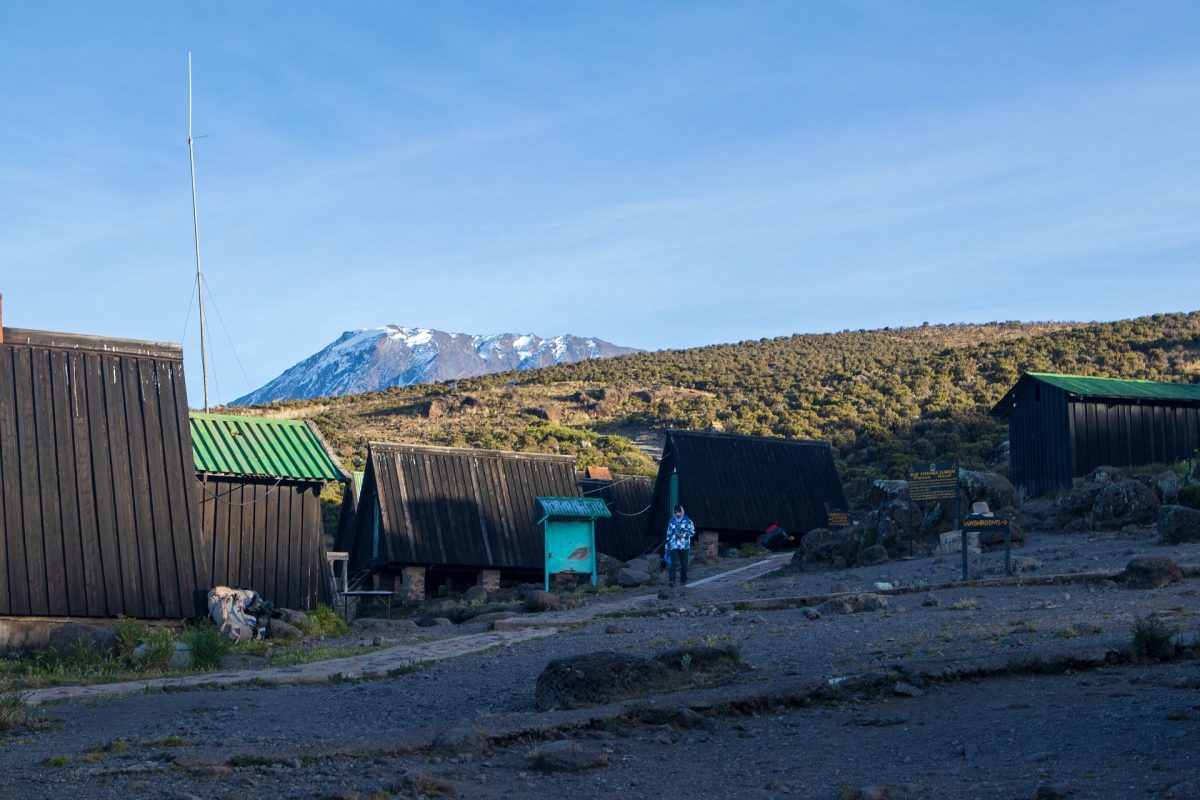
Climbing Mount Kilimanjaro undoubtedly involves real risks, and anyone considering the adventure should approach it with a clear understanding of the challenges involved. High altitude, rapidly changing weather conditions, physical exhaustion, and potential health complications all contribute to the mountain’s difficulty. Nevertheless, Kilimanjaro is not inherently dangerous for individuals who prepare thoroughly, follow professional guidance, and respect the mountain’s demands.
The vast majority of climbers who approach the expedition responsibly complete their journey without experiencing serious problems. Rather than viewing Kilimanjaro as a dangerous mountain, it is more accurate to see it as a demanding environment that rewards preparation, patience, and good decision-making. For those willing to invest the necessary effort before and during the climb, standing on the summit of Africa’s highest peak can be one of the most rewarding and unforgettable achievements of a lifetime.