
When Is the Best Time to Hike Mount Kilimanjaro?
When Is the Best Time to Hike Mount Kilimanjaro, Mount Kilimanjaro is one of the world’s most iconic trekking destinations. Rising 5,895 meters (19,341 feet) above sea level, it is Africa’s highest mountain and attracts thousands of adventurers every year. Unlike many of the world’s tallest peaks, Kilimanjaro can be climbed without technical mountaineering skills, making it accessible to a wide range of hikers. However, choosing the right time to hike is one of the most important decisions that can influence your overall experience and chances of reaching the summit.
The weather on Kilimanjaro changes throughout the year, and each season offers unique advantages and challenges. Understanding these seasonal variations will help you plan a safer, more enjoyable, and more successful trek.
Understanding Kilimanjaro’s Climate
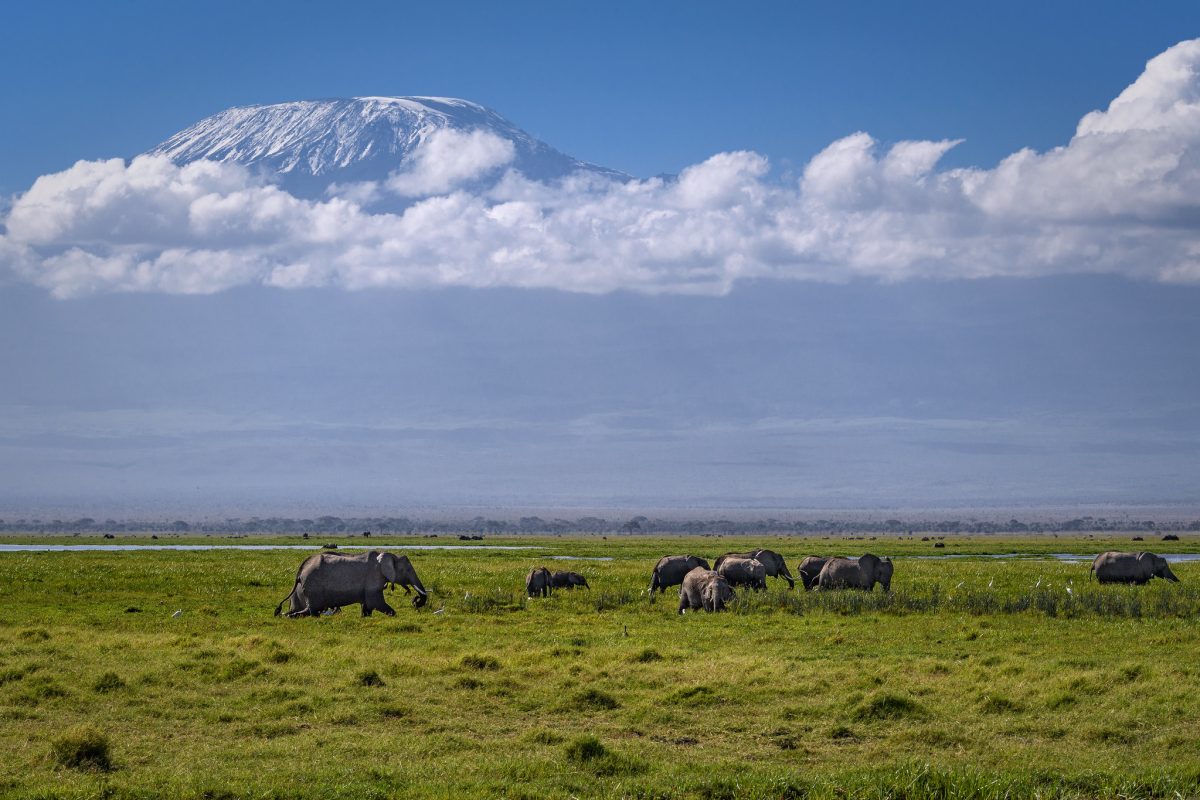
Because Mount Kilimanjaro is located near the equator, many people assume it experiences the same weather year-round. In reality, the mountain has distinct wet and dry seasons. Climbers pass through several ecological zones during the ascent, ranging from tropical rainforest at the base to alpine desert and icy conditions near the summit.
Temperatures can vary significantly depending on altitude. While the lower slopes may feel warm and humid, summit temperatures often fall well below freezing. Rainfall patterns also play a major role in determining the best months to climb.
The Best Time to Hike Kilimanjaro
Most experienced guides and trekking operators agree that the best time to hike Mount Kilimanjaro is during the dry seasons:
January to March
The first favorable climbing season runs from January through March. During these months, weather conditions are generally stable, with less rainfall compared to the wet seasons.
One of the biggest advantages of climbing during this period is the relatively lower number of trekkers. Trails are often less crowded, allowing hikers to enjoy a more peaceful experience. The mountain scenery is also spectacular, with clear skies offering excellent views of the surrounding landscape.

Temperatures tend to be slightly cooler than during the middle of the year, especially at higher elevations. While the nights can be cold, many climbers appreciate the quieter atmosphere and improved photography opportunities.
January and February are particularly popular because they combine favorable weather with moderate trail traffic. These months are often considered ideal for climbers seeking a balance between good conditions and fewer crowds.
June to October
The second major climbing season occurs between June and October. This is generally regarded as the most popular period for hiking Kilimanjaro.
Following the long rainy season, the trails become drier and more accessible. Visibility is often excellent, making it easier to enjoy panoramic views during the trek. Many climbers choose this season because weather conditions are typically predictable and conducive to summit success.
July, August, and September attract the highest number of visitors. International travelers often schedule their climbs during summer holidays, resulting in busier routes and more crowded campsites. While some hikers enjoy the social atmosphere, others may prefer quieter months.
Despite the increased number of trekkers, this period remains one of the safest and most reliable times to climb due to the reduced likelihood of heavy rainfall.
Months to Approach with Caution
April and May
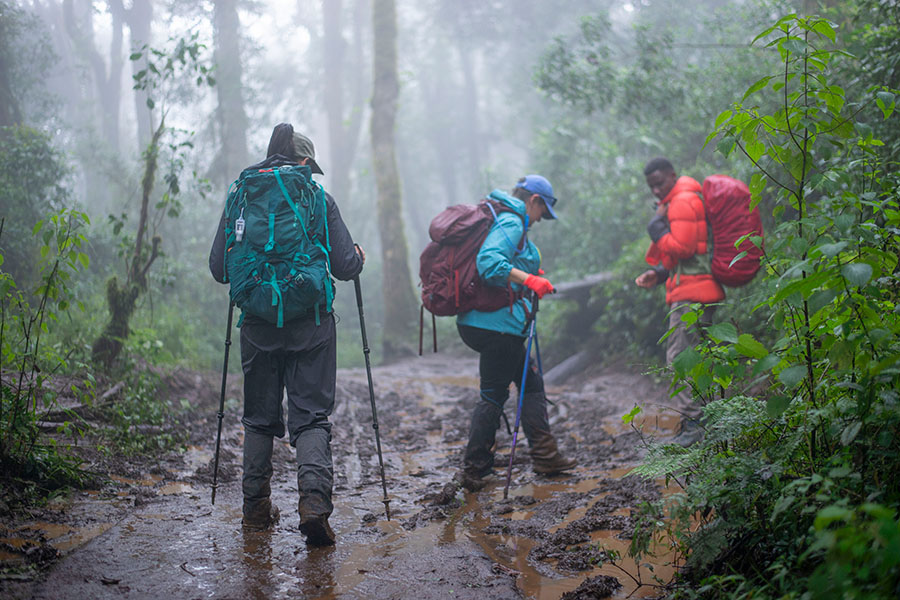
April and May mark the long rainy season on Mount Kilimanjaro. These months are generally considered the most challenging time to climb.
Heavy rainfall can make trails muddy, slippery, and difficult to navigate. Visibility may be limited, reducing opportunities to enjoy the mountain’s famous views. Wet conditions can also affect comfort levels, especially during multi-day treks.
Some climbers intentionally choose this period because there are fewer tourists on the mountain. However, the increased likelihood of rain and challenging trail conditions often outweigh the benefits for most hikers.
Unless you are highly flexible and comfortable trekking in wet weather, April and May may not be the ideal months for your Kilimanjaro adventure.
November
November brings the short rainy season. Although rainfall is generally lighter than during April and May, weather patterns can still be unpredictable.
Trekkers may experience intermittent showers, cloudy conditions, and occasional trail challenges. However, the mountain is usually less crowded than during the peak climbing months.
For travelers seeking a quieter experience and willing to accept some weather uncertainty, November can still be a viable option. Proper rain gear and preparation are essential.
Factors Beyond Weather
While weather is a major consideration, several other factors can influence the best time for your climb.
Crowd Levels
If you prefer solitude and a more intimate mountain experience, January, February, early March, and late October may be better choices. These periods generally attract fewer climbers than the peak months of July and August.
Conversely, if you enjoy meeting fellow adventurers from around the world, the busiest months may enhance your experience.
Photography Opportunities
Clear skies and good visibility are important for photographers. The dry seasons typically provide the best conditions for capturing stunning landscapes, sunrise views, and summit photos.
The snow-capped summit, glaciers, and dramatic cloud formations can create unforgettable images when weather conditions cooperate.
Wildlife and Scenery
The lower slopes of Kilimanjaro feature lush forests that support a variety of wildlife, including monkeys and colorful bird species. During certain times of the year, vegetation appears especially vibrant due to recent rainfall.
Although the summit remains the primary goal for most climbers, the changing scenery throughout the trek is one of Kilimanjaro’s most remarkable features.
Choosing the Right Route
The time of year should also influence your route selection. Some routes perform better during certain seasons.
For example, routes known for their scenic beauty and gradual acclimatization profiles often remain popular year-round. During wetter periods, routes with better drainage may provide a more comfortable trekking experience.
Working with an experienced operator can help you select the route that best matches seasonal conditions and your fitness level.
Tips for a Successful Kilimanjaro Climb
Regardless of when you choose to hike, preparation is essential.
First, prioritize physical fitness. Kilimanjaro is a non-technical climb, but it is still physically demanding. Regular cardiovascular exercise and hiking practice can significantly improve your experience.
Second, allow sufficient time for acclimatization. Altitude sickness is one of the most common reasons climbers fail to reach the summit. Choosing a longer itinerary often increases your chances of success.
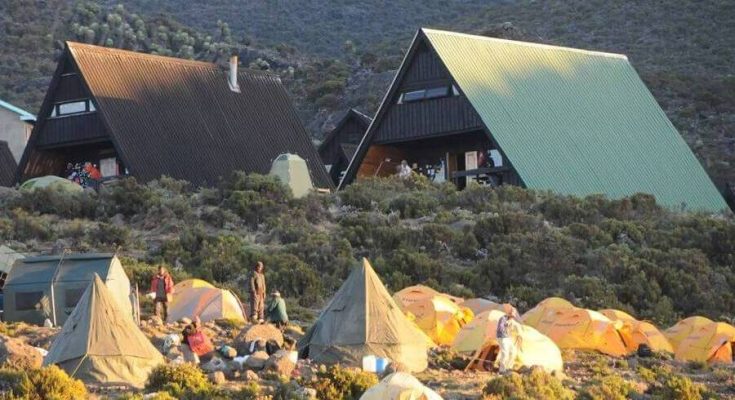
Third, invest in quality gear. Layered clothing, waterproof equipment, sturdy hiking boots, and proper cold-weather protection are critical for comfort and safety.
Final Thoughts
The best time to hike Mount Kilimanjaro is generally during the dry seasons of January to March and June to October. These periods offer the most favorable weather, clearer skies, and better trail conditions. Among them, January, February, and September are often considered standout months due to their excellent balance of good weather and manageable crowd levels.
Ultimately, the ideal climbing season depends on your personal preferences. Some hikers prioritize clear weather and summit success, while others seek solitude and a more peaceful experience. By understanding Kilimanjaro’s seasonal patterns and preparing carefully, you can maximize your chances of enjoying a memorable journey to the Roof of Africa.
Whether you choose the cool months of early year or the popular dry season in mid-year, a Kilimanjaro trek promises an adventure that will remain with you for a lifetime.