
Can a Beginner Climb Mount Kilimanjaro?
Can a Beginner Climb Mount Kilimanjaro, Mount Kilimanjaro is one of the most iconic mountains in the world, attracting thousands of adventurers every year. Rising to an impressive height of 5,895 meters (19,341 feet), it stands as the highest mountain in Africa and the tallest free-standing mountain on Earth. For many travelers, reaching the summit of Kilimanjaro is a lifelong dream. However, a common question often arises before planning the journey: can a beginner climb Mount Kilimanjaro?
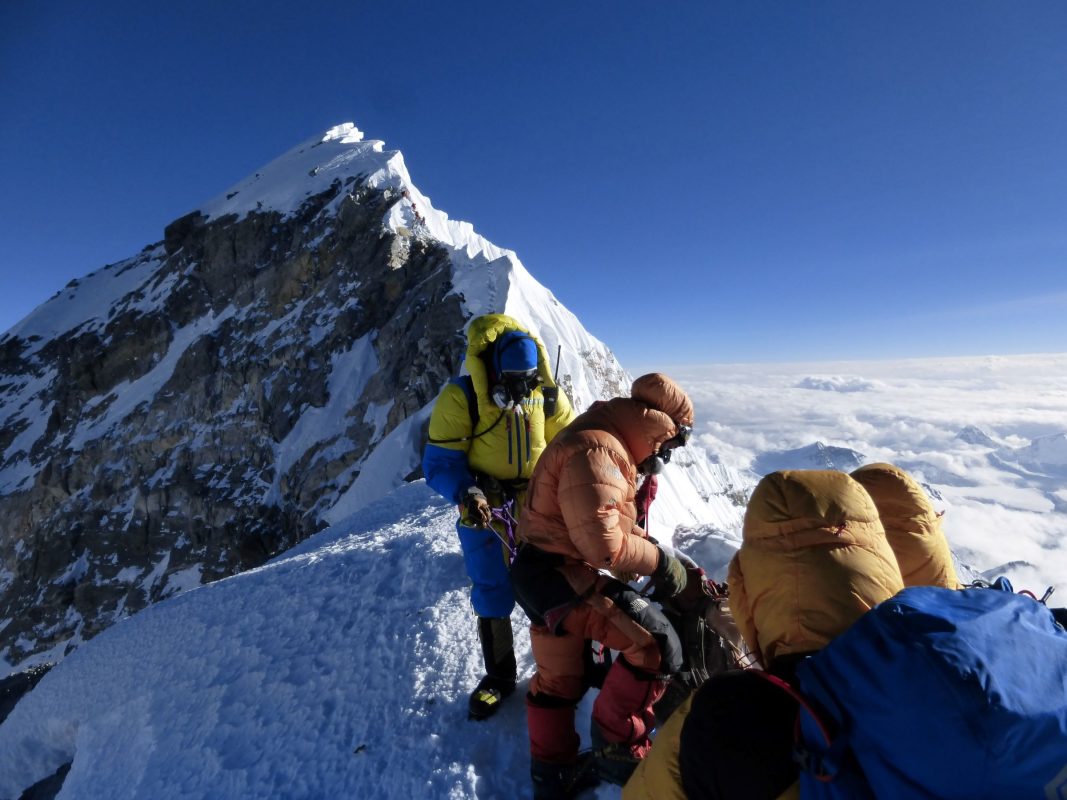
The simple answer is yes. Unlike many high-altitude mountains that require advanced technical climbing skills, Mount Kilimanjaro can be climbed by beginners with proper preparation, determination, and guidance. Although the trek is physically demanding, thousands of first-time hikers successfully reach the summit every year. Understanding what the climb involves and preparing accordingly can significantly increase the chances of success.
Why Mount Kilimanjaro Is Suitable for Beginners
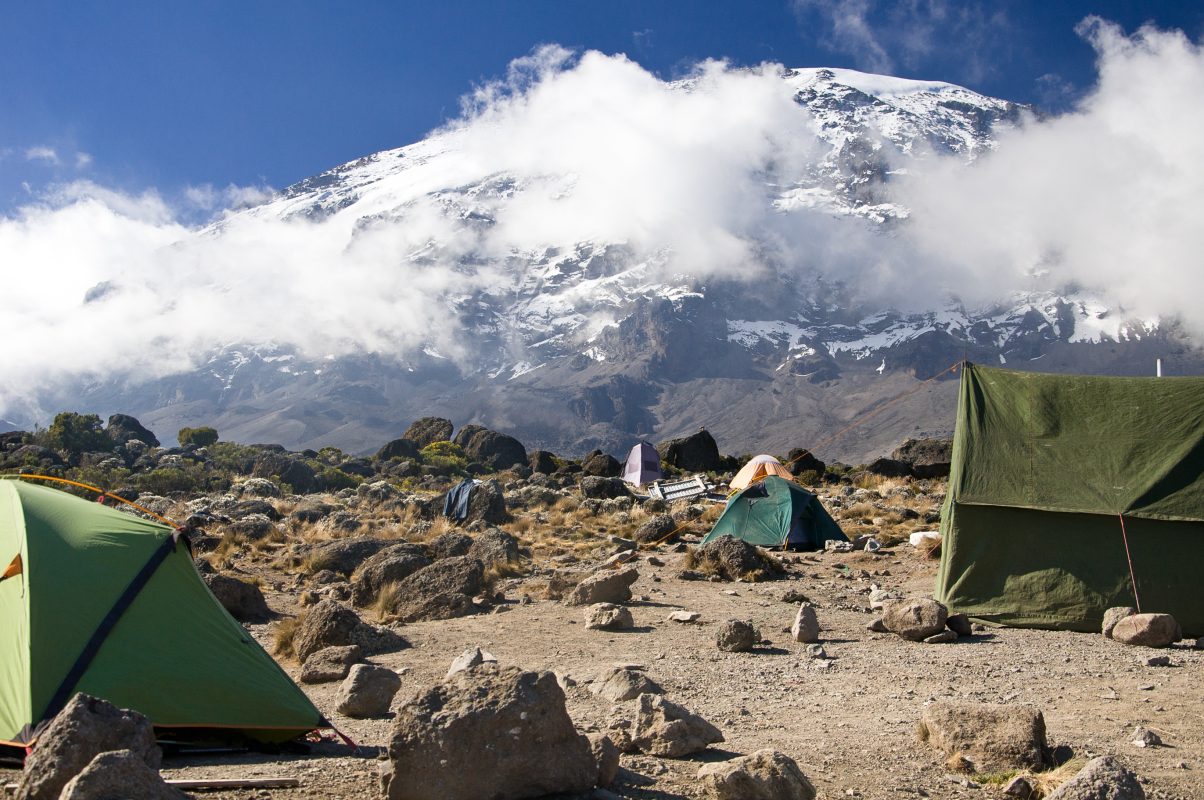
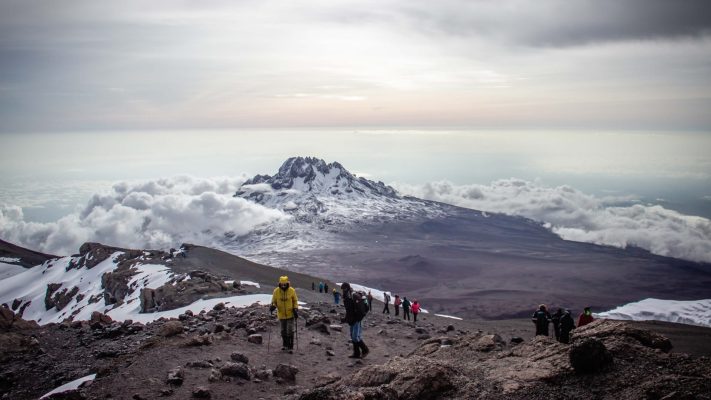
One of the main reasons Kilimanjaro is considered beginner-friendly is that it does not require technical mountaineering experience. Climbers do not need ropes, ice axes, harnesses, or specialized climbing techniques to reach the summit. The routes mainly involve walking on established trails through diverse landscapes, including rainforests, moorlands, alpine deserts, and arctic summit zones.
While the trek is challenging, the difficulty comes primarily from altitude and endurance rather than technical climbing skills. This makes Kilimanjaro an attractive option for individuals who have little or no previous mountain climbing experience but are willing to train and prepare properly.
Understanding the Real Challenge: Altitude
Although beginners can climb Kilimanjaro, it is important not to underestimate the mountain. The biggest obstacle is altitude sickness, which can affect anyone regardless of age, fitness level, or hiking experience.
As climbers ascend, oxygen levels decrease significantly. This reduction in available oxygen can lead to symptoms such as headaches, nausea, dizziness, fatigue, and difficulty sleeping. In severe cases, altitude sickness can become dangerous.
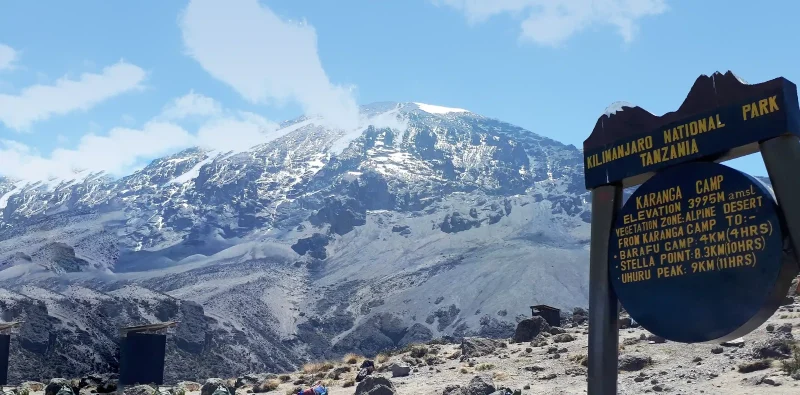
To reduce the risk, most tour operators recommend routes that allow gradual acclimatization. Spending additional days on the mountain increases the body’s ability to adjust to higher elevations and improves summit success rates. Beginners often benefit from choosing longer routes rather than attempting to reach the summit as quickly as possible.
 How Fit Should a Beginner Be?
Many people assume they need to be elite athletes to climb Kilimanjaro, but that is not necessarily true. Average fitness combined with consistent preparation is often enough to complete the trek successfully.
A beginner should focus on improving cardiovascular endurance, leg strength, and overall stamina before the climb. Activities such as hiking, jogging, cycling, swimming, and stair climbing can help prepare the body for long days of walking at high altitude.
Training should ideally begin several months before departure. Regular exercise sessions that gradually increase in intensity can make the experience more enjoyable and reduce physical strain during the climb.
Choosing the Best Route for First-Time Climbers
Selecting the right route is one of the most important decisions for beginners. Kilimanjaro offers several routes, each with different levels of difficulty, scenery, and acclimatization opportunities.
The Lemosho Route is often considered one of the best options for first-time climbers because it provides excellent acclimatization and stunning scenery. The Machame Route is another popular choice, offering beautiful landscapes and a relatively high summit success rate.
The Rongai Route is known for its gradual ascent and quieter trails, making it appealing to beginners who prefer a less crowded experience. On the other hand, shorter routes such as Marangu may seem attractive due to lower costs and fewer days, but they often have lower success rates because climbers have less time to adapt to the altitude.
Mental Preparation Is Just as Important
Physical fitness alone does not guarantee success on Kilimanjaro. Mental resilience plays a crucial role throughout the journey. Climbers often face cold temperatures, fatigue, changing weather conditions, and the psychological challenge of hiking for multiple consecutive days.
Summit night is particularly demanding. Most climbers begin their final ascent around midnight and hike for several hours in darkness while dealing with freezing temperatures and thin air. Maintaining a positive mindset and focusing on one step at a time can make a significant difference during these challenging moments.
Many successful climbers describe mental determination as one of the key factors that helped them reach the summit.
Essential Gear for Beginner Climbers
Having the right equipment can greatly improve comfort and safety during the trek. While expensive gear is not always necessary, investing in quality essentials is highly recommended.
A beginner should prioritize sturdy hiking boots that have been properly broken in before the trip. Layered clothing is essential because temperatures vary dramatically between lower and higher elevations. Moisture-wicking base layers, insulating mid-layers, and waterproof outer layers help regulate body temperature in changing conditions.
Other important items include a warm sleeping bag, trekking poles, gloves, a headlamp, sunglasses, sunscreen, and a hydration system. Proper gear reduces discomfort and allows climbers to focus on enjoying the experience.
The Importance of Hiring Experienced Guides
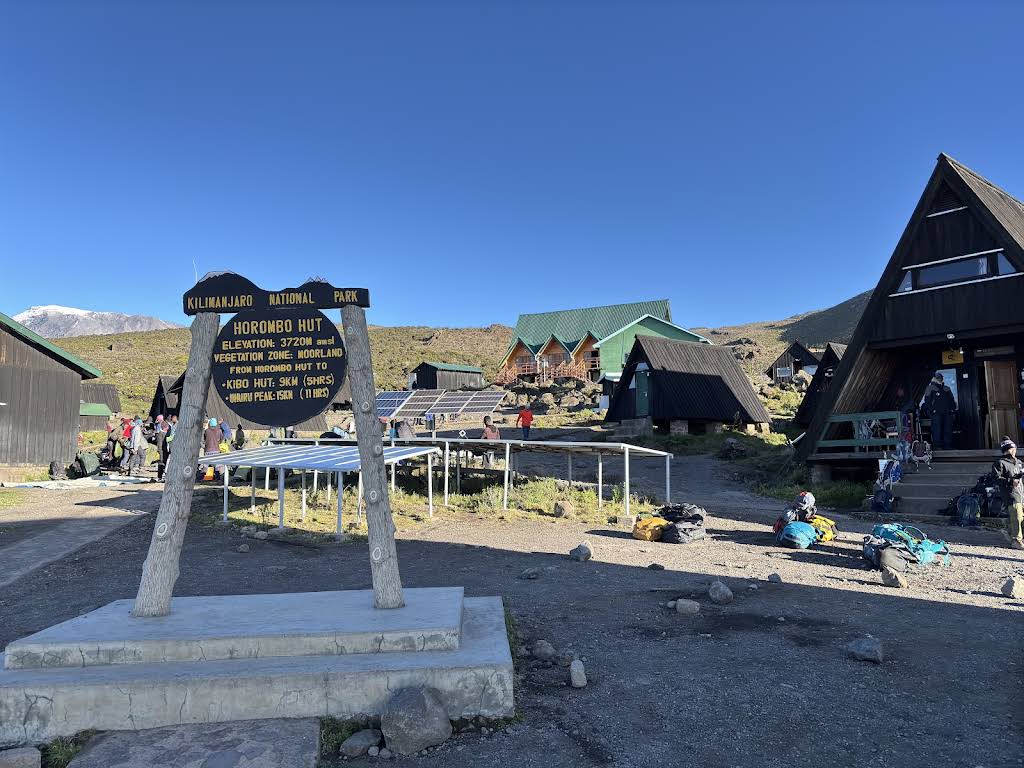
All Kilimanjaro climbers must be accompanied by licensed guides, which is a significant advantage for beginners. Professional guides monitor climbers’ health, pace, and acclimatization throughout the expedition.
Experienced guides understand the mountain’s conditions and can identify early signs of altitude sickness. They also provide encouragement and support during difficult sections of the climb.
Choosing a reputable tour operator with qualified guides, quality equipment, and strong safety standards can significantly improve the overall experience and increase the likelihood of reaching the summit.
What Are the Chances of Reaching the Summit?
Success rates on Kilimanjaro vary depending on the route and duration of the climb. Longer routes generally have higher success rates because they allow more time for acclimatization.
Beginners who train properly, select an appropriate route, follow their guide’s advice, stay hydrated, and maintain a slow climbing pace often have an excellent chance of reaching the summit. Many first-time climbers successfully stand on Uhuru Peak without any previous mountain climbing experience.
The key is understanding that Kilimanjaro is not a race. Moving slowly and allowing the body to adapt to the altitude often leads to better outcomes than relying solely on physical fitness.
 Final Thoughts
Yes, a beginner can absolutely climb Mount Kilimanjaro. The mountain does not require technical climbing skills, making it accessible to people with little or no mountaineering experience. However, success depends on preparation, fitness, proper acclimatization, mental determination, and choosing the right route.
With adequate training, suitable equipment, and the support of experienced guides, first-time climbers can successfully reach Africa’s highest peak. For many beginners, Kilimanjaro becomes more than just a mountain climb; it becomes a life-changing achievement that demonstrates the power of persistence, preparation, and adventure.
Whether you are an aspiring hiker or someone seeking a remarkable personal challenge, Mount Kilimanjaro offers an unforgettable opportunity to prove that extraordinary accomplishments are often within reach, even for beginners.