
What Makes Mount Kilimanjaro Different from Other Mountains?
What Makes Mount Kilimanjaro Different from Other Mountains, Among the world’s most famous mountains, Mount Kilimanjaro stands in a category of its own. Located in northeastern Tanzania, this remarkable peak attracts tens of thousands of adventurers, nature lovers, photographers, and climbers every year. While many mountains around the globe are known for their height, technical challenges, or breathtaking scenery, Kilimanjaro possesses a combination of characteristics that make it truly unique. From its status as the tallest free-standing mountain on Earth to its extraordinary ecological diversity, Kilimanjaro offers an experience unlike any other mountain destination.
For travelers researching the best mountains to climb, one question often arises: what makes Mount Kilimanjaro different from other mountains? The answer lies in a fascinating blend of geology, accessibility, biodiversity, cultural significance, and natural beauty. Understanding these unique features helps explain why Kilimanjaro continues to rank among the most sought-after adventure travel destinations in the world.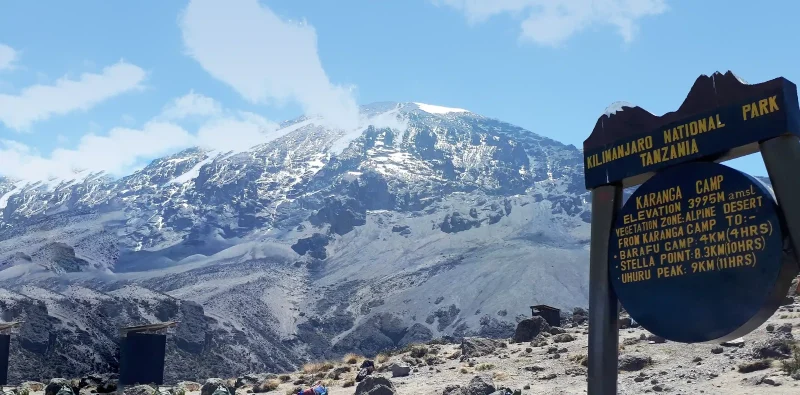
Mount Kilimanjaro Is the Tallest Free-Standing Mountain on Earth
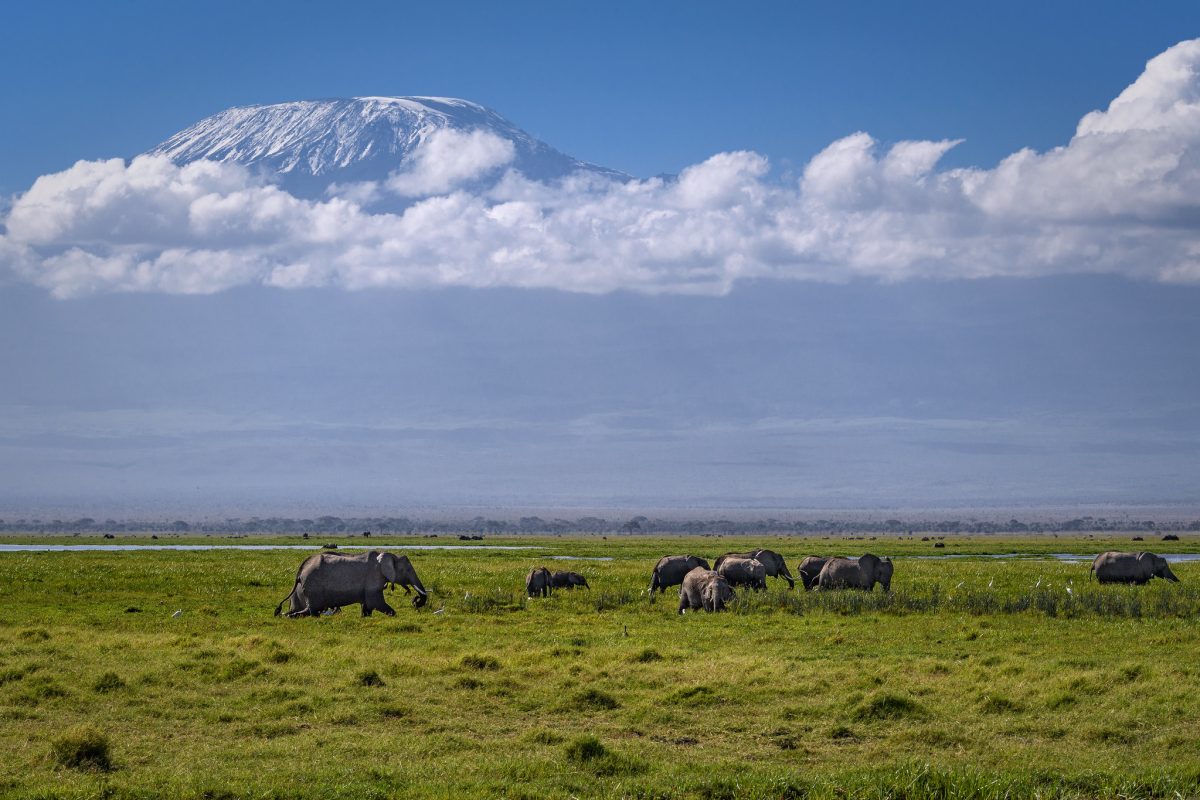
One of the most distinctive features of Mount Kilimanjaro is that it is the tallest free-standing mountain on the planet. Unlike mountain peaks that form part of extensive mountain ranges such as the Himalayas, Andes, or Rockies, Kilimanjaro rises independently from the surrounding plains.
The mountain towers approximately 5,895 meters (19,341 feet) above sea level and dominates the landscape for hundreds of kilometers. Because it stands alone, the visual impact of Kilimanjaro is extraordinary. Visitors can often see the mountain emerging dramatically from the African savannah, creating one of the most iconic natural views in the world.
This geographical characteristic gives Kilimanjaro a unique presence that few mountains can match. The sense of scale becomes especially impressive when travelers witness the mountain rising directly from relatively flat terrain rather than blending into a larger chain of peaks.
It Is One of the Few High Mountains That Requires No Technical Climbing
Another major factor that sets Kilimanjaro apart from many famous mountains is its accessibility. Reaching the summit does not require technical mountaineering skills, specialized climbing equipment, or years of climbing experience.
Many of the world’s most famous peaks demand expertise in rock climbing, ice climbing, glacier navigation, and rope work. In contrast, climbing Kilimanjaro primarily involves trekking along established trails. While the journey remains physically demanding due to altitude and endurance requirements, the absence of technical obstacles makes the mountain accessible to a much wider range of people.
This unique characteristic has allowed individuals from diverse backgrounds, age groups, and fitness levels to achieve the dream of standing on one of the world’s most celebrated summits.
 Kilimanjaro Contains Multiple Climate Zones
Perhaps no feature highlights Kilimanjaro’s uniqueness more dramatically than its extraordinary range of ecosystems. Climbers effectively travel through several different climate zones during a single ascent.
The journey often begins in lush tropical rainforests filled with towering trees, colorful birds, and abundant wildlife. As hikers gain elevation, the landscape gradually transitions into heathlands and moorlands characterized by giant groundsels and unusual vegetation.
Higher up, the environment transforms into an alpine desert where temperatures fluctuate dramatically between day and night. Near the summit, climbers enter an arctic zone featuring glaciers, ice fields, and freezing conditions.
Experiencing such a diverse range of environments within a matter of days is extremely rare and contributes significantly to Kilimanjaro’s global appeal.
The Mountain Is a Dormant Volcano
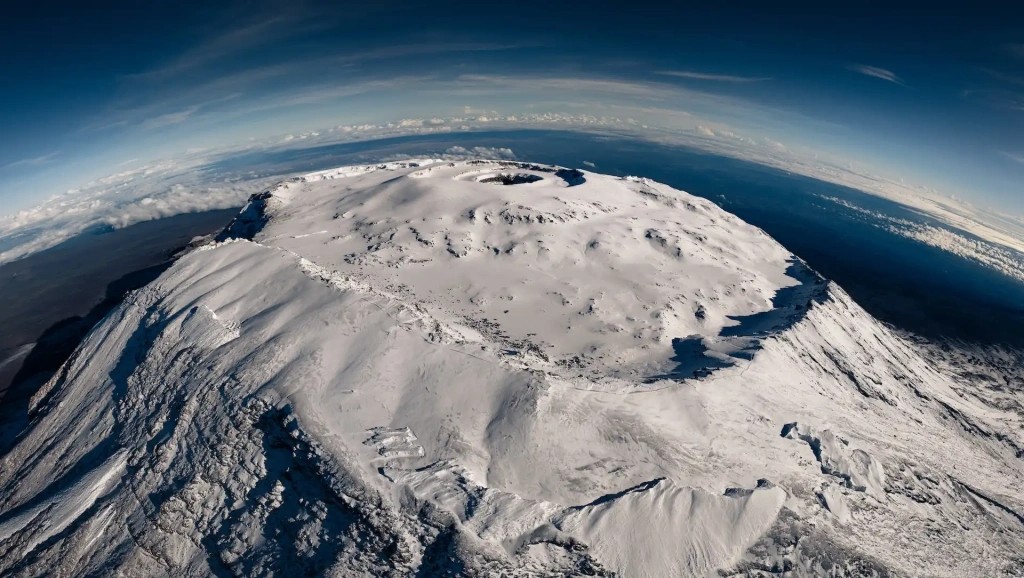
Unlike many famous mountain peaks that formed through tectonic collisions, Mount Kilimanjaro is actually a massive volcanic mountain. It consists of three volcanic cones known as Kibo, Mawenzi, and Shira.
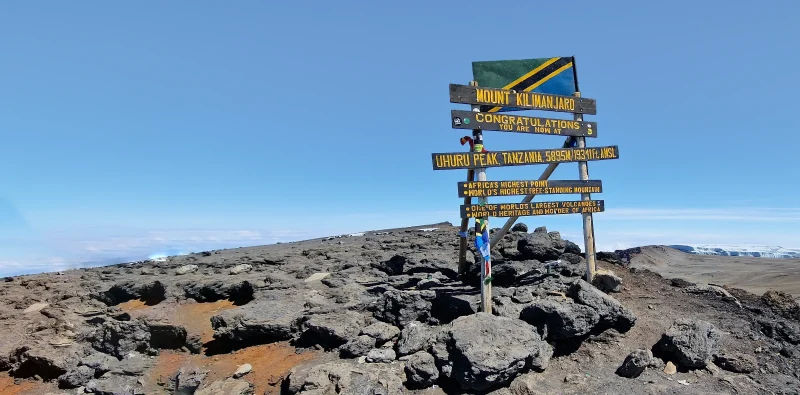
Kibo is the highest and most famous of the three cones, containing the summit point known as Uhuru Peak. Although Kilimanjaro is considered dormant rather than extinct, it has not experienced a major eruption in thousands of years.
The volcanic origins of the mountain have shaped its landscapes, soil composition, and ecological diversity. The mountain’s geological history provides visitors with a fascinating glimpse into the powerful natural forces that helped create one of Africa’s most recognizable landmarks.
Kilimanjaro Offers an Unmatched Summit Experience
Many mountains provide beautiful summit views, but Kilimanjaro offers a particularly memorable reward. Because the mountain rises independently above the surrounding landscape, climbers enjoy panoramic views that extend across vast portions of East Africa.
On clear mornings, the sunrise from the summit creates an unforgettable spectacle. As the first rays of sunlight illuminate glaciers, volcanic terrain, and distant plains, climbers witness one of the most remarkable mountain vistas on Earth.
The sense of accomplishment is amplified by the knowledge that the summit represents the highest point on the African continent. For many visitors, standing at Uhuru Peak symbolizes perseverance, determination, and personal achievement.
The Mountain Holds Great Cultural Significance
Mount Kilimanjaro is not merely a natural wonder; it is also deeply connected to the cultural heritage of Tanzania and East Africa. For centuries, local communities have regarded the mountain with respect and admiration.
Various indigenous groups developed legends and stories about Kilimanjaro long before it became a global tourism destination. Today, the mountain continues to play an important role in local identity, national pride, and economic development.
Visitors often gain a deeper appreciation of the region by learning about the traditions, customs, and historical connections that local communities maintain with the mountain.
Wildlife Encounters Add Another Unique Dimension
Although most people associate mountain climbing with rocky landscapes and snow-covered peaks, Kilimanjaro offers the opportunity to experience remarkable wildlife before and during the ascent.
The lower slopes support a rich variety of animals, including monkeys, antelope species, and numerous bird species. The surrounding national parks and conservation areas are home to elephants, buffaloes, leopards, and other iconic African wildlife.
This combination of mountain adventure and wildlife viewing creates a travel experience that is difficult to find elsewhere. Few mountains allow visitors to combine a high-altitude summit trek with a traditional African safari in the same trip.
The Mountain Is a Symbol of Adventure for Beginners
Many legendary mountains are reserved for experienced climbers, but Kilimanjaro has become a symbol of achievable adventure. It demonstrates that ordinary people can accomplish extraordinary goals through preparation, determination, and perseverance.
This accessibility has made Kilimanjaro a popular choice for charity expeditions, personal challenges, milestone celebrations, and transformational travel experiences. The mountain appeals not only to seasoned adventurers but also to individuals seeking their first major trekking achievement.
Its reputation as a mountain that welcomes beginners while still demanding respect contributes greatly to its global popularity.
Climate Change Has Made Kilimanjaro Even More Significant
Another factor distinguishing Kilimanjaro from many other mountains is the global attention focused on its shrinking glaciers. Scientists and environmental organizations frequently study the mountain because its ice fields have been steadily declining over recent decades.
These disappearing glaciers have become powerful symbols of climate change and environmental transformation. Visitors often feel a sense of urgency to witness these natural wonders while they still exist.
As a result, Kilimanjaro serves not only as a travel destination but also as a reminder of the importance of environmental conservation and sustainable tourism practices.
Conclusion
Mount Kilimanjaro stands apart from other mountains because it combines extraordinary height, accessibility, ecological diversity, volcanic origins, cultural significance, and breathtaking scenery into a single destination. Few places on Earth allow travelers to walk from tropical rainforest to arctic conditions within a matter of days while standing on the highest point of an entire continent.
Its status as the world’s tallest free-standing mountain, combined with its beginner-friendly trekking routes and unforgettable summit experience, makes Kilimanjaro one of the most distinctive mountains on the planet. Whether viewed from the African plains below or experienced firsthand during a summit expedition, Mount Kilimanjaro continues to inspire adventurers from every corner of the world and remains one of nature’s most remarkable masterpieces.