
Exciting Activities on Mount Kilimanjaro: More Than Just a Summit Adventure
Exciting Activities on Mount Kilimanjaro, When people hear the name Mount Kilimanjaro, they often think of one thing: reaching the summit. Standing at 5,895 meters (19,341 feet), Kilimanjaro is Africa’s highest mountain and one of the world’s most famous trekking destinations. Located in northern Tanzania, this majestic free-standing mountain attracts thousands of visitors each year who dream of conquering its iconic peak.
However, climbing to the summit is only one part of the Kilimanjaro experience. The mountain offers a wide range of activities that allow visitors to immerse themselves in nature, culture, wildlife, and adventure. From hiking through ancient forests to photographing breathtaking landscapes, Mount Kilimanjaro provides unforgettable experiences for travelers of all interests and fitness levels.
-
Mountain Trekking and Hiking
Trekking is the most popular activity on Mount Kilimanjaro. Unlike many high mountains that require technical climbing skills, Kilimanjaro can be climbed by hikers with determination, preparation, and a reasonable level of fitness.
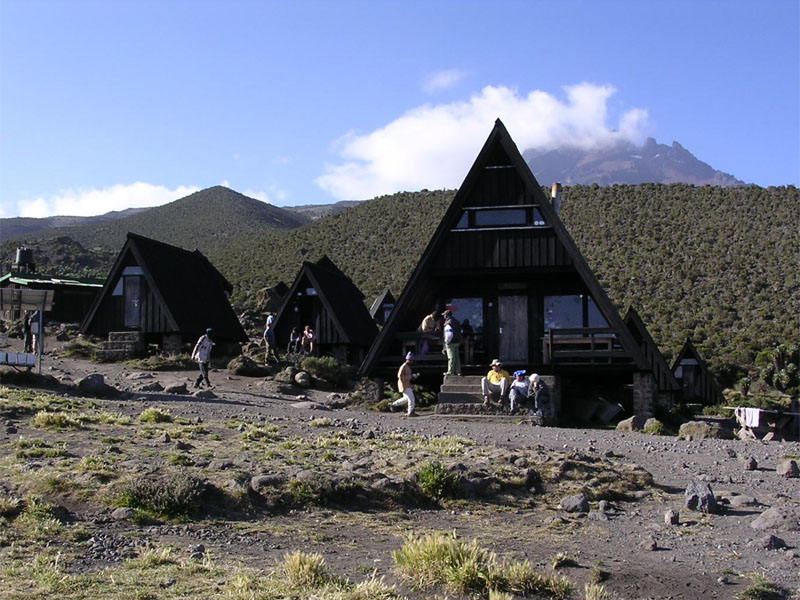
Several routes lead to the summit, including the Machame, Marangu, Lemosho, Rongai, and Northern Circuit routes. Each trail offers unique scenery and experiences. Trekkers journey through different ecological zones, witnessing dramatic changes in vegetation, climate, and terrain.
The hiking experience itself is incredibly rewarding. Every day presents new landscapes, from dense rainforests and moorlands to alpine deserts and glaciers near the summit. The sense of accomplishment gained from reaching higher elevations motivates climbers throughout their journey.
-
Wildlife Viewing
Although Kilimanjaro is best known for its mountain scenery, it is also home to diverse wildlife. The lower slopes and forest zones support numerous animal species that visitors may encounter during their trek.
Among the trees, one can frequently spot bushbucks, blue monkeys, colobus monkeys, and small antelope species. Bird enthusiasts will be delighted by the variety of colorful birds that inhabit the mountain, including sunbirds, turacos, and hornbills.
Wildlife viewing on Kilimanjaro offers a unique combination of mountain adventure and nature exploration, making the trek even more memorable.
-
Nature Photography
Mount Kilimanjaro is a paradise for photographers. The mountain’s changing landscapes provide endless opportunities to capture stunning images.
Photographers can document lush rainforests, giant groundsels, dramatic rock formations, and spectacular sunrises above the clouds. During clear weather, panoramic views stretch across northern Tanzania and neighboring Kenya.
The summit area offers particularly remarkable photography opportunities. Snow-capped glaciers, golden sunlight, and expansive mountain vistas create breathtaking scenes that attract both amateur and professional photographers from around the world.
-
Camping Under the Stars
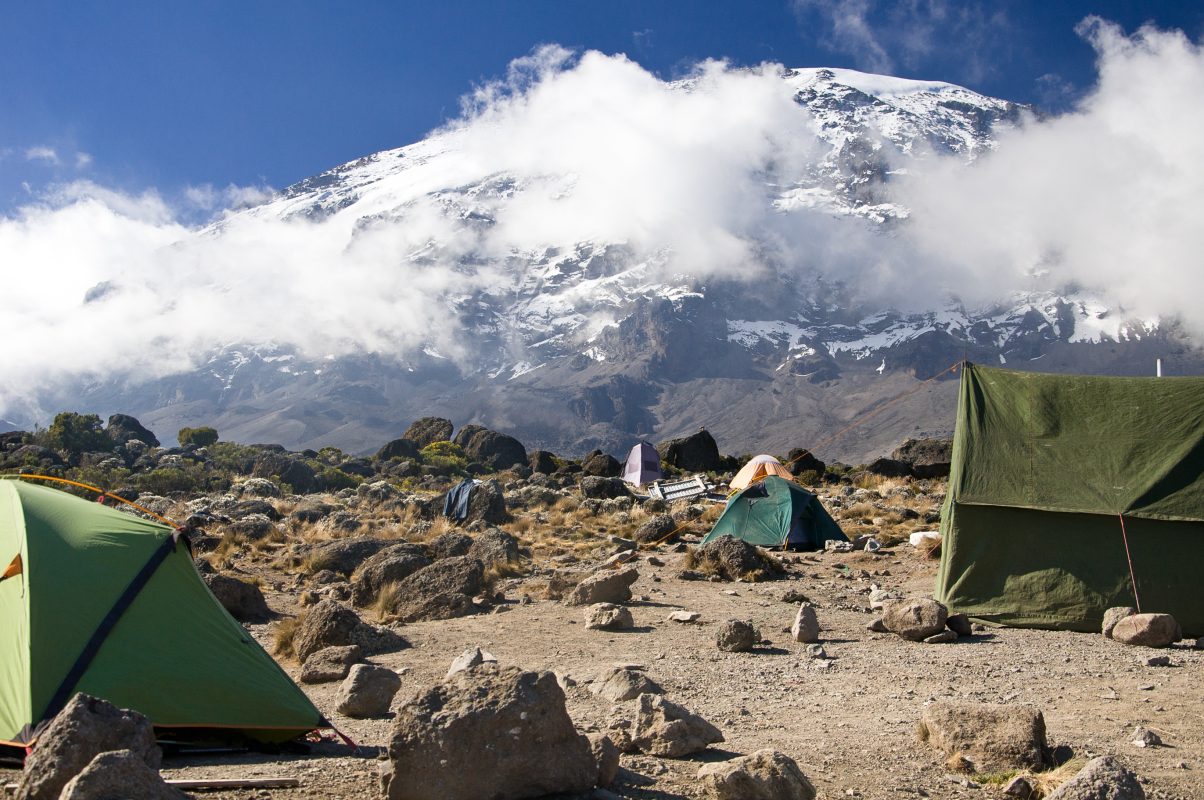
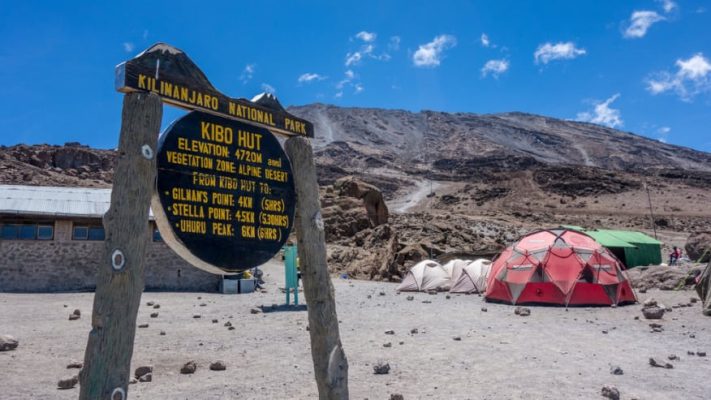
For many climbers, camping on Kilimanjaro is one of the highlights of the adventure. Most routes involve spending several nights in mountain camps surrounded by nature.
As darkness falls, trekkers can enjoy clear night skies filled with stars. Due to the mountain’s remote location and minimal light pollution, stargazing conditions are exceptional. On clear nights, the Milky Way appears vividly across the sky, creating an unforgettable experience.
Camping also allows visitors to connect with fellow adventurers and share stories around camp while preparing for the next day’s climb.
-
Birdwatching
Birdwatching is another rewarding activity on Kilimanjaro. The mountain’s varied ecosystems support hundreds of bird species, making it an attractive destination for bird lovers.
The forest zone is particularly rich in birdlife. Visitors may spot species such as Hartlaub’s turaco, African crowned eagle, white-necked raven, and several colorful sunbird species.
Birdwatching can be enjoyed throughout the trek, adding an educational and relaxing element to the overall mountain experience.
-
Cultural Experiences with Local Communities
The area surrounding Mount Kilimanjaro is home to the Chagga people, one of Tanzania’s most prominent ethnic groups. Visitors often combine their mountain adventure with cultural activities in nearby villages.
Guided cultural tours allow travelers to learn about traditional farming methods, local customs, food preparation, and community life. Many visitors explore coffee farms where they can observe the coffee-making process from bean cultivation to roasting and tasting.
These cultural experiences provide valuable insight into the heritage and traditions of the communities that have lived on the mountain’s slopes for generations.
-
Sunrise and Sunset Viewing
Observing the dawn or sunset from high altitudes is one of the most breathtaking experiences on Kilimanjaro. The mountain’s altitude offers spectacular viewing opportunities that few places on Earth can match.
Summit climbers often begin their final ascent before midnight and reach the top at sunrise. Watching the first rays of sunlight illuminate the glaciers and surrounding landscapes is an emotional and unforgettable moment. Sunsets are equally impressive. As the sun disappears behind distant horizons, the sky transforms into brilliant shades of orange, pink, and purple, creating breathtaking scenery.
-
Exploring Kilimanjaro’s Ecological Zones
One of the unique features of Kilimanjaro is its diverse ecological zones. During a single trek, visitors pass through several distinct environments.
The journey begins in tropical rainforest, characterized by dense vegetation and abundant wildlife. Higher elevations feature heath and moorland zones with unusual plants such as giant lobelias and groundsels. Beyond these areas lies the alpine desert, where conditions become drier and harsher. Near the summit, the landscape transforms into an arctic-like environment with glaciers and rocky terrain. Exploring these ecosystems offers a fascinating lesson in geography, ecology, and climate.
-
Fitness and Personal Achievement
For many travelers, climbing Kilimanjaro is a personal challenge rather than simply a vacation activity. The mountain provides an opportunity to test physical endurance, mental strength, and determination.
Completing a multi-day trek at high altitude requires perseverance and commitment. Many climbers describe the experience as life-changing, helping them build confidence and resilience. Whether reaching the summit or achieving a personal hiking goal, Kilimanjaro offers a powerful sense of accomplishment that remains with visitors long after they leave the mountain..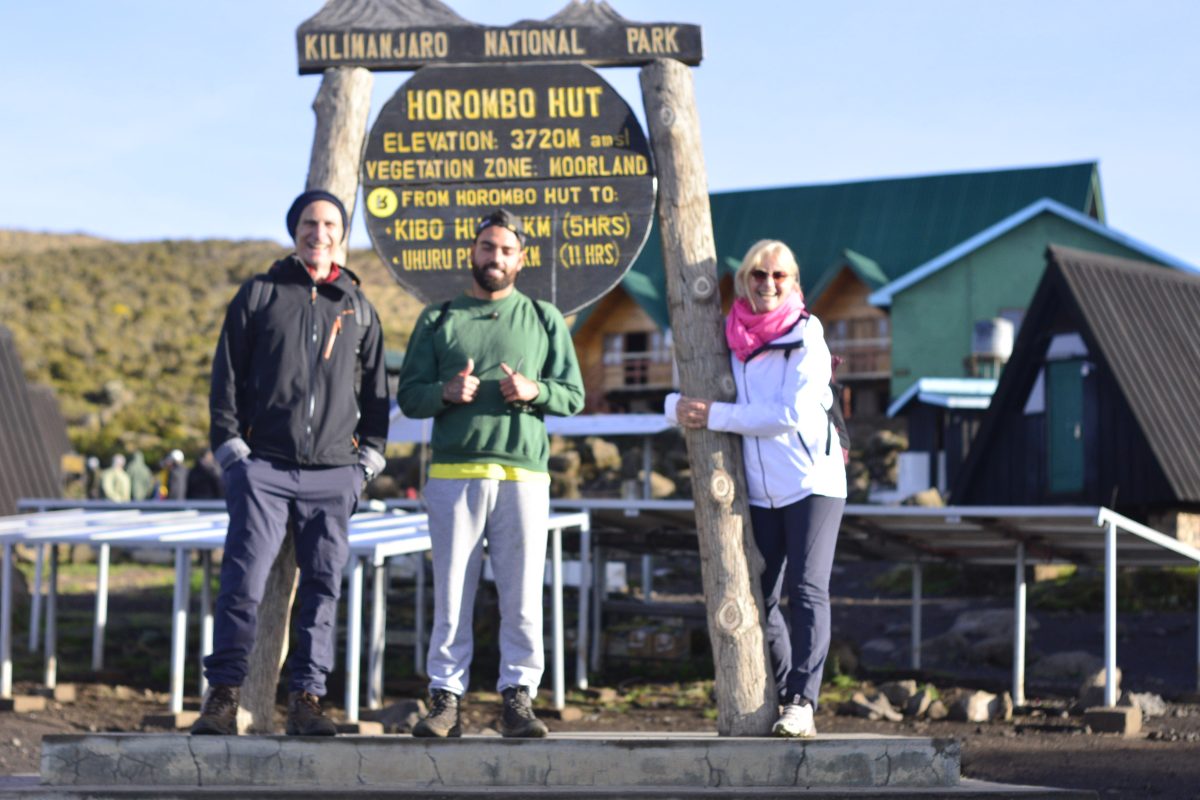
-
Supporting Sustainable Tourism
An often-overlooked activity associated with Kilimanjaro is participating in responsible and sustainable tourism. Visitors contribute to local economies by hiring guides, porters, cooks, and support staff.
The mountain trekking industry creates employment opportunities for thousands of Tanzanians. By choosing ethical tour operators and respecting environmental guidelines, travelers help preserve Kilimanjaro’s natural beauty for future generations. Many visitors find satisfaction in knowing their adventure supports local communities while promoting conservation efforts.
Conclusion
Mount Kilimanjaro is much more than a destination for summit seekers. It is a place where adventure, nature, culture, and personal growth come together to create unforgettable experiences. From trekking through diverse landscapes and observing wildlife to enjoying cultural encounters and breathtaking photography opportunities, the mountain offers activities for every type of traveler.
Whether your goal is to stand on Africa’s highest peak, explore unique ecosystems, capture stunning photographs, or learn about local traditions, Mount Kilimanjaro promises an extraordinary journey. Every step on this iconic mountain reveals new discoveries, making it one of the world’s most rewarding adventure destinations.