The Unsung Heroes of Mount Kilimanjaro: Inside the Work of Kilimanjaro’s Rescue Teams
The Unsung Heroes of Mount Kilimanjaro, Mount Kilimanjaro, Africa’s highest peak, stands proudly at 5,895 meters (19,341 feet) above sea level. Located in northeastern Tanzania, this iconic mountain attracts tens of thousands of climbers every year from around the world. Drawn by the dream of standing on the “Roof of Africa,” adventurers embark on a journey through lush rainforests, alpine deserts, and icy summit landscapes.
While many climbers successfully reach the summit and return safely, not every expedition goes according to plan. Altitude sickness, exhaustion, injuries, and unpredictable weather can quickly transform an exciting adventure into a dangerous situation. Behind every successful rescue on Kilimanjaro is a dedicated team of professionals whose courage and commitment often go unnoticed. These are the mountain rescue teams—the unsung heroes who save lives on one of the world’s most famous mountains.
The Challenges of Climbing Kilimanjaro
Unlike technical mountains that require ropes and climbing equipment, Kilimanjaro is considered a trekking peak. This classification sometimes creates a false sense of security among climbers. Many underestimate the effects of high altitude and the physical demands of the ascent.
The greatest threat on Kilimanjaro is acute mountain sickness (AMS), which occurs when the body struggles to adapt to reduced oxygen levels at high elevations. Symptoms may include headaches, nausea, dizziness, and fatigue. In severe cases, climbers can develop life-threatening conditions such as High Altitude Pulmonary Edema (HAPE) or High Altitude Cerebral Edema (HACE).
Apart from altitude-related illnesses, climbers may suffer from falls, dehydration, hypothermia, or existing medical conditions that become worse during the trek. When these emergencies occur, rescue teams must respond quickly, often under difficult conditions.
 Who Makes Up the Rescue Teams?
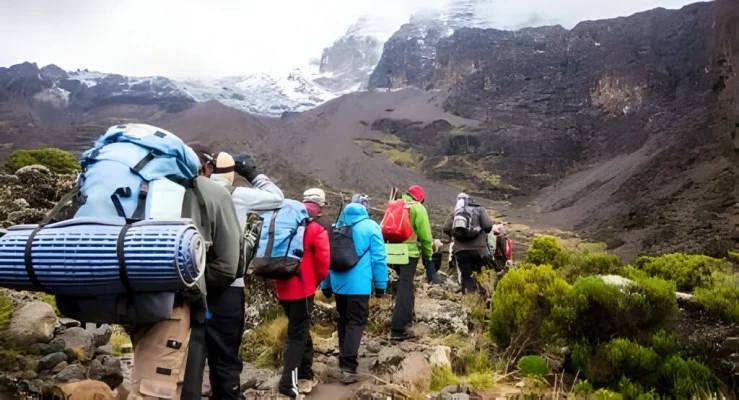
Kilimanjaro’s rescue system is a coordinated effort involving park authorities, guides, porters, medical personnel, and specialized rescue workers. The Tanzania National Parks Authority (TANAPA) oversees safety operations within the mountain park and works closely with licensed tour operators.
Mountain guides are usually the first responders during emergencies. They are trained to recognize symptoms of altitude sickness and assess a climber’s condition. When a situation becomes serious, they alert rescue personnel stationed at various points on the mountain.
Rescue teams often consist of highly experienced mountain staff who understand Kilimanjaro’s terrain, weather patterns, and logistical challenges. Their knowledge allows them to navigate difficult trails and transport injured climbers safely down the mountain.
The Role of the Mountain Stretcher
One of the most remarkable rescue tools on Kilimanjaro is the mountain stretcher. Designed specifically for rough terrain, this specialized device allows rescue teams to transport injured or severely ill climbers down steep trails.
Operating a mountain stretcher is physically demanding. Several rescuers work together to maneuver it across rocky paths, muddy sections, and uneven ground. Depending on the location of the emergency, the descent can take several hours or even an entire day.
Rescue workers often carry out these operations in cold temperatures, strong winds, and low-oxygen conditions. Their determination and teamwork are critical to ensuring that patients reach lower altitudes where medical treatment is available.
The Introduction of Rescue Vehicles
In recent years, improvements in rescue technology have enhanced safety on Kilimanjaro. Specialized evacuation vehicles, sometimes referred to as mountain ambulances, have been introduced on selected routes.
These vehicles can transport climbers more quickly than traditional stretcher rescues in certain areas of the mountain. While they cannot access every section of Kilimanjaro due to terrain limitations, they have significantly improved response times where road access exists.
The combination of trained personnel, communication systems, stretchers, and evacuation vehicles has strengthened the mountain’s emergency response capabilities and increased survival rates for climbers facing serious medical emergencies.
Training and Preparation
Rescue work on Kilimanjaro requires extensive preparation. Team members undergo training in wilderness first aid, emergency response procedures, altitude illness recognition, and patient evacuation techniques.
Physical fitness is equally important. Rescuers must be capable of carrying equipment and assisting patients while operating at high elevations where oxygen levels are significantly lower than at sea level.
Regular drills help rescue teams maintain readiness. By practicing different emergency scenarios, they can respond more effectively when real incidents occur. This preparation can make the difference between life and death in critical situations.
Stories of Courage and Dedication
Many rescue operations on Kilimanjaro demonstrate extraordinary acts of courage. Rescuers frequently work through the night, battling freezing temperatures and exhaustion to reach climbers in distress.
Some incidents involve hikers who collapse near the summit after developing severe altitude sickness. Others involve injuries sustained on rocky trails or sudden medical emergencies. In each case, rescue teams prioritize the safety of the affected climber and work tirelessly to bring them to safety.
Their efforts often go unrecognized by the public. While summit photos and success stories dominate social media, the dedication of rescue personnel remains largely behind the scenes. Yet countless climbers owe their lives to these professionals.
Why Prevention Remains Essential
Although rescue teams provide an invaluable safety net, prevention remains the best strategy for avoiding emergencies on Kilimanjaro. Climbers can reduce their risk by choosing longer routes that allow proper acclimatization, maintaining hydration, and listening to their guides.
Honesty is also important. Some climbers ignore symptoms because they are determined to reach the summit. However, early reporting of discomfort can prevent a minor issue from becoming a life-threatening emergency.
Tour operators play a crucial role by conducting health checks, monitoring climbers throughout the trek, and ensuring guides receive proper training. Responsible trekking practices reduce the number of rescue incidents and improve overall safety on the mountain.

The Human Side of Rescue Work
Beyond their technical skills, rescue team members demonstrate remarkable compassion. They often comfort frightened climbers, provide reassurance during difficult descents, and offer emotional support to families concerned about their loved ones. For many rescuers, the job is more than employment—it is a mission to protect lives and preserve Kilimanjaro’s reputation as a safe adventure destination. Their work reflects a deep sense of responsibility toward every visitor who sets foot on the mountain.
Conclusion
Mount Kilimanjaro represents adventure, achievement, and personal transformation for climbers from around the globe. Yet behind every successful expedition is a network of dedicated professionals committed to keeping trekkers safe.
The mountain’s rescue teams face demanding conditions, long hours, and significant risks in their efforts to assist those in need. Whether carrying an injured climber on a stretcher, responding to altitude emergencies, or coordinating complex evacuations, these individuals perform a vital role that deserves recognition.
As thousands continue to pursue their dream of reaching Africa’s highest summit, the bravery and dedication of Kilimanjaro’s rescue teams remain a powerful reminder that true heroism often happens far from the spotlight. Their commitment ensures that when challenges arise on the mountain, help is never too far away.